
How does fully managed IT support handle software licensing?
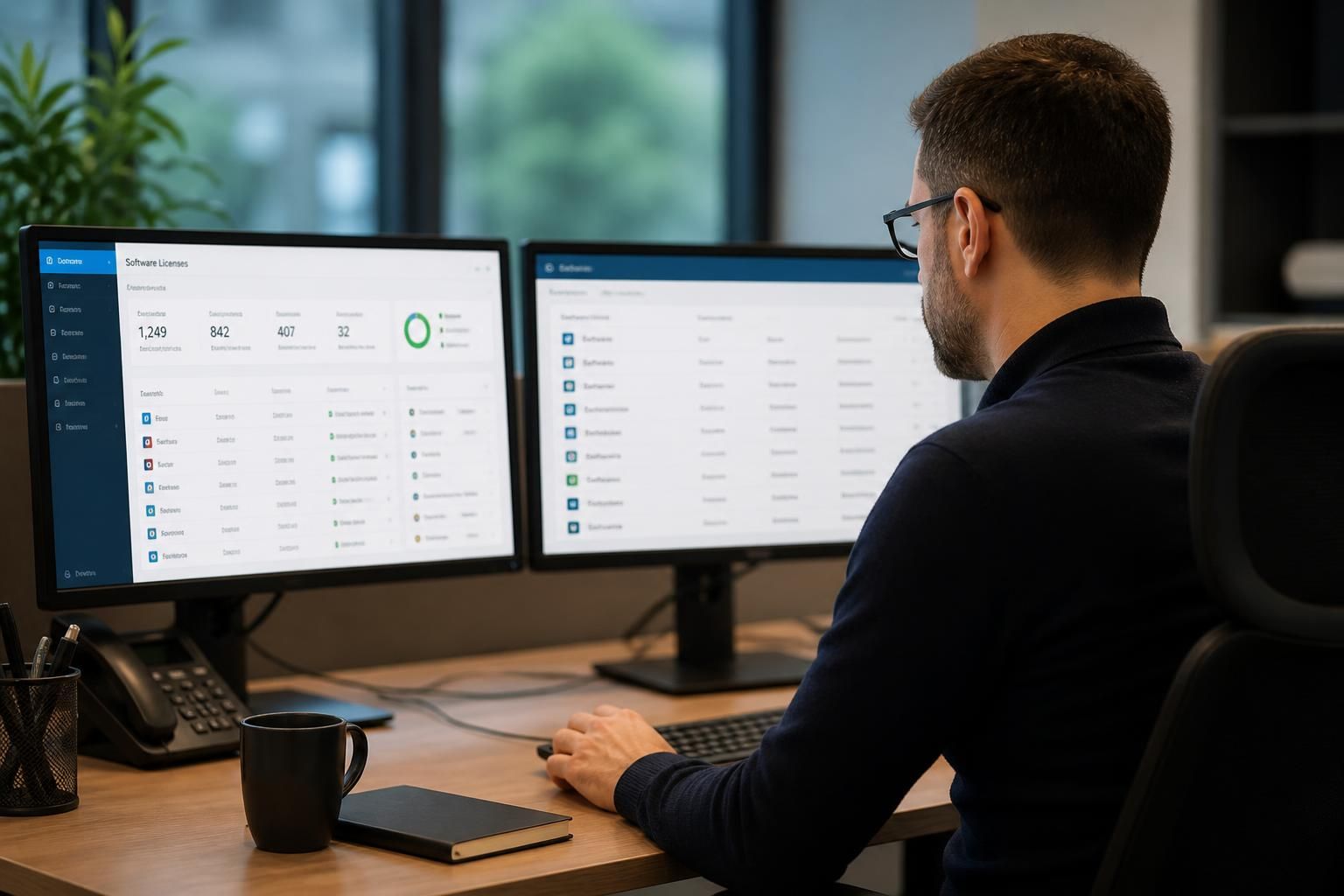
Fully managed IT support handles software licensing by maintaining an accurate record of subscriptions and licences, assigning them to authorised users or devices, and monitoring renewals. This centralised approach helps control access, avoid unnecessary licences and support compliance with the software agreements your business accepts.
Fully managed IT support handles software licensing as an ongoing governance process, not simply as a purchasing task. It connects software requirements with contractual terms, technical usage, procurement approvals and business changes, so that each application is acquired and used on a clearly understood basis.
The process typically starts by examining how the organisation uses software and which licensing model applies. Common models include per-user, per-device, concurrent-user, subscription, perpetual and usage-based licensing. The correct model can depend on factors such as the number of people accessing an application, shared devices, remote access, virtual machines, terminal services and separate test or disaster recovery environments. A managed IT provider can assess these conditions before recommending a licensing approach.
Licence terms are not interchangeable. Two products with similar functions may define an authorised user, device or installation differently, while some agreements impose restrictions on transferring rights, running software in virtual environments or using older and newer versions together. Licensing management therefore includes reviewing the relevant agreement, order documents and product terms rather than relying only on the number of installations visible on a network.
- Subscription software: the organisation pays for continued access under a defined term, with usage and service conditions set by the supplier.
- Perpetual licences: the organisation may have continuing rights to a particular version, but upgrades, support and additional features may be covered by separate terms.
- Concurrent or shared access: the number of people who may use the software at one time can be more important than the total number of named users.
- Usage-based services: charges or permissions may depend on storage, transactions, processing, devices or another measured activity.
Fully managed support can also bring structure to software procurement. Rather than allowing departments to buy applications independently, requests can be assessed against business requirements, existing tools, security standards and contractual restrictions. This helps identify whether an existing product already provides the required function, whether a different edition is appropriate, and whether the proposed application can be supported within the organisation’s technical environment.
Commercial control is another important part of the process. Licensing information can be linked to purchase orders, invoices, contract terms and internal approval records. This gives the business a clearer basis for checking what it has paid for, which department owns the requirement and whether a proposed change represents a new purchase, an upgrade or an alteration to an existing agreement. It also makes software-related expenditure easier to review during budgeting and supplier discussions.
A managed service should distinguish between technical installation and legal entitlement. Removing an application from a device does not necessarily cancel a subscription, and purchasing a licence does not automatically make every form of deployment permissible. The provider should therefore use both technical information and commercial documentation when assessing the organisation’s position.
Licensing reviews are particularly important when the IT environment changes. Mergers, office moves, cloud migrations, virtual desktop deployments, new sites and changes to working practices can all alter how software is counted. A licence that was suitable for individually managed computers may have different implications when the same application is delivered through a shared platform or accessed by several locations.
Software audits are handled more effectively when evidence is maintained throughout the licence lifecycle. Useful records may include agreements, purchase confirmations, renewal or cancellation instructions, permitted versions, deployment details, usage reports and decisions made during previous reviews. The aim is not merely to produce a spreadsheet; it is to create an auditable explanation of why the organisation is entitled to use the software in its current way.
Fully managed IT support can also establish practical controls around software changes. These may include an approval route for new applications, a review of licensing implications before technical deployment, restrictions on unapproved installations and periodic checks of software that is no longer required. Controls should be proportionate to the organisation’s size and risk, with stricter scrutiny for critical, expensive or heavily regulated applications.
Responsibility should be agreed clearly between the business, the IT provider and the software supplier. The business remains responsible for approving requirements and accepting contractual commitments. The managed IT provider can provide technical assessment, maintain supporting records and advise on deployment implications, while the supplier defines the licence terms. Where an agreement is unclear, the terms should be confirmed with the supplier or an appropriately qualified legal adviser rather than assumed.
In practice, effective software licensing management combines technical visibility, commercial discipline and documented decision-making. It helps the organisation understand what it is entitled to use, why that entitlement is appropriate and what must be reviewed when people, applications, suppliers or infrastructure change.

Fully managed IT support can also help prepare the business for a software supplier’s audit request. This involves checking the agreement for audit rights, notice requirements, permitted evidence and any costs associated with the review before information is released. The provider can then coordinate the technical evidence with the relevant business owner, while contractual or legal interpretation is confirmed with the supplier or an appropriately qualified adviser.
Audit preparation should also protect confidential business and personal information. Usage reports may contain usernames, device details or operational data, so the organisation should provide only the information required to demonstrate its licensing position, using an agreed transfer method and retaining a record of what was supplied. This creates a controlled process for responding to audits without treating unrestricted access to internal systems as a licensing requirement.
Review your software licensing requirements
Review your software licensing requirements with S2 Technology Group to identify any gaps in documentation, entitlement or renewal planning. This provides a structured basis for deciding what should be retained, changed or discussed with the software supplier.