

Managed Network Services
Managed network services provide network monitoring, configuration and security oversight to help businesses maintain controlled connectivity. S2 Technology Group supports managed LAN and WAN environments, network infrastructure administration and remote network management for organisations around Stourbridge and neighbouring areas.
Business Outcomes of Managed Network Services
The practical value of managed network services lies in how they improve the operation of connected systems. The outcomes below show what structured oversight can deliver for users, administrators and decision-makers across day-to-day business activity.
More Consistent Connectivity
Structured management of LAN and WAN environments helps maintain dependable connections between users, sites and essential business systems, reducing disruption caused by unmanaged network changes.
Improved Network Security
Security oversight helps identify weaknesses in network configurations and supports the controlled application of access and protection measures across connected infrastructure.
Faster Identification of Issues
Ongoing network monitoring provides visibility into performance and connectivity conditions, making it easier to identify faults, unusual activity and developing capacity concerns.
Controlled Network Changes
Centralised configuration and administration create a more consistent approach to network changes, reducing the risk of undocumented settings or conflicting adjustments.
Better Support for Remote Access
Managed network infrastructure can provide a more controlled foundation for remote access, helping authorised users connect to business resources without relying on ad hoc arrangements.
Scalable Technology Infrastructure
Planned network administration supports infrastructure upgrades and future expansion, helping growing organisations adapt connectivity as their users, sites and systems change.
The People Behind Your Network
Managed network services are an ongoing approach to keeping an organisation’s connectivity organised, documented and aligned with how people work. The technical task matters, but so does understanding which systems are business-critical, how users access them and where changes could create disruption.
S2 Technology Group takes time to understand that context before recommending adjustments. Conversations with staff and decision-makers help connect network decisions with practical requirements, whether that means supporting office users, linking sites or enabling secure access to shared resources.
Clear records and straightforward explanations make network management easier to review over time. S2 provides informed guidance on infrastructure choices, risks and priorities, giving businesses a clearer basis for planning improvements rather than treating the network as an isolated technical concern.
Specialist Expertise in Managed Network Services
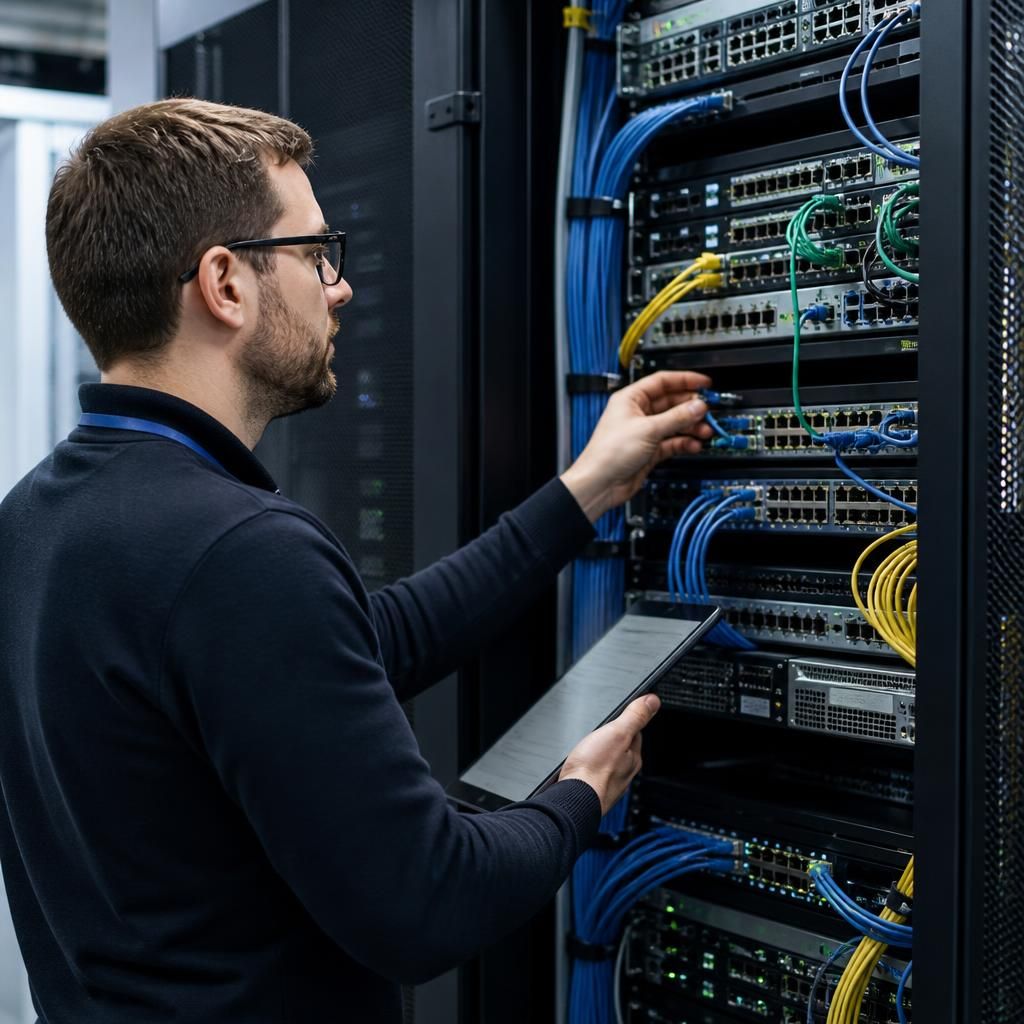
Managed network services are the structured administration of an organisation’s switching, routing, wireless, firewall and related network infrastructure. They combine configuration control, performance review, security checks and technical documentation so that network decisions are based on the condition and role of each component.
S2 Technology Group applies specialist network management practices across connected business environments, including managed LAN, wireless LAN and WAN arrangements. Its work considers addressing, access controls, connectivity between locations, equipment configuration and dependencies between network services, helping identify technical risks before infrastructure changes are planned.
This depth is particularly relevant where network faults or unsuitable configurations could affect users, servers, cloud applications or site-to-site communication. S2’s managed network services provide a defined technical framework for reviewing infrastructure, prioritising remedial work and supporting informed decisions about future network operations and investment.
Questions to Ask Before Choosing Managed Network Services
Who owns network decisions under a managed network services agreement?
Compare providers by scope, not labels: confirm included devices, sites, responsibilities, change control, reporting, security boundaries and escalation arrangements, then assess whether services match your operational requirements and priorities.
What should managed network services pricing include?
A sound quote should separate recurring management fees from setup, project and hardware costs, identify licensing assumptions, state monitoring and reporting inclusions, and explain charges for additional changes or sites.
What network documentation should a managed service maintain?
Documentation should record network diagrams, device roles, configurations, dependencies, addressing, access permissions, warranties and change history, with ownership and review dates. This supports effective troubleshooting, audits and controlled future alterations.
How are network changes tested before they affect business users?
Effective network changes should follow a documented process: assess business impact, test configuration in a controlled setting, schedule implementation, verify service operation, and retain rollback steps if unexpected behaviour occurs afterwards.
Which network security responsibilities remain with our business?
Define who manages firewall rules, access policies, endpoint security, user permissions, incident reporting and compliance evidence. Confirm business duties, approval points and escalation routes through documented agreements before implementation begins.
Connected Expertise
S2 Technology Group combines network expertise with business context, so infrastructure decisions reflect operational priorities rather than isolated technical preferences.
Businesses Supported by S2 Technology Group
Professional Services Offices
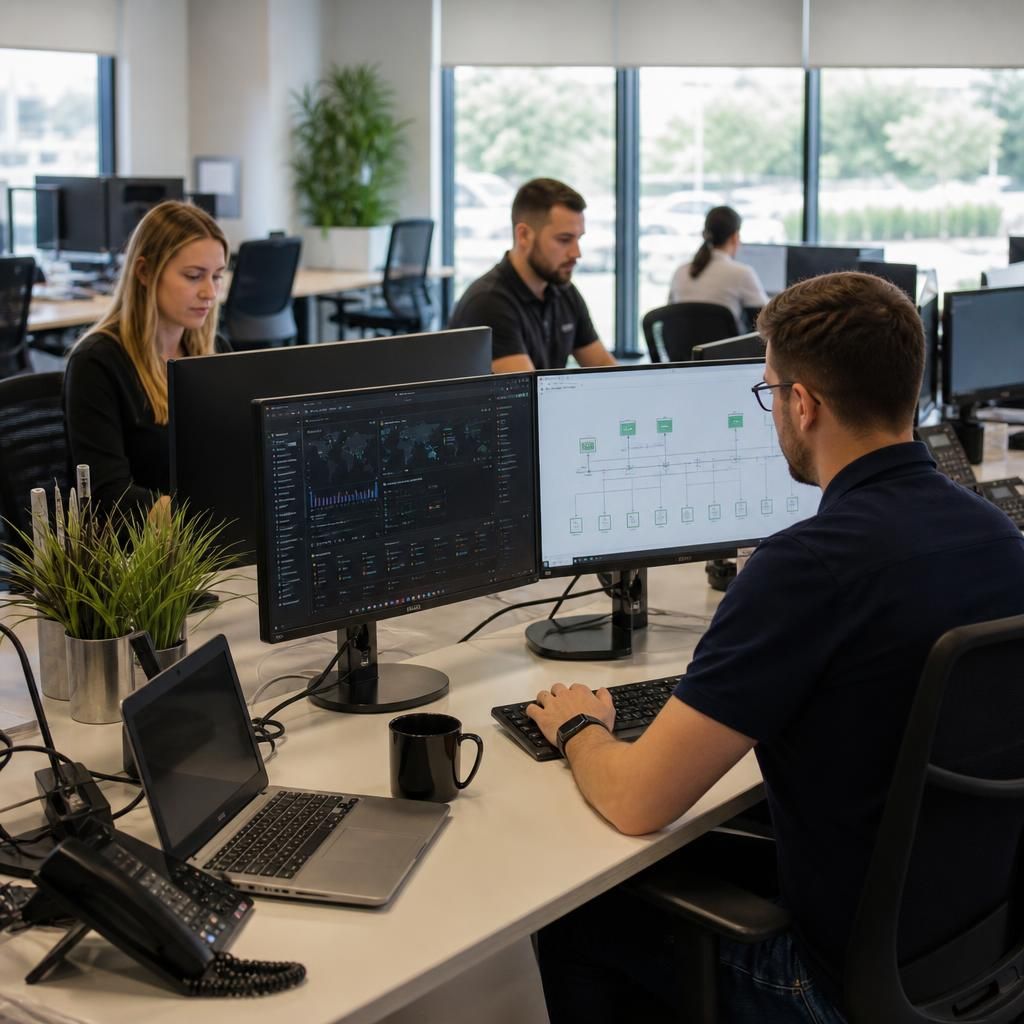
Professional services organisations depend on consistent access to cloud platforms, shared files, communication tools and internal applications. Managed network services help maintain a structured office network, document connected equipment and review configuration changes as requirements develop.

Manufacturing Environments
Manufacturing businesses often combine office systems with operational technology and site-wide connectivity. Network management provides a basis for reviewing how devices, users and locations connect, helping technical decisions reflect the separation and access requirements of the working environment.

Logistics Operations
Logistics organisations rely on dependable connectivity for coordination, administration and access to operational systems. A managed network approach supports clearer oversight of office, warehouse and remote connections, with documented infrastructure that can be assessed when systems or sites change.

Multi-Site Businesses
Businesses with more than one location need network links that support communication while keeping access appropriately structured. Managed network services bring local and site-to-site connectivity into a wider view, making it easier to identify dependencies, review network security controls and plan infrastructure changes.
Network Services for Different Business Needs
Different network environments call for different management priorities. Some businesses focus on access control and device segmentation, while others need clearer oversight of configuration changes, capacity use or connections between on-premises systems and cloud platforms.
Growing Office Networks
As an organisation adds users, devices or office space, informal network arrangements can become difficult to manage. Managed network services provide a structured approach to reviewing connectivity, administration and future requirements.
Multi-Site Connectivity
Businesses operating across multiple premises need consistent network policies and clear oversight of how locations connect. Managed support can help coordinate the infrastructure that links offices, warehouses or other sites.
Security-Focused Networks
Where network security is a priority, ongoing management can support the review of configurations, connected devices and access controls. This helps identify areas that require attention as the business changes.
Cloud-Connected Operations
Organisations that depend on cloud applications need dependable connectivity between users, local infrastructure and online services. Network management helps keep those connections understood and aligned with operational needs.
Planned Infrastructure Changes
Network upgrades, equipment replacements and office moves can affect users and connected systems. A managed approach helps businesses assess dependencies, document the existing environment and plan changes in a controlled way.
Limited In-House Network Expertise
Small and medium-sized businesses may not have a dedicated network specialist to assess configuration, performance and infrastructure decisions. Managed network services provide access to informed technical oversight without treating the network as an isolated responsibility.
Managed Network Services: Frequently Asked Questions
What does managed network monitoring cover?
Managed network services combine oversight of routers, switches, wireless access points, firewalls and connections with maintenance, documentation and performance review, helping organisations keep infrastructure controlled and usable.
What types of businesses need managed network services?
Businesses with multiple users, sites, cloud connections or compliance needs can benefit. This includes professional services, manufacturers, logistics operators and growing organisations requiring structured, secure network administration without dedicated internal specialists.
How do managed network services support network capacity planning?
It supports capacity planning by reviewing traffic patterns, connected devices, application demands and site growth, helping organisations identify constraints, assess upgrade requirements and align network resources with anticipated future workloads.
How are network faults handled by managed network services?
When a network fault occurs, managed services use documented escalation, fault isolation and root-cause analysis to distinguish equipment, configuration, connectivity and access issues, then record corrective actions for future reference.
How are managed network services introduced into an existing network?
Implementation begins with an inventory of devices, connections and dependencies, followed by access review, documentation checks and carefully prioritised changes. Testing then confirms configurations operate correctly without unnecessary operational disruption.
Discuss Your Network Requirements
Discuss your network requirements with S2 Technology Group to identify suitable monitoring, management and security priorities. You’ll receive practical guidance on the next steps for maintaining infrastructure that supports your organisation’s users, sites and critical systems.