
Identity & Access Security
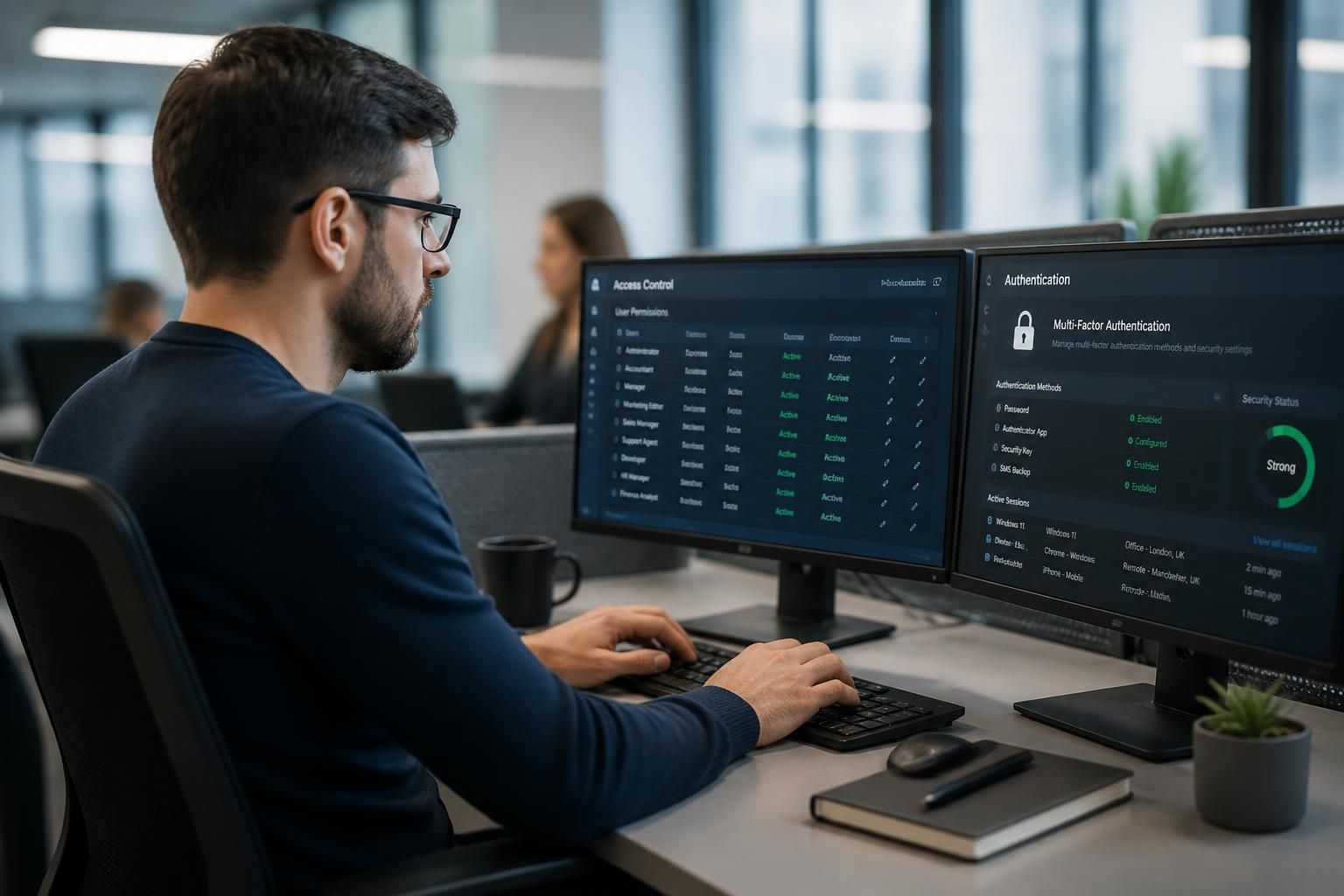
Identity and access security controls who can use business systems, what they can reach and which actions they can perform. S2 Technology Group helps organisations protect client data through managed identities, stronger authentication, access policies and ongoing review of permissions.
What Effective Identity and Access Security Delivers
Effective identity and access security produces practical benefits beyond login protection. It helps organisations apply consistent governance, limit exposure from unnecessary privileges, support compliance responsibilities and maintain clearer oversight of how people, devices and services interact with business information.
Reduced exposure from excessive permissions
Role-based access and least-privilege controls give users only the access required for their responsibilities. Limiting unnecessary permissions reduces the potential impact of compromised accounts and accidental misuse.
More controlled staff access changes
Structured joiner, mover and leaver processes help ensure access is granted, adjusted or removed when a person’s role changes. This reduces the risk of former staff or transferred employees retaining access they no longer need.
Stronger protection for user accounts
Multi-factor authentication adds an additional verification step beyond a password. Combined with suitable access policies, it makes stolen or reused credentials less useful to attackers.
Clearer access governance
Documented roles, approval processes and regular permission reviews make it easier to understand who can access particular systems and why. This supports consistent decisions across business applications and shared resources.
Better visibility for investigations
Identity records and access logs provide useful evidence about sign-ins, permission changes and activity involving protected systems. Reviewing this information can help identify unusual behaviour and support investigation of security events.
Safer access for devices and services
Identity controls can apply to more than individual users, including devices, applications and automated services. Managing these identities helps prevent unmanaged connections and supports more deliberate access to business information.

The People Behind Your Access Security
Identity and access security matches each person, device and service to the systems and information they genuinely need. It also covers how accounts are created, changed and removed, how exceptions are recorded, and who is responsible for each decision.
Good security depends on accurate context as well as technical controls. We work with clients to understand roles, working practices and sensitive information, then shape access arrangements that are practical to administer. This helps avoid excessive access and awkward workarounds.
People remain central when circumstances change. Joiners, role changes, contractors and leavers need a clear, documented path, while dormant accounts or unusual activity warrant investigation. S2 Technology Group explains recommendations plainly, helping staff understand their part in protecting business information.
Specialist Expertise in Identity and Access Security
Identity and access security is the discipline of verifying identities and enforcing appropriate permissions across applications, networks, cloud platforms and business data. It combines identity and access management (IAM), least-privilege policies, privileged access management (PAM) and audit controls to reduce the risk of unauthorised use.
Effective controls distinguish standard user access from administrative and service privileges, where compromise could have a wider impact. S2 Technology Group considers how permissions are granted, elevated, monitored and reviewed, while aligning access decisions with data sensitivity, operational responsibilities and zero trust network security principles.
Sound identity governance also depends on technical consistency and usable documentation. S2 Technology Group helps organisations rationalise access rules, identify control gaps and maintain evidence for internal governance or data protection responsibilities. This structured approach supports clearer oversight of client data protection and more defensible security decisions as systems develop.
Questions to Ask About Identity and Access Security
How should third-party access be governed in identity security?
Assess whether access reviews cover every application, administrator, service account and remote connection, with documented ownership, evidence of decisions, timely remediation and clear handling of exceptions throughout the business environment.
What evidence shows identity security controls are working?
Useful evidence includes dated authentication logs, alerts investigated, privileged activity records, account lifecycle tickets, policy exceptions and audit findings. Correlating these sources with owner confirmations reveals whether controls operate consistently.
Can identity security enforce separation of duties across sensitive systems?
Yes—identity security can enforce separation of duties by assigning incompatible responsibilities to different roles, requiring independent approval for sensitive actions, and recording exceptions for governance and audit review purposes.
How is emergency privileged access controlled in identity security?
Emergency privileged access uses pre-approved break-glass accounts with limited permissions, strong authentication and tamper-resistant logging. Credentials should be protected separately; use should trigger alerts, and access revoked after incident resolution.
How are authentication methods chosen for different user risks?
Authentication methods should reflect account sensitivity, user context and threat exposure: phishing-resistant multifactor authentication suits administrators, while risk-based controls may balance usability for lower-risk users accessing managed business devices.
Access Clarity
S2 Technology Group combines identity governance with business context, creating accountable access controls as people, systems and responsibilities continually change.
Identity Security for Organisations Like Yours

Professional Services Access Controls
Professional services organisations often manage confidential client information across shared platforms, case systems and financial applications. Identity security helps separate responsibilities, apply appropriate permissions and maintain a clear record of access decisions as employees join, change roles or leave.

Manufacturing Identity Management
Manufacturing environments may combine office applications with operational technology and shared workstations. Structured identity management helps distinguish user roles, limit access to relevant systems and support controlled administration without relying on informal shared credentials.

Logistics Account Governance
Logistics organisations can involve office staff, warehouse teams, drivers, suppliers and temporary workers. Clear account ownership and permission rules help ensure each user receives suitable access to scheduling, stock, delivery and customer information while reducing dormant or unnecessary accounts.

Multi-Site Access Security
Multi-site businesses need access arrangements that remain consistent across offices, remote users and central systems. Documented policies, stronger authentication and regular permission reviews provide a practical framework for managing differences between locations while retaining oversight of sensitive information.
Access Security for Different Business Needs
Identity and access security applies wherever people, devices or services connect to business resources. It can support secure remote access, protect administrative functions, control third-party permissions and provide evidence for governance, without imposing the same access model on every system.
Growing Teams
As an organisation recruits or restructures, access needs to reflect each person’s responsibilities. Role-based permissions help staff reach the applications and information required for their work without granting broader access by default.
Sensitive Information
Financial records, client data and operational systems may require different levels of protection. Access controls can separate sensitive resources, apply stronger authentication where appropriate and provide a clearer record of who is permitted to use them.
Privileged Accounts
Administrator accounts can change configurations, create users and affect critical systems. Separating privileged access from ordinary user accounts, limiting its use and reviewing it regularly reduces unnecessary exposure.
External Collaboration
Suppliers, consultants and other external parties may need controlled access to specific resources. Time-limited permissions, named accounts and documented approvals create a more accountable alternative to shared credentials.
Access Reviews
Regular reviews can identify dormant accounts, inherited permissions and access that no longer matches a person’s role. Clear ownership and review records also help organisations demonstrate how access decisions are managed.
Identity & Access Security Questions Answered
How does single sign-on affect identity security?
Identity and access security combines authentication, authorisation and account governance. Controls such as multi-factor authentication, least privilege and audit logging reduce unauthorised access across users, devices, applications and services.
How does just-in-time access reduce identity security risk?
Just-in-time access grants privileged permissions only when required and removes them afterwards. This limits standing administrative rights, reduces exposure from compromised accounts, and creates a clearer record of elevated activity.
How does identity security support data protection compliance?
Identity security supports data protection compliance by enforcing documented access decisions, separating duties, reviewing permissions, and retaining authentication and access records that help demonstrate appropriate, secure handling of personal information.
How does identity security protect service accounts?
Service accounts are non-human identities used by applications, scripts or integrations. Restrict permissions, protect credentials in a password manager, monitor activity, assign ownership, and remove obsolete accounts after regular review.
How does zero trust apply to identity and access security?
Zero trust treats every identity, device and connection as untrusted until verified. Identity security applies contextual checks, least-privilege access and continuous monitoring before permitting each request to specific business resources.
Review Access Risks Across Your Business Systems
Discuss your identity and access requirements with S2 Technology Group. We can help you examine authentication, permissions and account controls, identify practical improvements, and plan security measures that support your organisation’s systems and responsibilities.