
IT Service Desk & Ticketing
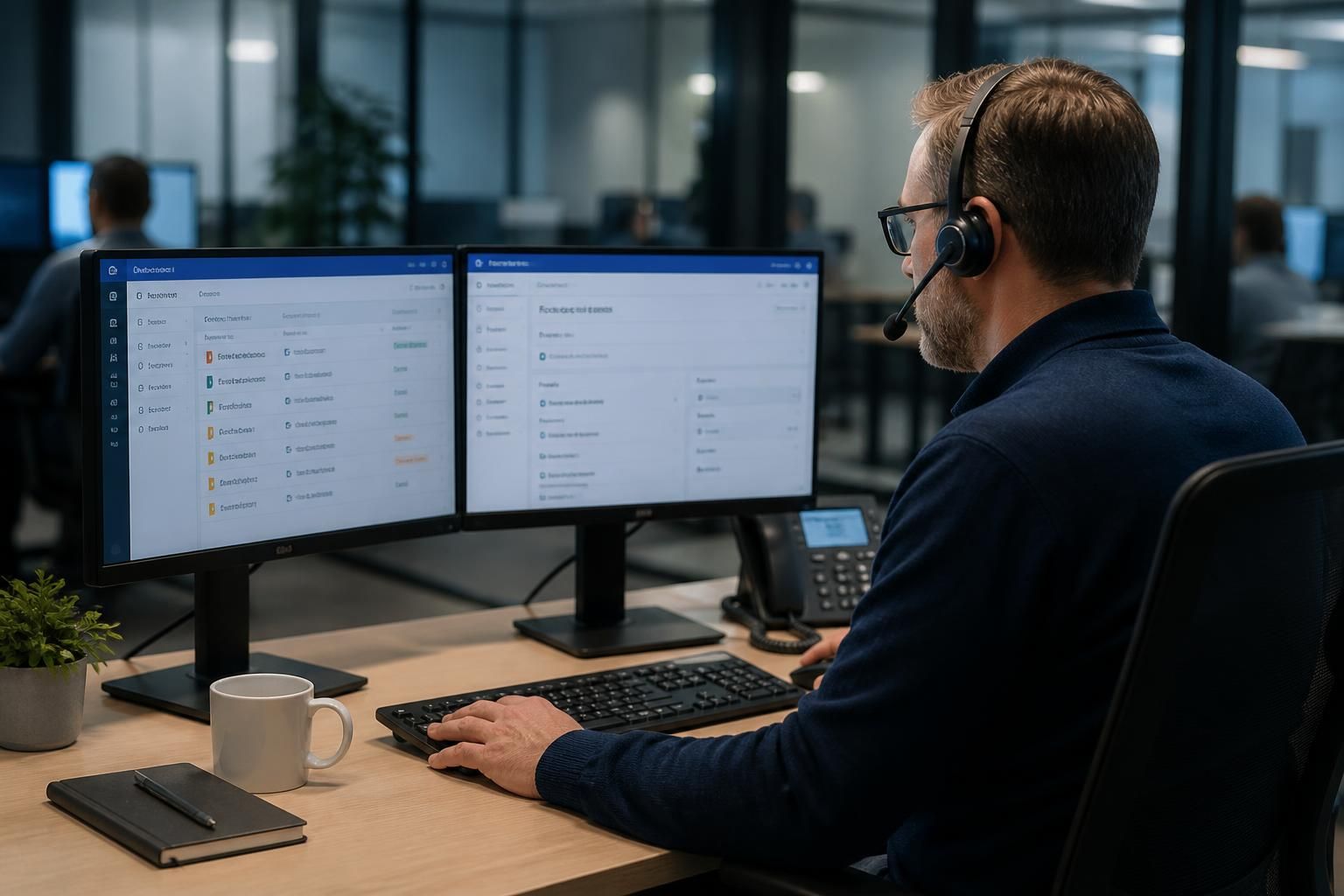
IT service desk and ticketing provide a structured way to log, prioritise, track and resolve technology issues and requests. S2 Technology Group helps businesses organise this process through clear ownership, useful records and service-level oversight, supporting consistent IT service delivery.
What Effective IT Service Desk Ticketing Delivers
Effective IT service desk ticketing turns support activity into usable operational information. It gives businesses clearer visibility of demand, accountable handling, consistent communication and records that help identify recurring faults, inform improvements and support informed technology planning.
Clearer Priorities for Incoming Work
Ticket categories, impact assessments and priority levels help distinguish urgent business disruption from routine requests, so support teams can organise work according to operational importance.
Accountable Issue Ownership
Assigning each ticket to a responsible person or team makes ownership visible and reduces the risk of requests being overlooked or passed between teams without clear responsibility.
Consistent Progress Updates
A shared ticket record provides a structured place to document actions, questions and next steps, giving users and IT staff a consistent view of the current position.
A Searchable History of Support
Previous faults, requests and resolutions remain available for reference. This record can provide useful context when similar issues affect a user, device, application or location again.
Better Identification of Recurring Faults
Reviewing ticket trends can reveal repeated incidents, common request types and underlying weaknesses that may require a technical fix, process change or user guidance.
Evidence for IT Planning
Ticket data gives businesses a practical view of support demand and recurring technology problems, helping inform decisions about infrastructure improvements, security priorities and future IT requirements.

The People Behind Your IT Service Desk
An IT service desk is not only a ticket queue. Skilled support staff interpret the information supplied, ask useful questions and distinguish a user error, device fault or wider service issue before deciding what should happen next.
Human judgement matters when a request affects access, security or several people. A technician can assess context, explain options in plain English and involve the right resource without asking the user to repeat details.
Good ticketing supports this work rather than replacing it. Clear categories, relevant notes and a shared knowledge base help familiar issues receive consistent handling, while unusual cases receive proper investigation. This combination of capable people and dependable process makes the service desk easier to use.
Specialist Expertise in IT Service Desk Management
An effective IT service desk process connects day-to-day support with wider technology management. S2 Technology Group applies structured ticket management to distinguish incidents, service requests, access matters and recurring problems, helping organisations direct each issue according to its operational importance rather than treating every ticket in the same way.
Specialist service desk management also depends on the quality of the information captured. Useful categorisation, ownership, priority rules and resolution records create a reliable operational record. This supports trend analysis, problem management and more informed decisions about infrastructure, user access, security controls and future technology requirements.
For organisations that need a dependable support framework without building every capability internally, S2 provides informed guidance on service desk design, ticketing workflows and service-level arrangements. The emphasis is on a service desk that can be reviewed and improved over time, with clear governance connecting support activity to business needs.
Questions to Ask When Choosing an IT Service Desk
How should an IT service desk measure ticket quality?
Assess whether the system records ownership, priority, correspondence, approvals and resolution history. These details support accountability, auditability and useful reporting, while revealing whether workflows fit your organisation’s operating model effectively.
Can an IT service desk integrate with existing business systems?
Integration allows an IT service desk to connect with identity, email, monitoring and business platforms, reducing duplicate entry and preserving context. Assess permissions, data flows, compatibility and governance before implementation.
How should an IT service desk prioritise tickets by business impact?
Prioritise tickets by assessing affected users, critical business processes, security implications, dependencies and workarounds. Separate urgency from impact, apply agreed categories consistently, and reassess priorities when circumstances materially change significantly.
How should an IT service desk define meaningful service levels?
Meaningful service levels define measurable commitments for response, communication, escalation and resolution, linked to business impact and documented exclusions. Review them regularly using ticket data and feedback from relevant stakeholders.
What should an IT service desk knowledge base contain?
A knowledge base should contain verified solutions, diagnostic steps, access guidance, terminology, screenshots where useful, and ownership details for maintaining articles. Link entries to ticket categories and review outdated content.
Structured Support
S2 combines structured ticketing with expert judgement, creating accountable IT support records that guide practical service improvements for growing businesses.
Organisations We Support

Professional Services Teams
Professional services organisations often rely on dependable access to email, documents, line-of-business applications and client information. A structured service desk records each request, assigns ownership and preserves the relevant context, helping support staff distinguish isolated user issues from recurring problems affecting wider operations.
Manufacturing Businesses
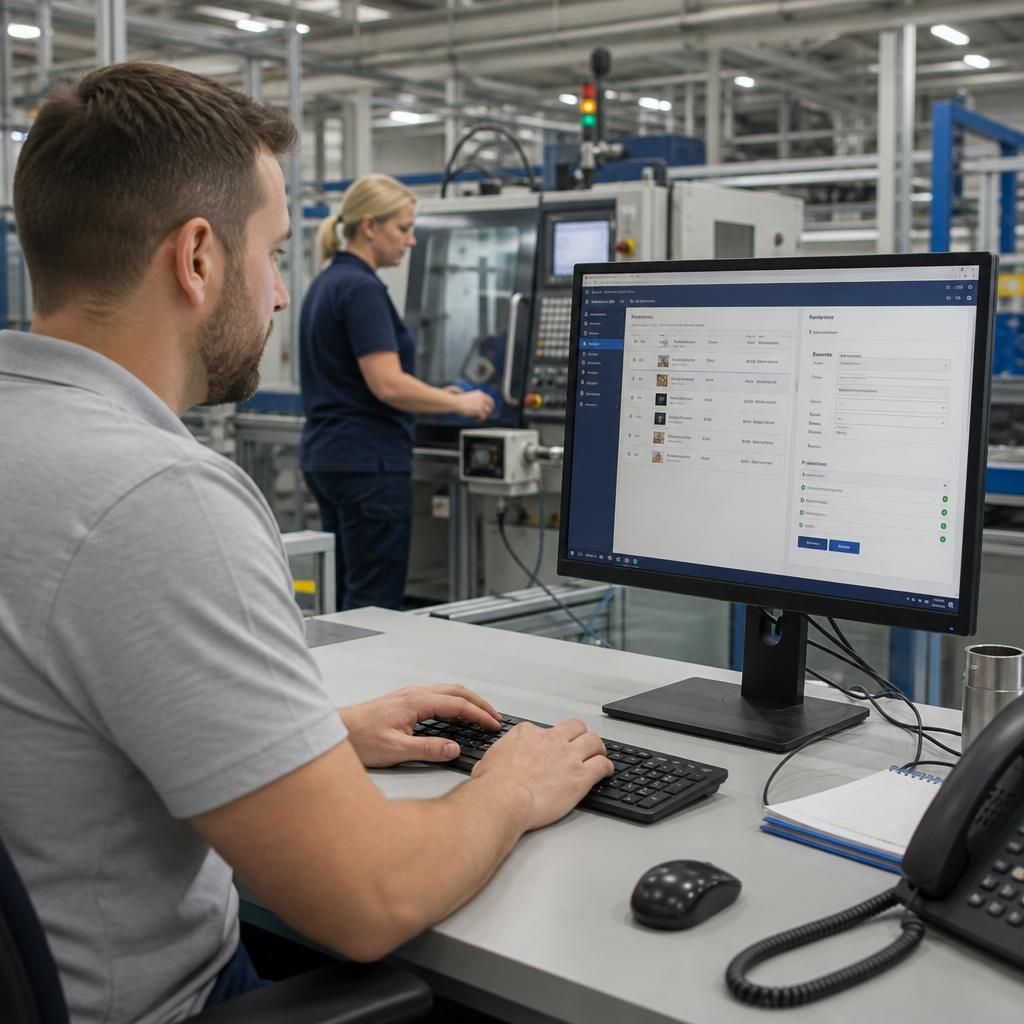
Manufacturing environments may combine office systems with production-related technology, creating different support priorities across the organisation. Ticket categories and detailed notes help identify the affected equipment, user or process, giving technicians a clearer basis for investigation and escalation.

Logistics Organisations
Logistics teams depend on access to systems that coordinate people, information and operational activity. A service desk provides a central record for access requests, device faults and application issues, making it easier to see what has been reported and which technical resource is responsible.
Multi-Site Businesses
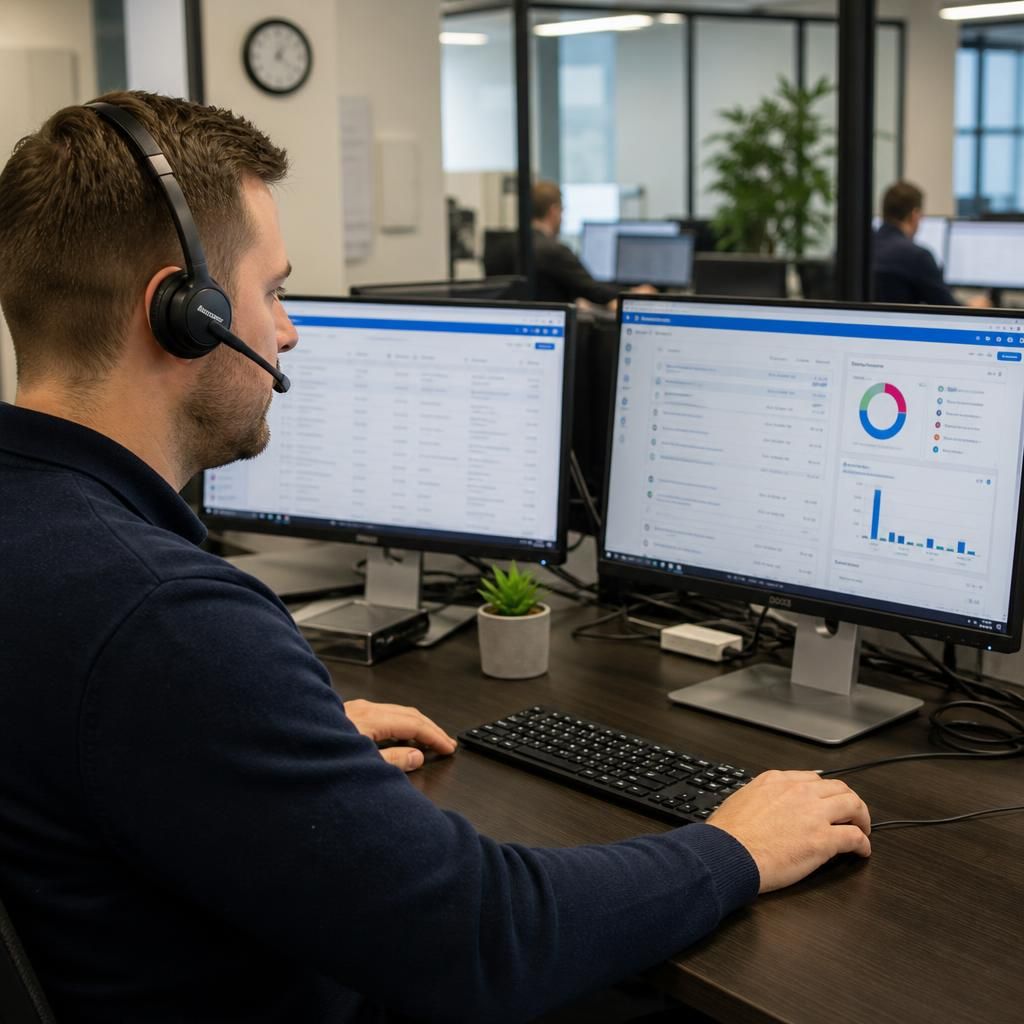
For organisations working across more than one location, support records can show where an issue occurs and whether similar requests are being raised elsewhere. Consistent ticket information supports clearer communication between users and technicians, while trend analysis can highlight infrastructure or process issues that deserve further attention.

Growing Organisations
As a business grows, informal requests through individual messages can make ownership and progress difficult to follow. A ticketing process gives users a defined route for reporting issues, creates an auditable history and provides information that can guide decisions about support procedures, devices and IT infrastructure.
IT Service Desk Ticketing for Different Business Needs
IT service desk ticketing suits businesses that need a consistent way to manage recurring requests, access changes, incidents and planned technology work. The following situations show where different workflows, permissions and reporting needs may shape the service desk.
Recurring User Requests
A service desk gives common requests such as software access, device setup and password assistance a consistent route. Reusable categories and checklists help technicians capture the right information and record the action taken.
Incidents Affecting Staff
When a fault affects one user, a department or a wider service, ticketing helps separate individual symptoms from broader incidents. Related tickets can be linked so the investigation and communication remain easier to follow.
Joiners, Movers and Leavers
Businesses managing staff changes can use tickets to coordinate account creation, permission updates, equipment allocation and access removal. Assigning tasks to the relevant people creates a clear record of what was requested and completed.
Planned Technology Changes
Planned upgrades, configuration changes and maintenance can be recorded separately from unplanned incidents. A ticket can hold the scope, approvals, dependencies and follow-up actions needed to keep the work organised.
Multi-Site or Remote Teams
Organisations with several offices or distributed staff benefit from a shared process for submitting and tracking support requests. Location, device and user details can be captured in the ticket to provide useful context for investigation.
Service Reviews and Reporting
Ticket records provide evidence for reviewing recurring issues, request volumes, unresolved work and common causes. This information can support decisions about training, equipment, security controls and future IT improvements.
IT Service Desk & Ticketing Questions Answered
What happens after a user submits an IT service desk ticket?
An IT service desk records requests in one system, assigns responsibility, applies priorities, documents progress and provides reporting, creating an auditable process for managing technology support consistently across the organisation.
What ticket categories should an IT service desk use?
Useful categories include incidents, service requests, access, devices, applications, connectivity and security. Keep categories specific enough for routing, while allowing subcategories and consistent labels for meaningful trend analysis over time.
What is the difference between an IT service desk and an IT helpdesk?
An IT helpdesk typically focuses on resolving user incidents and requests, whereas an IT service desk manages the broader service relationship, including business processes, service improvement and ongoing organisational communication.
What information should users include in an IT help desk ticket?
Users should include the affected service or device, symptoms, error messages, relevant usernames or locations, recent changes, business impact, and screenshots where appropriate. They should avoid passwords and sensitive data.
When should an IT service desk ticket be escalated?
Escalation is appropriate when an issue exceeds agreed technical authority, risks security or compliance, affects multiple users, threatens critical operations, or remains unresolved after defined troubleshooting and documented ownership stages.
Discuss Your IT Service Desk Requirements
Discuss your IT service desk requirements with S2 Technology Group to review ticket categories, escalation paths, permissions and reporting needs. You can then identify a practical ticketing approach that supports accountable service delivery and informed technology decisions.