
How are remote monitoring reports used in service reviews?
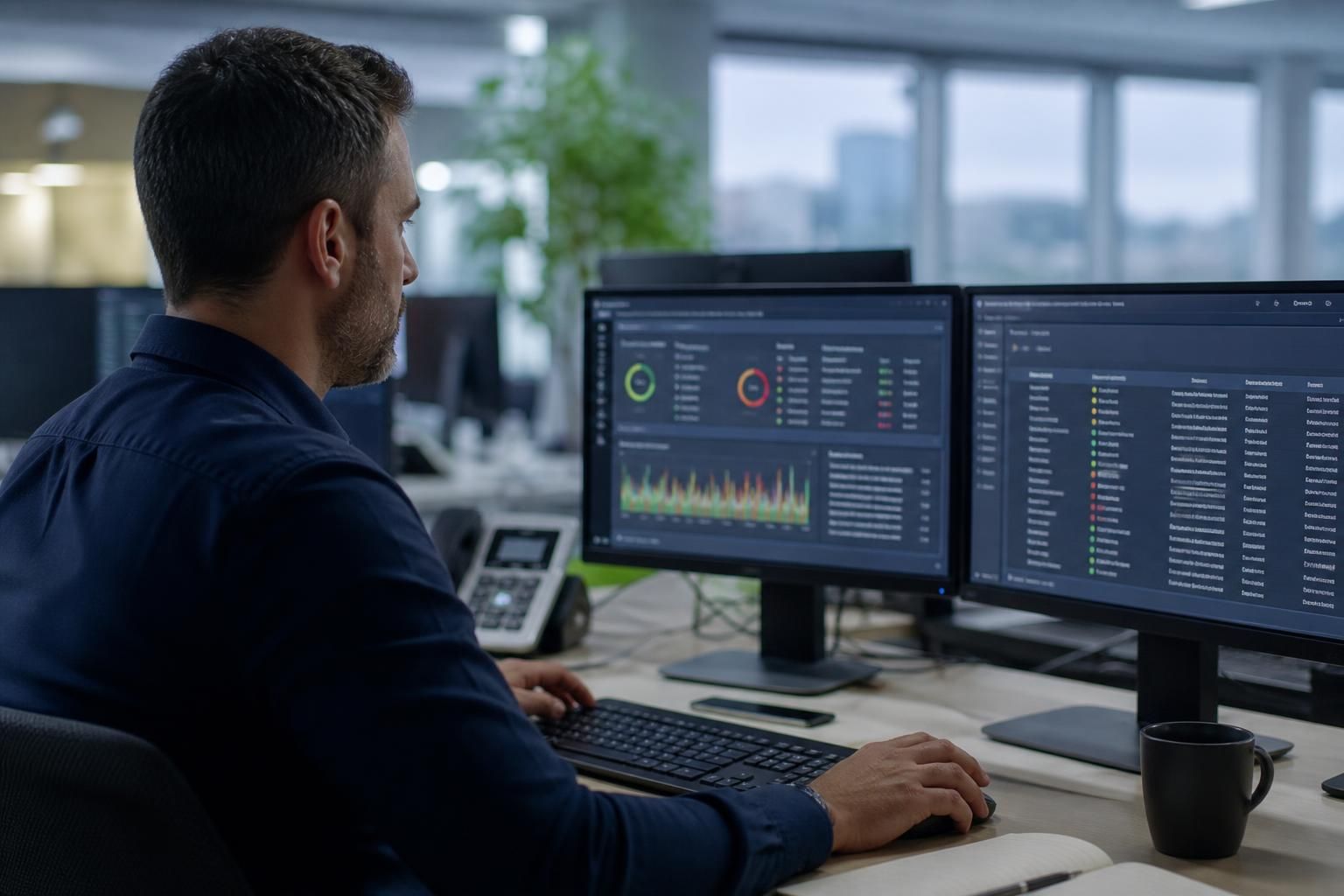
Remote monitoring reports provide a factual record of system health, alerts, maintenance activity and recurring issues for review against agreed IT priorities. They help identify trends, assess whether risks are being addressed and guide practical decisions about support, security, capacity and future improvements.
Remote monitoring reports are used in service reviews as structured evidence for evaluating the condition, performance and management of an organisation’s IT environment. Rather than relying only on individual support tickets or informal observations, the review uses recorded monitoring data to compare actual conditions with agreed service priorities and decide what should happen next.
They commonly support five areas of discussion:
- the systems and devices being monitored;
- notable alerts and how they were handled;
- maintenance, patching and remediation activity;
- repeated conditions that may require a permanent solution; and
- recommended changes to improve resilience, security or manageability.
The report should be read in context. A high number of alerts does not automatically indicate poor service, just as a quiet reporting period does not prove that every risk has been removed. The meaning depends on the systems in scope, the type and severity of the alerts, the actions taken and any changes to the business environment during the review period.
Reviewing the monitored estate
A service review can begin by confirming whether the monitored estate still reflects the organisation’s technology environment. Reports may show which servers, workstations, network devices or other supported systems have supplied data, which have not reported as expected, and whether new assets need to be included. This helps identify gaps caused by equipment changes, office moves, cloud adoption or the introduction of additional sites.
Scope is important because conclusions are only reliable for the systems represented in the report. If an important device or service is missing, its absence should be recorded as a monitoring gap rather than treated as evidence that it has no issues.
Assessing actions and outstanding work
Reports provide a useful basis for checking whether identified issues have been investigated and whether agreed actions are complete. A review may distinguish between:
- alerts that were investigated and closed;
- issues addressed through maintenance or configuration changes;
- items accepted as a known risk;
- recurring alerts awaiting a wider remediation plan; and
- conditions that still require an owner or decision.
This creates a clearer link between technical events and service management. It also prevents an issue from disappearing simply because the original alert is no longer active. Where a problem has been temporarily contained, the review can record the remaining work separately from the immediate response.
Prioritising recommendations
Monitoring information helps separate routine maintenance from decisions that need business attention. For example, a report might support a recommendation to review storage capacity, replace ageing equipment, adjust backup arrangements, strengthen access controls or investigate repeated connectivity faults. The recommendation should explain the evidence, the potential business effect and the proposed next step, without presenting monitoring data as a complete risk assessment on its own.
Priorities can then be agreed according to factors such as operational importance, security implications, dependencies, cost and the organisation’s planned changes. This is particularly useful for growing or multi-site businesses, where technical improvements need to be coordinated rather than handled as isolated fixes.
Improving the quality of the review
Reports are most useful when they are consistent from one review to the next. The format should make it easy to identify changes since the previous review, outstanding actions, newly observed risks and decisions that still require approval. Definitions for alert severity and status should also be clear, so that different readers interpret the information in the same way.
Monitoring data should be checked for limitations, including missing reporting from an asset, duplicate records, exclusions, maintenance windows and alerts that need tuning. These checks help distinguish a genuine change in the environment from a change in how the monitoring system collected or classified information.
Turning findings into an agreed record
The outcome of a service review should not be just a report archive. It should record the conclusions reached, actions agreed, responsible owners and any target review point that forms part of the service arrangement. Where no action is required, that decision can also be documented with the reason for it.
S2 Technology Group can use remote monitoring information within wider IT support discussions, combining technical records with knowledge of the organisation’s priorities and planned changes. This makes the service review a practical decision-making process: the report supplies traceable evidence, while the discussion determines which risks, improvements and support activities should be addressed next.
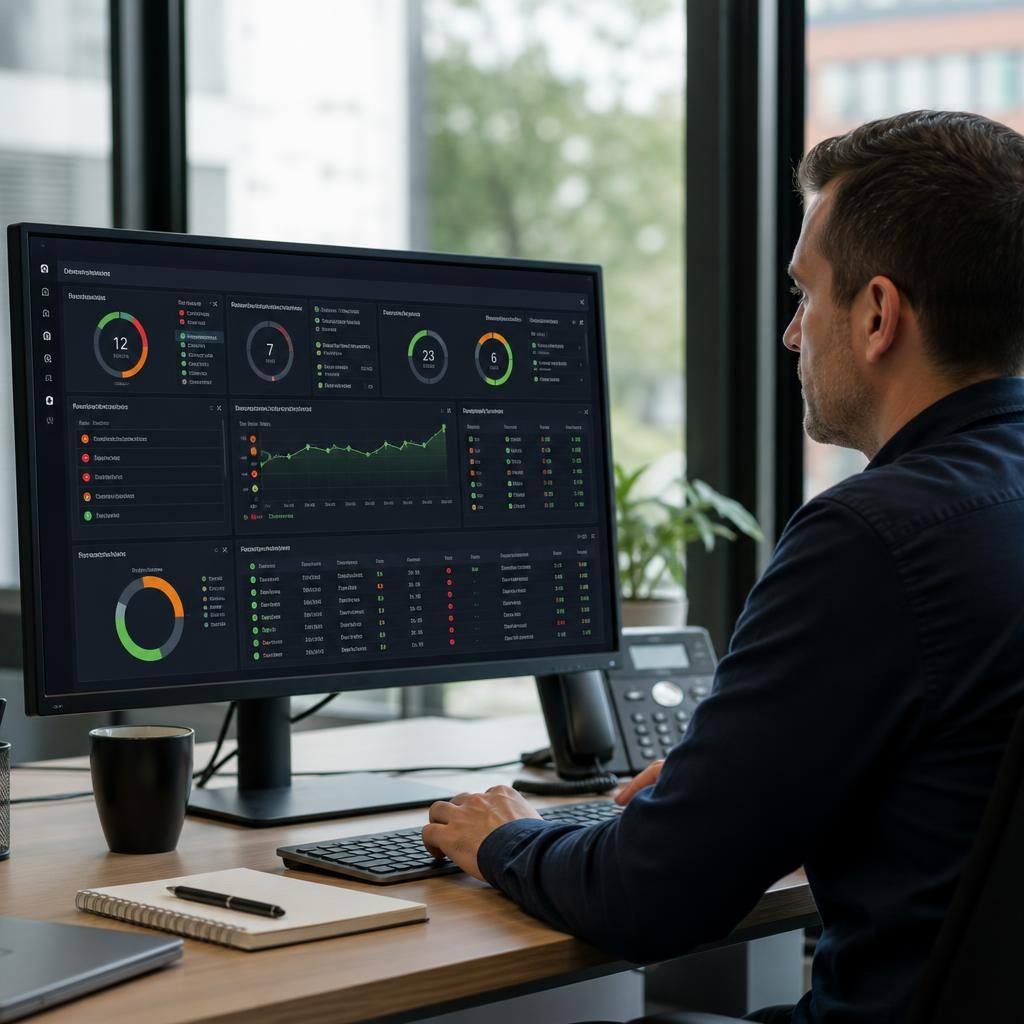
Remote monitoring reports should present technical findings at the level needed by each service review participant. A concise summary can explain the operational significance of key findings, while supporting detail remains available for the people responsible for infrastructure, security or maintenance.
This structure prevents the review from becoming a list of device readings. For each significant finding, the report can distinguish the observed condition, why it matters to the organisation and what decision is required. Clear terminology and brief explanations also help non-technical stakeholders contribute to priorities without needing to interpret raw monitoring data themselves.