

What deliverables should an IT security consultancy provide?
An IT security consultancy should provide clear, usable deliverables such as a security risk assessment, prioritised recommendations, documented policies and a practical cyber security improvement plan. It should also explain the evidence behind its findings, identify who is responsible for each action and define how controls will be reviewed over time.
An IT security consultancy should provide a documented, usable set of outputs that allows a business to understand its current environment, make informed decisions and put security measures into operation. The deliverables should be tailored to the organisation’s systems, information, operating model and regulatory context rather than consisting of generic advice.
Defined scope and assumptions: The consultancy should record which offices, users, systems, cloud services, suppliers, networks and information types were included. It should also identify exclusions, constraints, dependencies and assumptions. This prevents uncertainty about what the work covers and makes future reviews easier to compare.
Asset and information records: A useful engagement will normally produce or update an inventory of important technology assets and information flows. This may include servers, endpoints, network components, applications, accounts, data repositories, external services and key suppliers. The record should show ownership, business importance, location or hosting arrangement and relevant dependencies, without exposing sensitive credentials or unnecessary personal data.
Current-state control review: The consultancy should describe how existing safeguards operate in practice. This can cover identity and access management, secure configuration, patching, endpoint protection, backups, logging, network security, supplier access, physical safeguards and staff procedures. Each observation should distinguish between a control that is absent, one that exists but is inconsistent, and one that is operating with suitable supporting evidence.
Target-state design: Recommendations are more useful when accompanied by a description of the intended security architecture and control design. This might include proposed access principles, network segmentation, data protection measures, monitoring requirements, backup arrangements and administrative processes. Diagrams, design principles and technical requirements can help internal teams and suppliers implement the intended approach consistently.
Implementation requirements: The consultancy should translate its design into practical requirements, including required configuration changes, dependencies, prerequisites and acceptance criteria. Where several implementation options exist, the output should explain their relevant security, operational and compatibility implications. This is particularly important where systems support essential business processes or cannot be changed immediately.
Incident response materials: A suitable engagement may provide or update an incident response plan, escalation routes, decision points and communications responsibilities. Supporting playbooks can cover scenarios such as compromised accounts, malware, lost devices, data exposure or supplier incidents. These materials should state what evidence to preserve, which actions require approval and how the business should restore normal operations safely.
Continuity and recovery outputs: Security advice should address how the organisation would continue and recover if systems or data became unavailable, altered or inaccessible. Deliverables may include recovery priorities, dependencies, backup protection requirements, restoration procedures and recovery testing criteria. The documentation should distinguish between simply having a backup and demonstrating that restoration is workable.
Testing and validation records: Where testing is included, the consultancy should provide a clear account of the methods used, systems or scenarios tested, limitations, findings and remediation status. Depending on scope, this might include configuration validation, vulnerability testing, access reviews, phishing simulations, incident exercises or recovery tests. Sensitive technical details should be distributed appropriately so that useful evidence is retained without creating an unnecessary security risk.
Compliance and assurance mapping: A control mapping can show how existing or proposed safeguards relate to the organisation’s contractual, legal, regulatory or certification obligations. This should identify evidence requirements and areas requiring specialist legal or regulatory interpretation, rather than presenting security controls as a guarantee of compliance. It also gives management a structured way to prepare for audits and customer due diligence.
Training and handover materials: If internal staff or other suppliers will operate the controls, the consultancy should provide suitable instructions, runbooks, diagrams and knowledge-transfer notes. These should explain routine tasks, escalation triggers, required records and the consequences of bypassing a control. A handover is incomplete if the business receives a report but cannot maintain the resulting arrangements.
Management summary and technical appendices: The final pack should serve both decision-makers and the people responsible for implementation. A concise summary can explain material exposure, business implications, decisions required and dependencies, while technical appendices preserve system detail, test evidence, configuration requirements and supporting references. Deliverables should be supplied in formats the organisation can maintain and update, with version control and clear document ownership.
Before accepting the work, the business should check that each output has a stated purpose, defined scope, relevant evidence, practical actions and a clear route to implementation. It should also confirm that confidential information has been handled securely and that unresolved limitations are recorded. These checks distinguish a consultancy deliverable that supports ongoing security management from a report that merely documents observations.
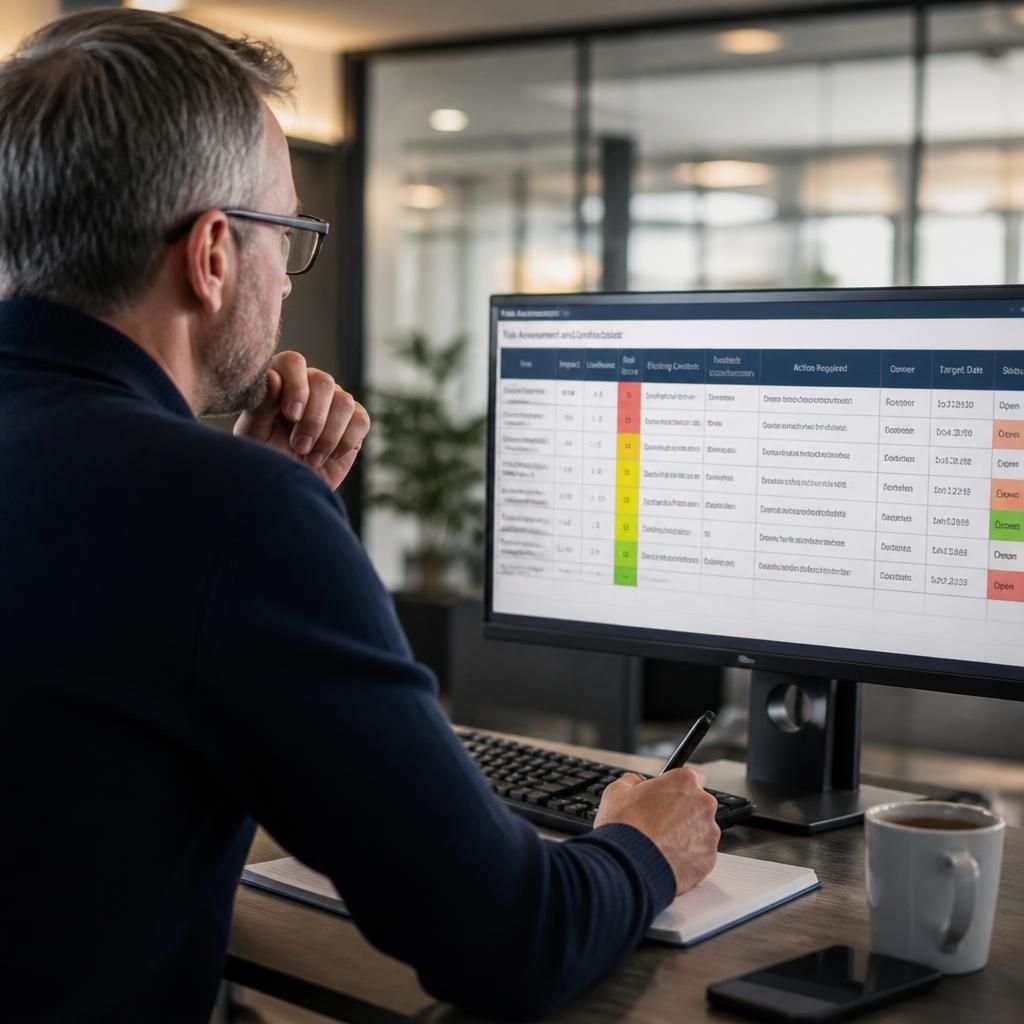
A further useful deliverable is a risk acceptance and decision register. It should record risks that the business has chosen to tolerate, defer or address through an alternative measure, rather than leaving these decisions implicit in the consultancy report.
For each accepted or deferred risk, the register should state the relevant exposure, business rationale, decision owner, compensating measures and review date. It should also identify any conditions that would trigger reconsideration, such as a system change, new regulatory requirement or security incident. This gives management a clear record of its decisions and prevents unresolved recommendations from being mistaken for completed work.