

IT Asset Management Services
IT asset management services organise the complete life cycle of business devices and technology, from procurement and configuration through monitoring, maintenance, secure access control, retirement and disposal. S2 Technology Group provides consulting to improve visibility, governance and cost control.
What Effective IT Asset Management Delivers
Effective IT asset management gives organisations a reliable basis for controlling technology decisions. The following outcomes show how structured records and consistent oversight support accountability, operational continuity, audit readiness and informed investment.
A Complete View of Business Technology
A maintained asset register records devices, users, locations, configurations and ownership in one place. This helps identify what the organisation has, where it is used and which assets require attention.
More Consistent Procurement
Defined purchasing and configuration processes reduce ad hoc technology decisions. Standardising approved equipment and recording each acquisition makes new assets easier to deploy, support and manage throughout their service life.
Better Control of Technology Costs
Lifecycle records show when equipment was acquired, how it is being used and when replacement may be appropriate. This gives decision-makers clearer information for budgeting, purchasing and prioritising upgrades.
Reduced Security Exposure
Asset information supports security controls by linking devices and access permissions to named users and business requirements. Unrecognised, unsupported or incorrectly configured equipment can then be investigated rather than remaining outside normal oversight.
Planned Device Replacement
Tracking age, condition, warranty information and support status helps organisations identify replacement needs before ageing equipment becomes a wider operational issue. Refresh planning can therefore be based on evidence rather than isolated faults.
Controlled Retirement and Disposal
A documented offboarding process ensures devices are removed from service, access is withdrawn and business data is handled securely. Disposal records provide a clear history of what happened to retired equipment and help demonstrate responsible asset management.
The People Behind Your Asset Management
IT asset management is the structured oversight of an organisation’s devices, software and related technology records. It connects each asset to its user, location, ownership and status, giving people a dependable reference when planning changes or investigating issues.
At S2 Technology Group, our consultants examine how assets are requested, approved, configured, assigned and returned. We consider practical details such as joiners and leavers, shared equipment, remote users and equipment that needs replacement. The result is advice based on how your organisation actually operates, rather than a generic inventory template.
Good asset management also depends on clear responsibilities. We help define who maintains records, who authorises changes and what information should be reviewed. This makes the system usable for both technical teams and business managers, while keeping the process practical as your organisation’s requirements develop.

Specialist Expertise in IT Asset Lifecycle Management
IT asset management is the governance discipline used to connect technology records with financial, operational and security decisions. It provides the evidence needed to understand what an organisation owns or uses, how each asset supports the business and where gaps in control may create unnecessary exposure or cost.
Effective consulting goes beyond compiling an inventory. S2 Technology Group examines data quality, record consistency, ownership, contractual information, support status and links between devices, users and services. This deeper review helps distinguish reliable management information from incomplete records, enabling more informed decisions about procurement, device management, asset monitoring and technology risk.
S2 applies a structured, commercially aware approach to lifecycle management and asset governance. Recommendations are prioritised according to business relevance, control requirements and practical implementation, helping organisations establish processes that remain useful as their technology estate changes. This specialist perspective supports clearer oversight across IT lifecycle services without creating unnecessary administrative complexity.
Questions to Ask Before Choosing IT Asset Management Services
Does IT asset management include software licensing compliance?
Check whether records cover ownership, warranty, licensing, security status and disposal evidence; whether updates are automated or manual; and how exceptions, leavers and unauthorised devices are handled consistently.
What should an IT asset management service report to business leaders?
A report should show asset count, expenditure, renewal dates, unresolved risks, policy exceptions, support trends and lifecycle priorities. Leaders can then compare technology costs with business requirements and approve actions.
What integrations should an IT asset management service provide?
Useful integrations connect asset records with identity, procurement, finance, service desk, endpoint security and network tools. They reduce duplicate entry, improve ownership data and support consistent change control across systems.
How should IT asset management handle remote devices?
Remote devices need ownership, encryption, patching, and secure access records that remain current beyond the office network. Records should capture user context, location changes, recovery procedures, and return arrangements consistently.
Can IT asset management identify underused equipment?
Yes, utilisation analysis can reveal devices with limited activity, duplicate capacity or unsuitable specifications. Review business need, security condition, supportability and redeployment feasibility before delaying replacement or removing equipment permanently.
Lifecycle Clarity
S2 combines practical governance with security and commercial decisions across every technology asset lifecycle stage for business control and accountability.
Organisations We Support

Professional Services Teams
Professional services organisations often manage laptops, monitors, mobile devices and user accounts across office and home-working arrangements. A structured asset register links each item to its user, location and status, helping support informed decisions when equipment is issued, transferred, reviewed or retired.

Manufacturing Environments
Manufacturers may have office computers alongside shared workstations, production technology and devices used across operational areas. Asset management helps distinguish business-critical equipment, record responsible owners and identify where maintenance, access controls or replacement planning require attention.

Logistics Operations
Logistics businesses depend on devices that support coordination, administration and movement of goods. Recording handheld equipment, computers and associated access rights provides a clearer view of what is deployed, who is responsible for it and what must be checked when people or roles change.
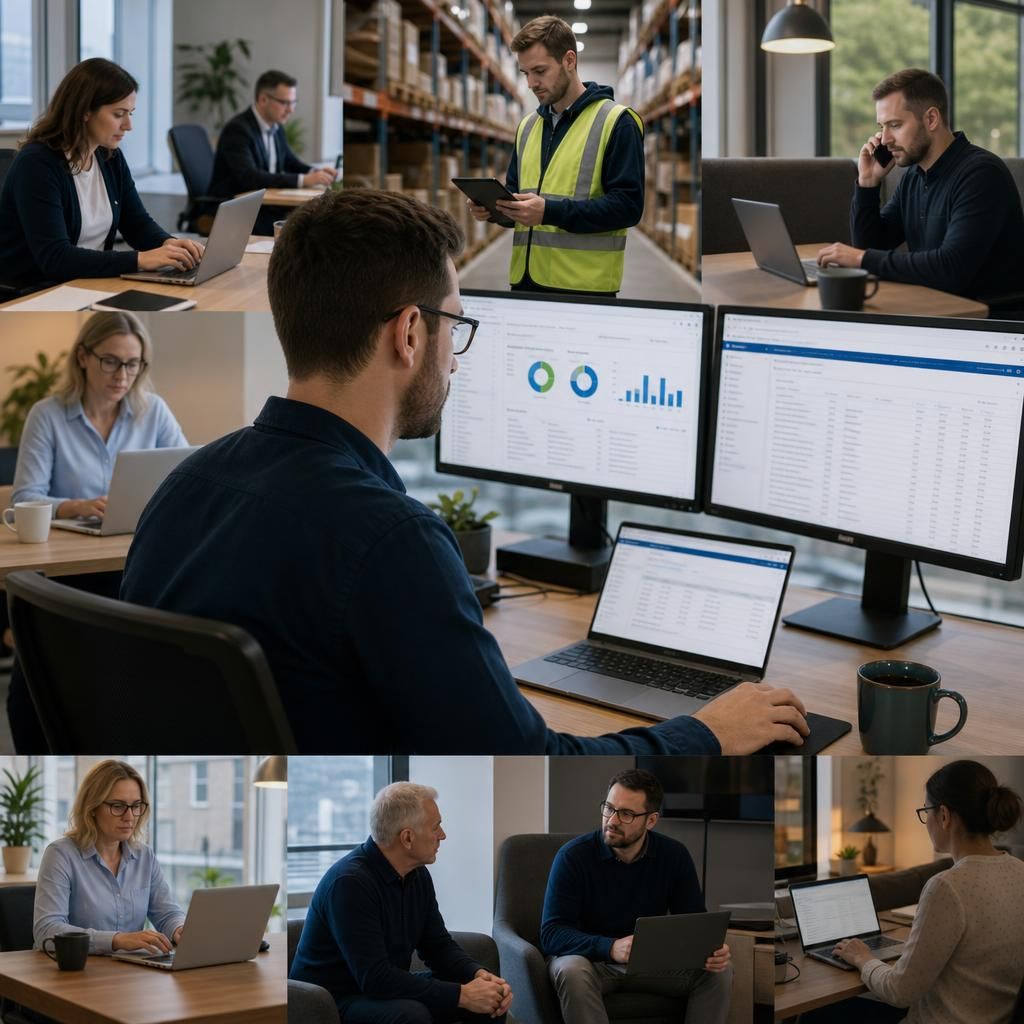
Multi-Site Organisations
Organisations operating from several locations need asset records that remain consistent across offices, branches or operational sites. Standardised information makes it easier to compare equipment, identify ownership gaps and coordinate lifecycle decisions without relying on disconnected local records.
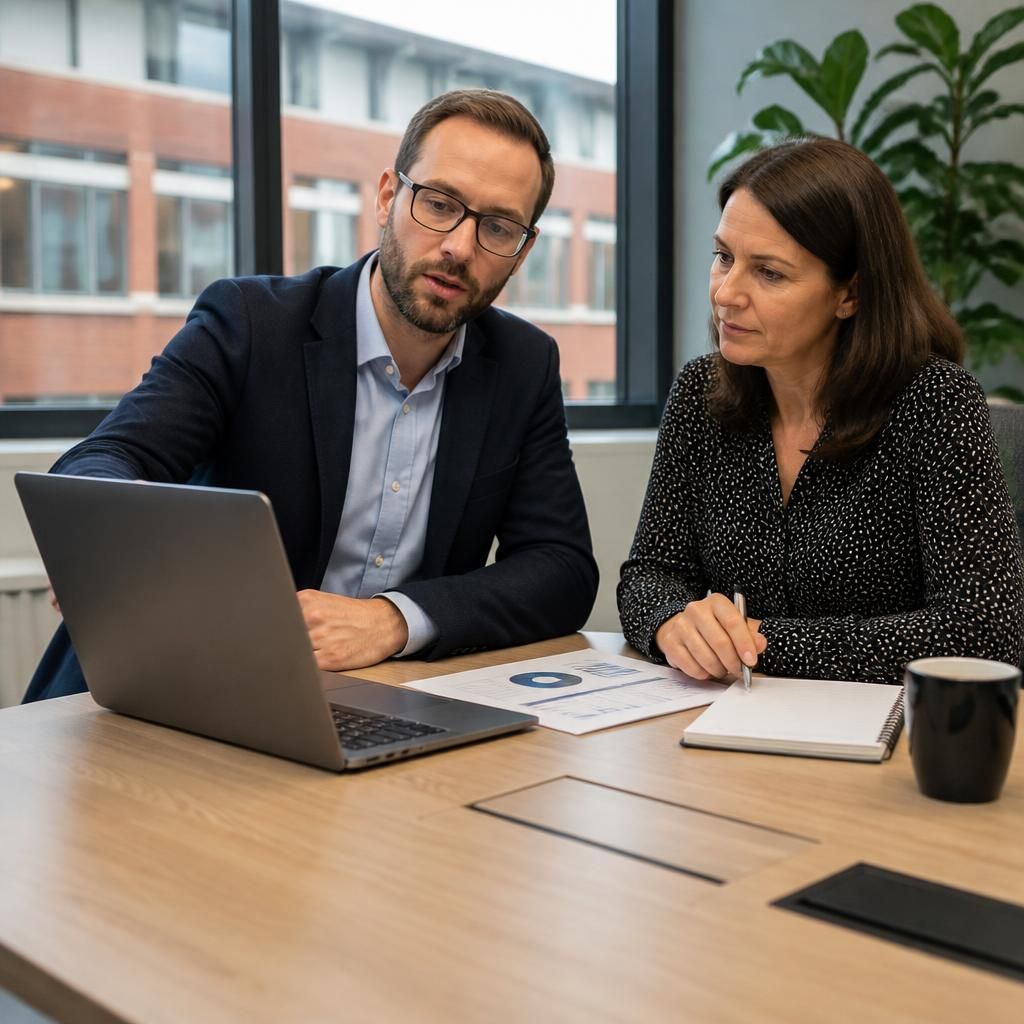
Growing Organisations
As an organisation grows, informal records can make it harder to track devices, software access and replacement requirements. Asset management provides a repeatable framework for adding equipment, assigning responsibility and reviewing technology needs as teams, locations and working practices develop.
IT Asset Management for Different Business Requirements
Different asset pressures call for different controls. IT asset management can support organisations replacing ageing equipment, preparing for audits, standardising acquisitions, managing dispersed users or investigating unapproved devices, with processes adapted to the risks and operational demands involved.
Establishing Control in a Growing Business
As an organisation adds people, locations and technology, informal records become difficult to maintain. IT asset management provides a consistent structure for recording ownership, status and responsibility as the business develops.
Improving Management Information
When technology decisions rely on incomplete records, managers may struggle to understand the estate they are responsible for. A maintained asset register provides clearer information for reviewing technology use, ownership and ongoing requirements.
Managing Leased or Purchased Equipment
Businesses using a mixture of purchased, leased or supplier-managed equipment need to distinguish ownership and contractual responsibility. Asset records can bring these details together so obligations are easier to review before equipment is changed or returned.
Coordinating Technology Changes
Infrastructure projects, office moves and system changes can affect many connected devices. Reviewing asset relationships beforehand helps identify what is involved, who uses it and which records need updating after the change.
Reviewing Software and Device Entitlements
Where hardware and software are acquired through different routes, records can become disconnected from actual use. IT asset management helps compare assigned technology with procurement and entitlement information, supporting more informed governance.
Investigating Unclear Asset Records
Missing, duplicated or inconsistent records make it harder to establish what happened to a device or who is responsible for it. Structured investigation can reconcile available information and identify gaps that require corrective action.
IT Asset Management Services: Frequently Asked Questions
What is included in an IT asset management audit?
IT asset management covers ownership, financial records, contracts, configuration and disposal, while device management focuses on controlling and securing endpoints during active use. Both provide complementary operational oversight for organisations.
How often should IT asset records be reviewed?
Review frequency should reflect asset risk and change: maintain records when devices are acquired, moved, reassigned or retired, with scheduled checks at least annually and more often for critical environments.
When should a business replace an IT asset?
Replace an IT asset when repair costs, security limitations, incompatibility, performance constraints or support withdrawal make continued use less suitable than planned renewal, considering data migration and secure disposal requirements.
How can IT asset management support IT budgeting?
Asset management supports IT budgeting by revealing upcoming renewals, licence commitments, maintenance obligations and disposal costs, helping organisations distinguish planned expenditure from urgent, unbudgeted replacements and prioritise investment decisions effectively.
What information should an IT asset register contain?
An IT asset register should record each item's identifier, type, serial number, supplier, acquisition date, warranty, assigned user, location, configuration, licence status, security controls, disposal evidence, and any necessary approvals.