

IT Service Management for Business
IT service management (ITSM) is the structured approach to planning, delivering, supporting and improving technology services. S2 Technology Group helps businesses align incident handling, service requests, changes and supplier oversight with operational requirements and risk controls.
What Effective IT Service Management Delivers
Effective IT service management produces clearer ownership of technology work, better visibility of operational risks, and more consistent user support. It also creates reliable records for decisions, planning and continual service improvement.
Fewer Recurring IT Issues
Trend analysis and problem management help identify the underlying causes of repeated incidents. Addressing those causes reduces avoidable disruption and prevents the same faults from being handled repeatedly.
More Controlled Technology Changes
A defined change process records the reason, risk, approvals and implementation steps for each change. This makes infrastructure updates more predictable and provides a clear basis for reviewing their results.
Better Prioritisation of IT Work
Classifying incidents and requests by business impact helps teams focus on the issues that matter most to operational continuity. Routine work can then be planned without obscuring higher-risk requirements.
Clearer Service Performance Information
Structured service records show the volume, type and status of incidents, requests and changes. This gives managers useful evidence for identifying demand patterns and deciding where resources or improvements are needed.
More Effective Supplier Coordination
Documented responsibilities, escalation routes and service information make it easier to manage third-party technology providers. Supplier performance can be reviewed against the needs of the business rather than informal expectations.
Stronger Support for Business Continuity
ITSM processes connect technology support with operational priorities, dependencies and risk controls. This helps the business understand which services require protection, recovery planning or additional resilience.
A More Consistent User Experience
Standard procedures for logging, assessing and progressing support work reduce variation in how users' issues are handled. Users and managers can also understand what information is required and how work moves towards resolution.
The People Behind Your IT Service Management
IT service management is a people-centred discipline: processes work when they reflect how staff and business teams operate. S2 Technology Group considers the role each service plays in day-to-day work, including dependencies between users, systems and providers.
That context helps specialists distinguish a technical fault from a wider business issue, explain options in plain language and involve the right people before decisions are made. Conversations are documented to support continuity, without creating administration for its own sake.
Good ITSM combines professional judgement with repeatable methods. S2 can help establish practical arrangements for roles, communication, documentation and review, keeping technology decisions connected to operational priorities as the organisation develops. This avoids treating every business as if it has identical needs.

Specialist Expertise in IT Service Management
IT service management translates business requirements into defined technology services, controls and decision-making practices. It connects service delivery, incident management, change management and supplier management so that technology operations can be assessed against business needs rather than handled as isolated technical tasks.
Specialist ITSM requires more than selecting an IT management platform. S2 Technology Group considers service dependencies, escalation routes, documentation standards, configuration change management and operational reporting together. This provides a basis for evaluating recurring issues, prioritising improvement work and maintaining appropriate control as systems and suppliers change.
S2 brings a practical understanding of how IT service management operates across small and medium-sized organisations, including businesses with limited internal IT capacity. Its approach can support service support management, IT operations management and supplier oversight without imposing processes that are disproportionate to the organisation’s structure, risk profile or operational requirements.
Questions to Ask About IT Service Management
How should IT service management measure business-critical service performance?
Ask how service quality will be evidenced: request trends, recurring incidents, change outcomes, unresolved risks and supplier performance should be reviewed with actions assigned and tracked through to formal completion.
What controls should IT service management apply to technology changes?
Use a documented change process with risk assessment, approval, testing, rollback planning and post-implementation review. Each request should identify the affected services, owner, implementation window and evidence controls were followed.
How will IT service management prioritise incidents affecting critical business services?
Prioritisation should consider business impact, affected users, dependency chains, regulatory exposure and available workarounds. Classify urgency separately, then route ownership clearly and review priority when circumstances or evidence change materially.
What should an IT service management onboarding process include?
Onboarding should document services, contacts, access requirements, tools, priorities, supplier relationships and known risks, then confirm responsibilities, information security checks and handover arrangements before routine management starts under agreed governance.
What should an IT service management knowledge base contain?
An ITSM knowledge base should contain verified resolutions, service procedures, errors, access guidance, ownership details, dependencies, terminology and review dates. Entries need searchable labels, version control, approval and audit history.
Practical ITSM
Business-led ITSM connects service controls, operational decisions and supplier oversight, giving growing organisations one practical framework for managing technology.
Businesses Supported by S2 Technology Group

Professional Services Organisations
Professional services organisations depend on dependable access to documents, communication tools and line-of-business systems. IT service management provides a structured way to record incidents, assess requests, coordinate changes and maintain clear ownership when several teams or suppliers are involved.

Manufacturing Environments
Manufacturing businesses need technology services to support office functions, production activity and operational reporting. A defined ITSM framework helps separate urgent service disruption from routine requests, while documenting changes that could affect connected systems or site operations.
Logistics Operations
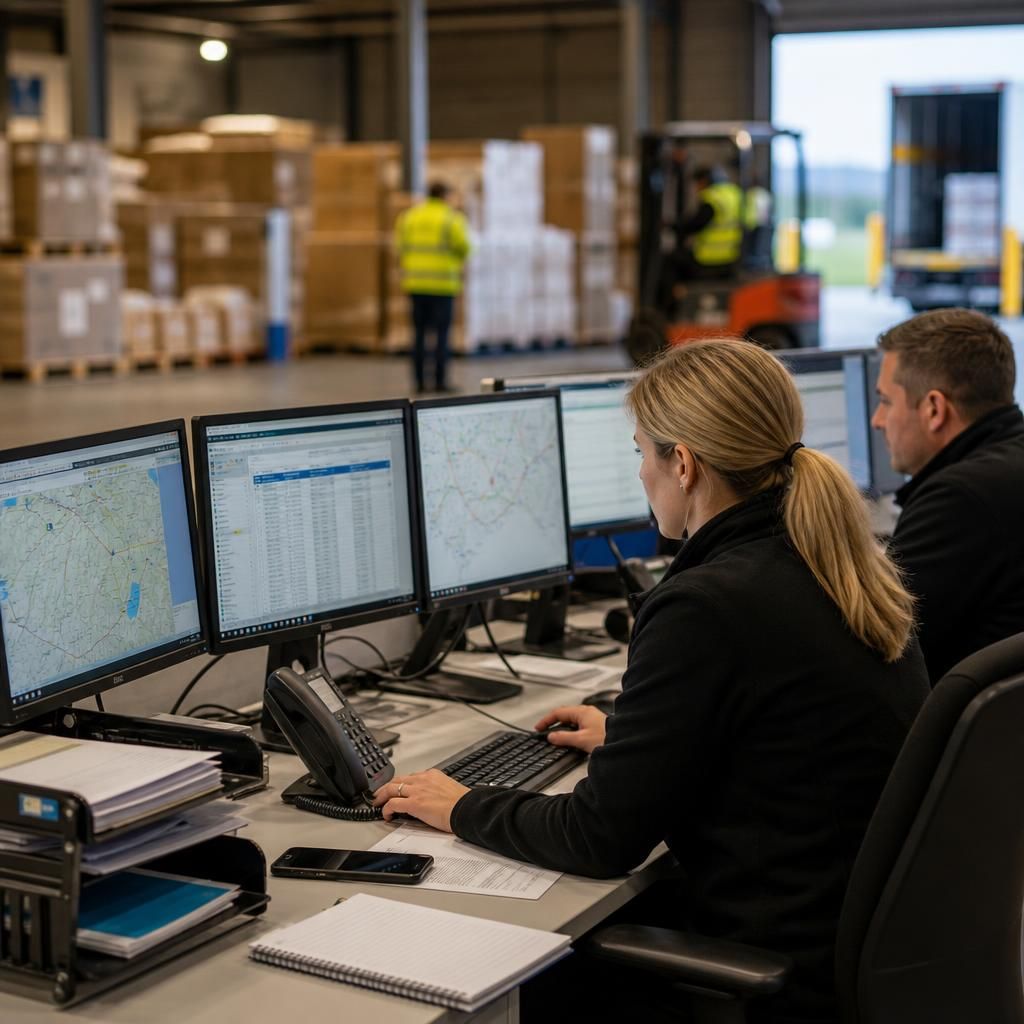
Logistics organisations often rely on connected systems for planning, communication and the movement of goods. IT service management brings incidents, access requests and supplier issues into a consistent process, helping decision-makers understand service dependencies across the operation.

Multi-Site Businesses
Multi-site businesses must manage technology consistently across offices, premises or operational locations. ITSM supports shared procedures for logging issues, approving changes and maintaining service information, while allowing local requirements and site-specific dependencies to be recorded.

Growing Organisations Without a Full IT Team
Growing organisations may depend on technology without having every IT role in-house. Practical service management clarifies who owns each issue, how external providers are involved and which decisions require review, giving business leaders a clearer basis for managing IT responsibilities and risk.
IT Service Management for Different Business Needs
IT service management can be structured around the operational pressures a business faces, whether it needs clearer ownership of support, controlled technology changes, documented supplier responsibilities, or a consistent way to manage workplace systems across multiple locations and teams.
Clear Service Ownership
A defined service structure helps growing organisations establish who owns each technology service, how requests are recorded and where decisions sit. This is particularly useful when internal responsibilities are shared between business teams and an external IT partner.
Support for Growing Teams
As headcount and technology use increase, informal arrangements become harder to manage. ITSM provides consistent processes for access, equipment, user support and staff changes, helping workplace technology remain aligned with organisational requirements.
Consistent Multi-Site Operations
Businesses with several offices, facilities or operational locations can use common service definitions and documentation to reduce variation. Local requirements can still be recorded without losing a shared view of how technology is managed.
Risk-Aware Technology Decisions
ITSM links service management with risk controls by documenting dependencies, responsibilities and the effect of proposed changes. This gives decision-makers clearer information when technology affects sensitive data or important business processes.
Coordinated Supplier Management
Where connectivity, hosting, software or specialist support involves third parties, documented responsibilities make supplier relationships easier to govern. Service records can clarify ownership, escalation routes and the information needed for review.
Continuous Service Improvement
Regular review of incidents, requests and recurring issues helps identify where a service or process needs refinement. Improvement work can then be prioritised against operational needs rather than treated as a series of disconnected technical tasks.
IT Service Management Questions Answered
How does IT service management support supplier accountability?
IT service management organises how technology services are designed, delivered, supported and reviewed, using defined responsibilities, records and controls to connect technical work with business requirements, risk and management priorities.
How does IT service management handle service requests?
Service requests are logged, categorised and prioritised according to their business impact, then assigned to an appropriate owner. Progress, approvals and completion details are recorded for consistent and accountable follow-through.
What role does IT service management play in business continuity planning?
IT service management supports continuity by documenting critical services, dependencies, recovery procedures and escalation paths, helping organisations assess disruption risks and coordinate restoration decisions when technology incidents affect business operations.
What is the role of a service desk in IT service management?
A service desk provides the main contact point for users, logging issues, assessing impact, coordinating investigation, communicating progress and escalating unresolved matters while maintaining accurate service records throughout support activity.
How does IT service management support problem management?
Problem management identifies and investigates underlying causes of recurring incidents, records known errors, evaluates workarounds and coordinates permanent corrective actions, reducing repeat disruption through evidence-based service improvement and trend analysis.
Discuss Your IT Service Management Requirements
Discuss your IT service management requirements with S2 Technology Group to review current processes, clarify responsibilities and identify practical improvements for support, changes and service oversight. Enquire today for informed guidance tailored to your organisation.