
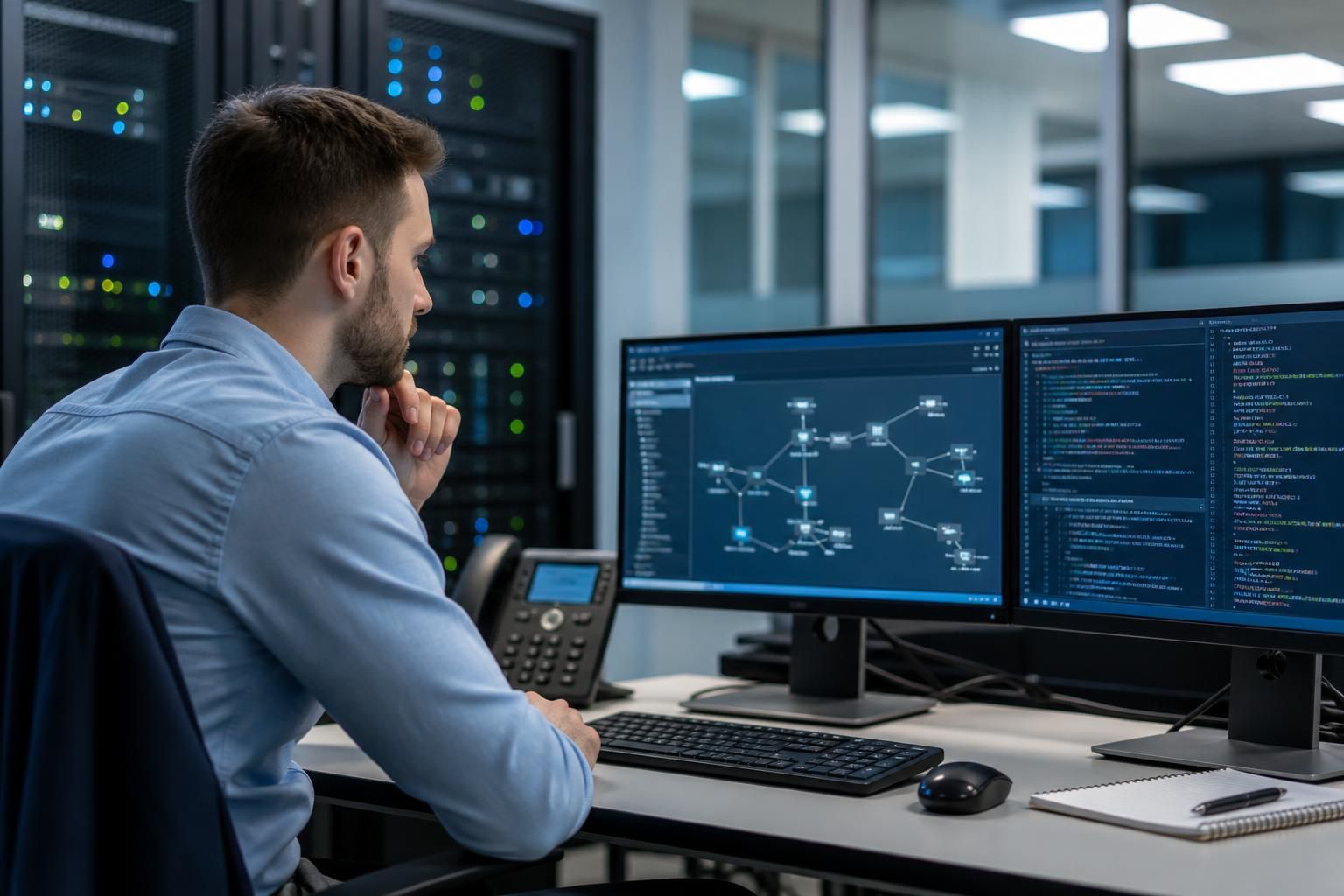
IT Support and Networking
IT support and networking combines technical assistance with the design, maintenance and management of business networks. S2 Technology Group supports cloud environments, connectivity, security and infrastructure so organisations can manage devices, users and data reliably as systems develop.
Business Outcomes of Effective IT Support and Networking
Effective IT support and networking helps businesses maintain consistent access to systems, control security risks and support staff productivity. The following outcomes show how structured management can improve day-to-day operations without requiring every technical decision to be made internally.
More consistent access to business systems
Structured network management helps maintain dependable connections between users, devices, applications and shared resources, reducing avoidable disruption to routine work.
Clearer control over users and devices
Documented network configuration and managed access make it easier to understand which devices and users are connected, what they can access and where changes are needed.
Stronger protection for business data
Network security controls, monitored infrastructure and well-managed access points help reduce exposure to unauthorised access, misconfiguration and common digital threats.
Better support for remote and multi-site working
Secure connectivity and remote access arrangements allow authorised staff and locations to use the systems they need while keeping access governed by business requirements.
Fewer technology bottlenecks
Reviewing network capacity, device performance and infrastructure design helps identify constraints that can slow applications, collaboration and data movement.
Technology that can develop with the organisation
Scalable network design gives businesses a clearer basis for adding users, devices, locations and cloud services without treating every change as a separate technical project.
More informed infrastructure decisions
Ongoing technical oversight provides a practical view of network condition, security requirements and future needs, helping decision-makers prioritise upgrades and improvements.
People-Focused IT Support and Networking
IT support and networking is the coordinated management of how people connect to business systems, devices and shared data. It combines technical oversight with an understanding of working practices, so recommendations reflect the organisation rather than an abstract technical model.
S2 Technology Group works with clients to clarify priorities, explain technical choices in plain language and document decisions. This gives business leaders useful context when weighing access arrangements, infrastructure changes or the introduction of new tools.
Practical support can involve reviewing user access, checking network dependencies and helping staff adapt to changed systems. By keeping communication open and advice proportionate, S2 supports informed decisions without making technology harder to understand.

Specialist Expertise in IT Support and Networking
IT support and networking is the planned management of the systems that connect users, devices, applications and data. It network maintenance covers configuration, performance and security dependencies, while IT server management addresses the platforms that host shared services and business information.
S2 Technology Group applies this work across cloud environments, on-premises infrastructure and hybrid arrangements, considering how each component affects access, resilience and security. This joined-up approach helps identify underlying causes rather than treating recurring faults as isolated incidents, and supports infrastructure decisions that remain appropriate as an organisation develops.
Effective IT support and management also depends on disciplined documentation, controlled change and clear technical standards. S2 provides informed guidance on network design, server configuration, user access and security controls, giving business leaders a sound basis for prioritising improvements and assessing the operational implications of different solutions.
Questions to Ask Before Choosing IT Support and Networking
How should network resilience be tested?
A sound arrangement should specify scope, ownership, escalation routes, security responsibilities, change controls, reporting, supplier coordination and review points, ensuring both parties understand what support includes and excludes in practice.
How are legacy systems handled during network upgrades?
Legacy systems should be mapped for dependencies, compatibility and data formats before changes begin. Where replacement is impractical, integration, isolation or phased migration can preserve operations while reducing upgrade risk.
Which network dependencies affect critical business services?
Dependencies include identity services, DNS, internet connectivity, power, storage, authentication, line-of-business applications and supplier links. Mapping ownership and failure impact helps prioritise safeguards, testing and recovery procedures across critical operations.
How is IT support adapted for multi-site organisations?
Multi-site support combines standard policies with site-specific requirements, considering connectivity, local equipment, user access and operational differences. Central oversight improves consistency while allowing appropriate controls and configurations at each location.
What safeguards should remote access include?
Remote access safeguards should combine multi-factor authentication, device compliance checks, least-privilege permissions, encrypted connections, session logging and removal of inactive accounts. Policies should be reviewed when roles or systems change.
Cloud Expertise
S2 combines cloud, connectivity, security and infrastructure expertise into one coordinated approach to business IT support and networking management services.
Organisations Supported with IT and Networking
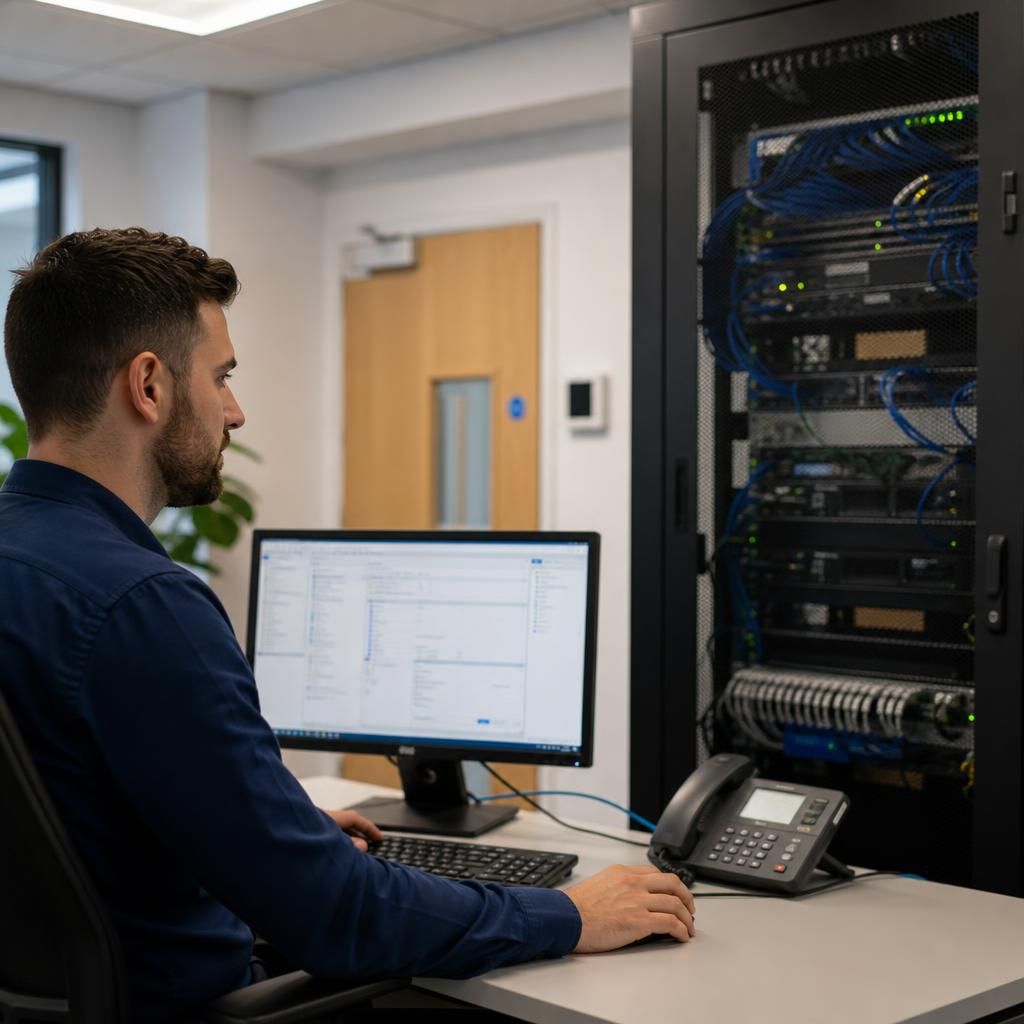
Professional Services Networks
Professional services organisations depend on dependable access to shared documents, business applications and secure communications. IT support and networking in this environment involves managing user devices, permissions, wireless access and connections between office and cloud-based systems.
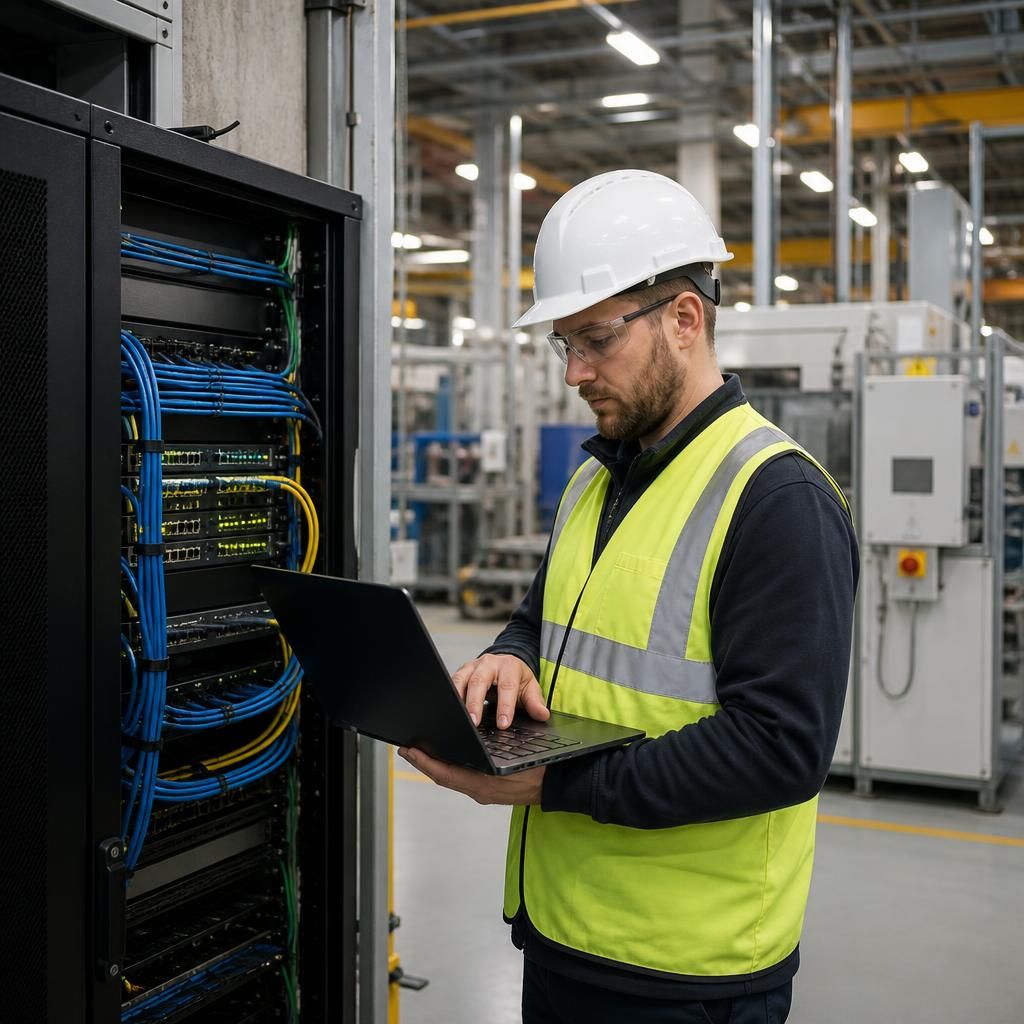
Manufacturing IT Infrastructure
Manufacturing businesses often need office systems and operational technology to work alongside each other without unnecessary disruption. Networking support can include reviewing connections, separating appropriate network traffic and maintaining clear documentation for devices, users and dependencies.

Logistics Connectivity
Logistics organisations rely on consistent connectivity for coordination, administration and access to operational information. An effective networking approach considers office locations, mobile users, shared systems and the security controls needed to protect business data as people and devices connect from different places.

Multi-Site Business Systems
Organisations operating across more than one site need networks that support communication, shared applications and consistent access arrangements. IT support can assess how locations connect, how users are authenticated and where infrastructure changes may improve manageability without adding unnecessary complexity.
When Businesses Need IT Support and Networking
Different operating environments create distinct IT support and networking requirements. The situations below show how cloud IT support, network maintenance and server management may apply to office-based teams, distributed users, growing organisations and businesses coordinating systems across multiple sites.
No In-House IT Team
Small and medium-sized businesses may need dependable technical guidance without employing a dedicated internal IT department. Managed IT support and networking can provide structured assistance with devices, user access, connectivity and infrastructure decisions.
New Starters and Departures
Changes in personnel require suitable access to business systems and the removal of permissions that are no longer needed. IT support can help coordinate account setup, device configuration and access reviews as roles change.
Office Moves and Expansion
Moving premises or adding workspace affects cabling, network equipment, internet connectivity and device arrangements. Planning these dependencies before the change helps reduce disruption and creates a clearer infrastructure plan.
Unreliable Connectivity
Slow or inconsistent connections can affect cloud applications, voice services, shared files and remote access. Network support can examine the connection, internal equipment and configuration to identify where improvement or replacement may be appropriate.
Complex Technical Environments
Organisations using a mixture of cloud services, local equipment and remote connections may find it difficult to understand how systems depend on one another. A structured review can map these relationships and inform support, security and upgrade decisions.
Older Infrastructure
Legacy servers, network equipment and unsupported systems can introduce maintenance difficulties and restrict future changes. IT support and networking advice can assess the existing environment and help prioritise practical infrastructure improvements.
IT Support and Networking FAQs
How does cloud IT support work with on-site networks?
Effective support begins with mapping users, devices, applications and dependencies, then establishing appropriate access controls, maintenance routines and escalation paths before changes are introduced or problems investigated across the organisation.
What does effective IT server management involve?
Effective server management covers operating system updates, security controls, storage capacity, backups, performance monitoring and hardware lifecycle planning. It documents dependencies and recovery procedures, supporting application access and data availability.
What should IT network maintenance include?
IT network maintenance includes monitoring connectivity, reviewing configurations, updating network devices, checking capacity, removing obsolete equipment and testing resilience. Records of changes help identify faults and plan improvements over time.
What should businesses look for in IT support and networking?
Businesses should assess technical expertise, security governance, documentation, scalability and clearly defined responsibilities. Evidence of structured monitoring, useful reporting and advice aligned with operational requirements indicates a suitable technology partner.
How should businesses plan IT support and networking for new applications?
Planning new applications requires checking compatibility, dependencies, identity, data flows and capacity before deployment. IT support and management should then document configuration, test access, monitor performance and review security controls.
Discuss Your IT Support and Networking Requirements
Discuss your IT support and networking requirements with S2 Technology Group to identify practical priorities for cloud systems, connectivity, access and infrastructure. An initial conversation can help clarify which support and management arrangements fit your organisation.