
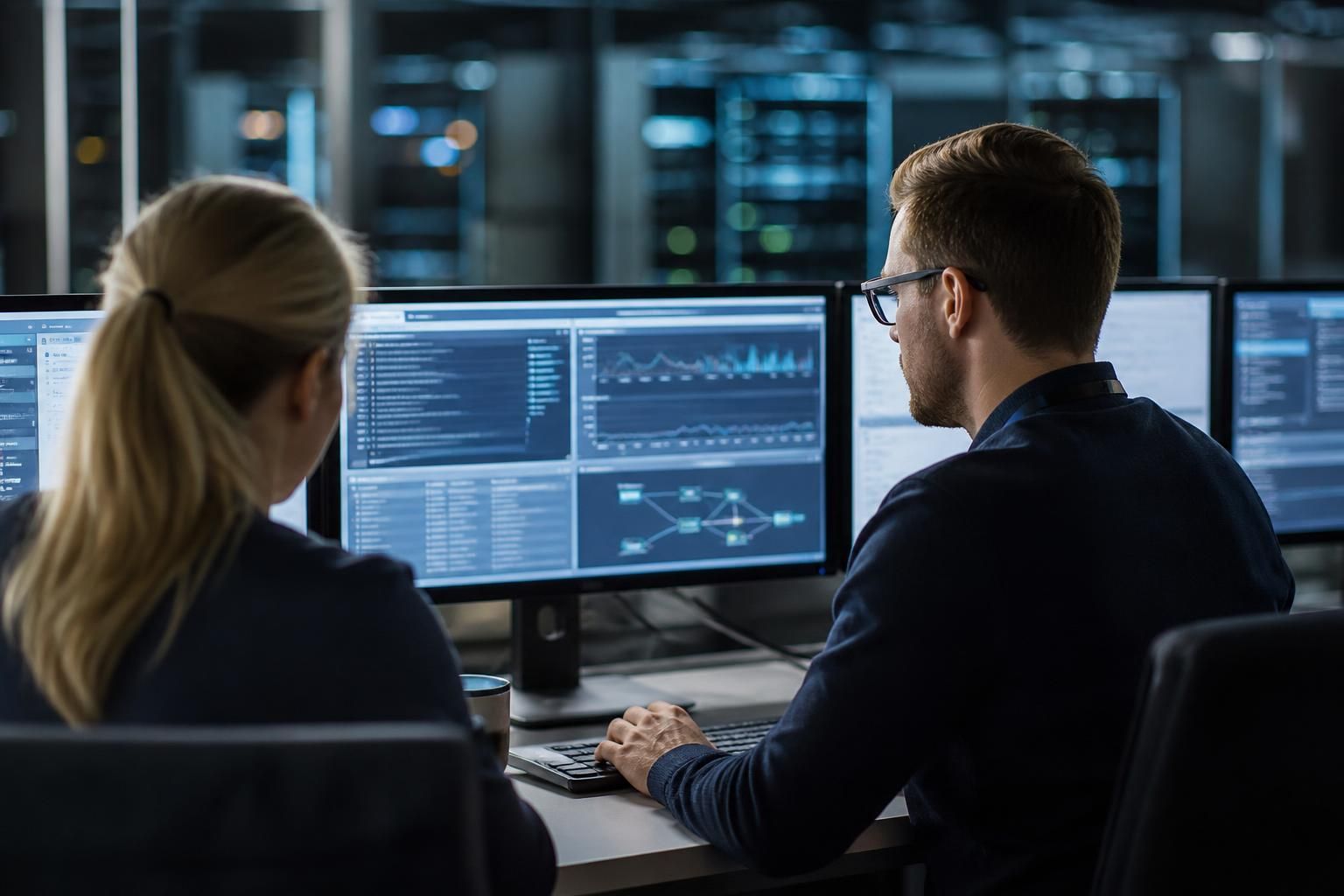
Remote Monitoring Services
Remote monitoring services use software to observe servers, devices, networks and key systems for faults, performance issues and security indicators. S2 Technology Group’s managed IT monitoring helps identify changes, generate alerts and guide corrective action before disruption affects business operations.
Benefits of Remote Monitoring Services
Effective remote monitoring turns technical information into practical operational improvements. It can help organisations maintain service continuity, understand system health, manage capacity and make better-informed decisions about maintenance, security controls and future technology investment.
Earlier identification of faults
Monitoring can detect unusual activity, failed services and device problems before they become more significant operational issues. This gives the IT team clearer information for investigation and corrective action.
Better service continuity
By highlighting developing issues across servers, networks and business devices, remote monitoring supports intervention before a technical fault causes wider disruption to users or essential systems.
Clearer system health information
Collected monitoring data provides an ongoing view of performance and operational status. This helps organisations understand whether systems are functioning as expected and identify recurring problem areas.
More informed capacity planning
Performance and usage trends can show where infrastructure is approaching its practical limits. Organisations can use this information to plan upgrades and resource changes based on evidence rather than assumptions.
Prioritised maintenance decisions
Alerts and system data help distinguish routine maintenance from issues that need more immediate attention. This supports a structured approach to patching, troubleshooting and infrastructure management.
Additional security visibility
Monitoring can identify selected security indicators and unusual changes within the environment. These observations give the IT team useful context when reviewing security controls and investigating potential risks.
The People Behind Your Remote Monitoring
Remote monitoring combines technical data with professional judgement: software records system conditions, while specialists interpret what the information means for your organisation. This distinction matters because an alert is an indication to investigate, not proof that a service has failed.
People review patterns, assess whether a change is expected and separate meaningful issues from background noise. They consider planned maintenance, user activity and connected systems before recommending a practical next step. This context helps avoid treating every notification as an emergency.
S2 Technology Group uses monitoring within a wider support relationship, keeping discussions focused on your systems and working practices rather than presenting unexplained technical reports. You can ask why an alert matters, what evidence supports a recommendation and whether a longer-term adjustment is appropriate.
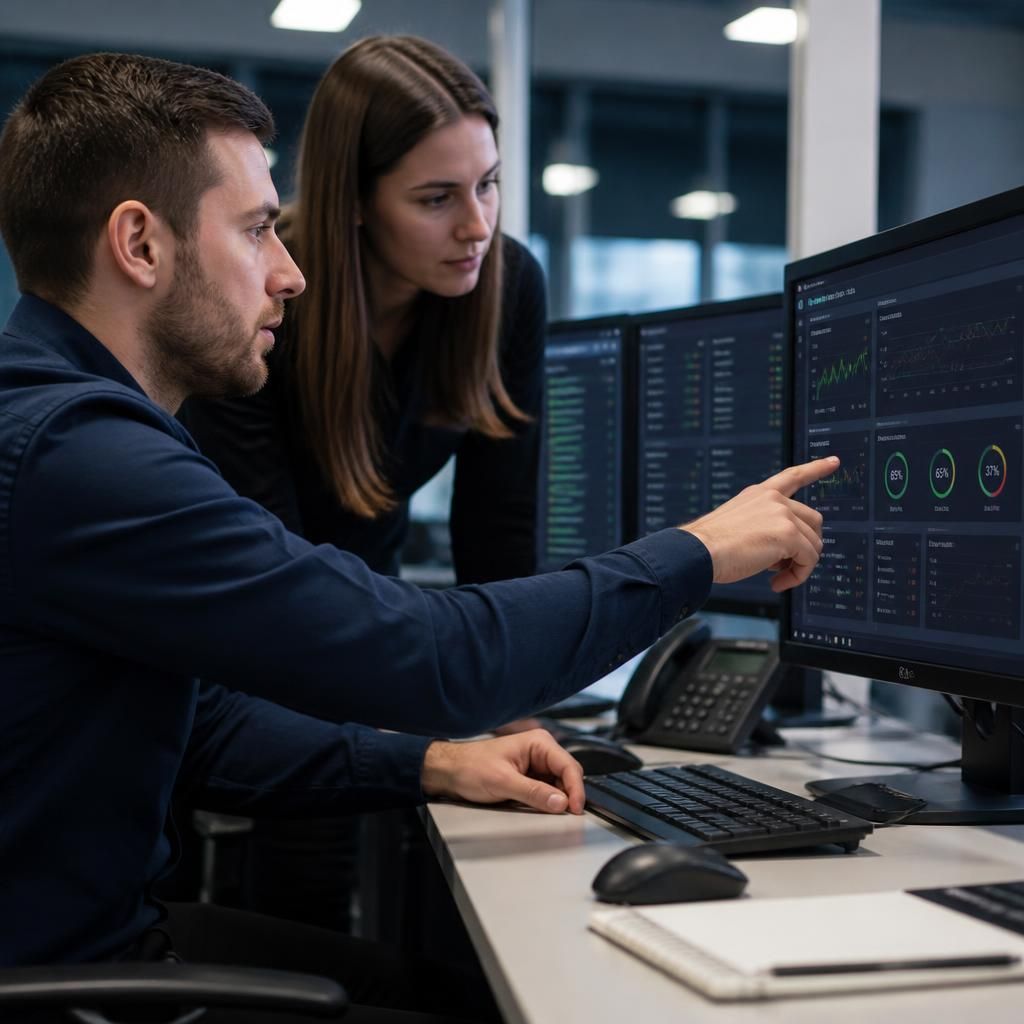
Specialist Expertise in Managed IT Monitoring
Remote monitoring services are an operational control for measuring the condition of business technology and directing appropriate maintenance. Effective implementation depends on selecting meaningful data sources, establishing suitable thresholds and distinguishing normal variation from indicators that require investigation.
S2 Technology Group considers monitoring as part of the wider service design rather than as an isolated software function. Its specialists can assess which infrastructure components, dependencies and business-critical services should be included, then align monitoring policies with operational priorities, security requirements and planned change.
This structured approach also supports better technical governance. Monitoring records can inform maintenance planning, capacity reviews, configuration decisions and discussions about infrastructure improvements, giving organisations a clearer evidence base for managing technology as it develops.
Questions to Ask About Remote Monitoring Services
How is access to remote monitoring data controlled?
Assess how alerts are prioritised, who reviews them, what evidence is retained, and how monitoring data informs maintenance. Clear ownership and documented escalation usually matter more than software features alone.
How are false positives reduced in remote monitoring?
Use baseline data, maintenance calendars, dependency awareness and sensible thresholds to distinguish expected activity from anomalies. Review alert history regularly, then refine rules so recurring, non-actionable notifications do not obscure genuine faults.
Which systems should remote monitoring cover?
Select coverage according to business dependencies: endpoints, identity services, core applications, connectivity, storage, backup platforms and security controls. Prioritise components whose failure would interrupt operations or compromise access to critical data.
How is remote monitoring adapted as your technology environment changes?
Review monitoring coverage after infrastructure changes, application migrations, office moves or supplier alterations. Update dependencies, thresholds, credentials and ownership records, then test alert pathways to confirm continued relevance and accuracy.
How is remote monitoring integrated with IT support?
Integrate monitoring with the service desk so validated alerts create actionable tickets, include diagnostics and link to asset records. Support staff can investigate, remediate, document outcomes and identify recurring issues.
Expert Oversight
Combining technical monitoring with expert interpretation, S2 turns system alerts into context-led decisions supporting secure, practical and informed technology management.
Organisations Supported by S2 Technology Group
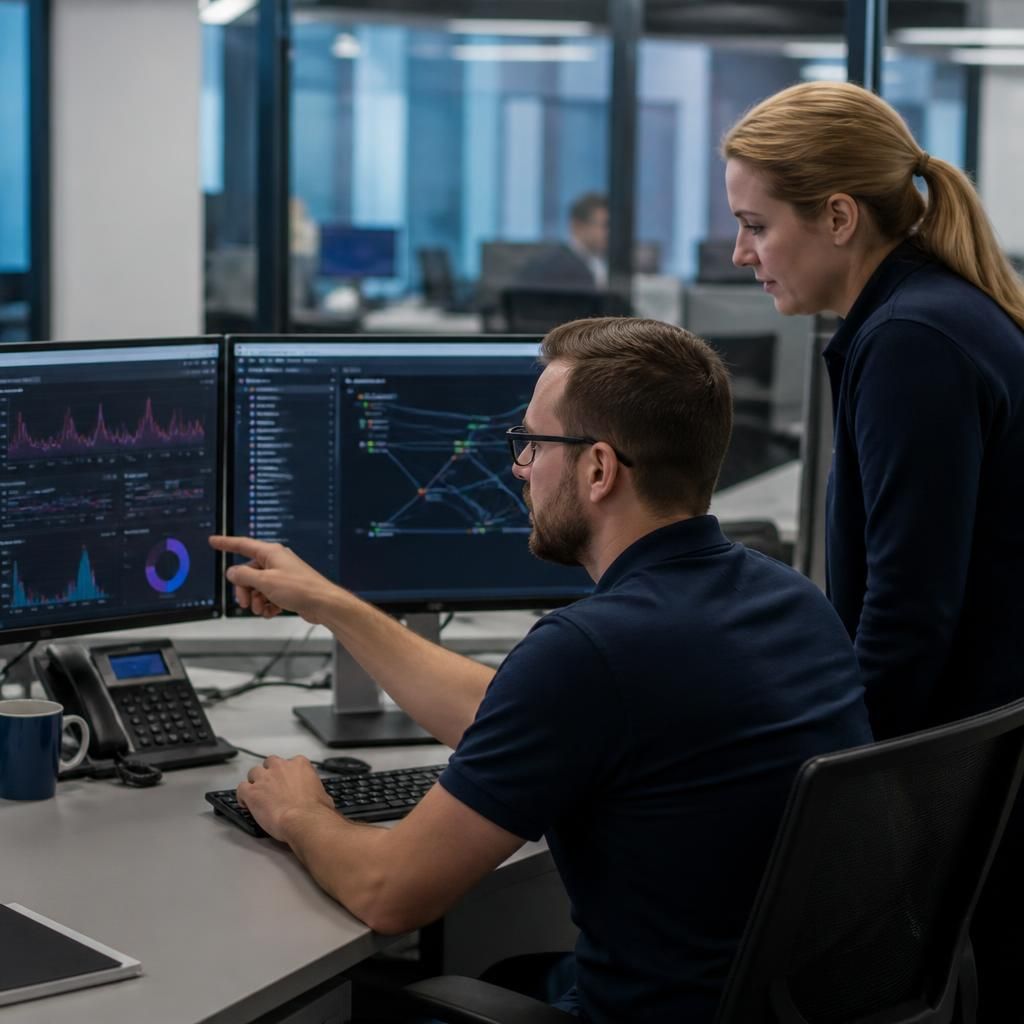
Professional Services Firms
Professional services organisations depend on accessible files, business applications and dependable user devices. Remote monitoring can help identify device faults, storage concerns and unusual system conditions that may affect routine work.

Manufacturing Businesses
Manufacturers often rely on a combination of office systems, production-related technology and networked devices. Monitoring provides technical visibility across these connected environments, helping teams investigate faults and performance changes with greater context.
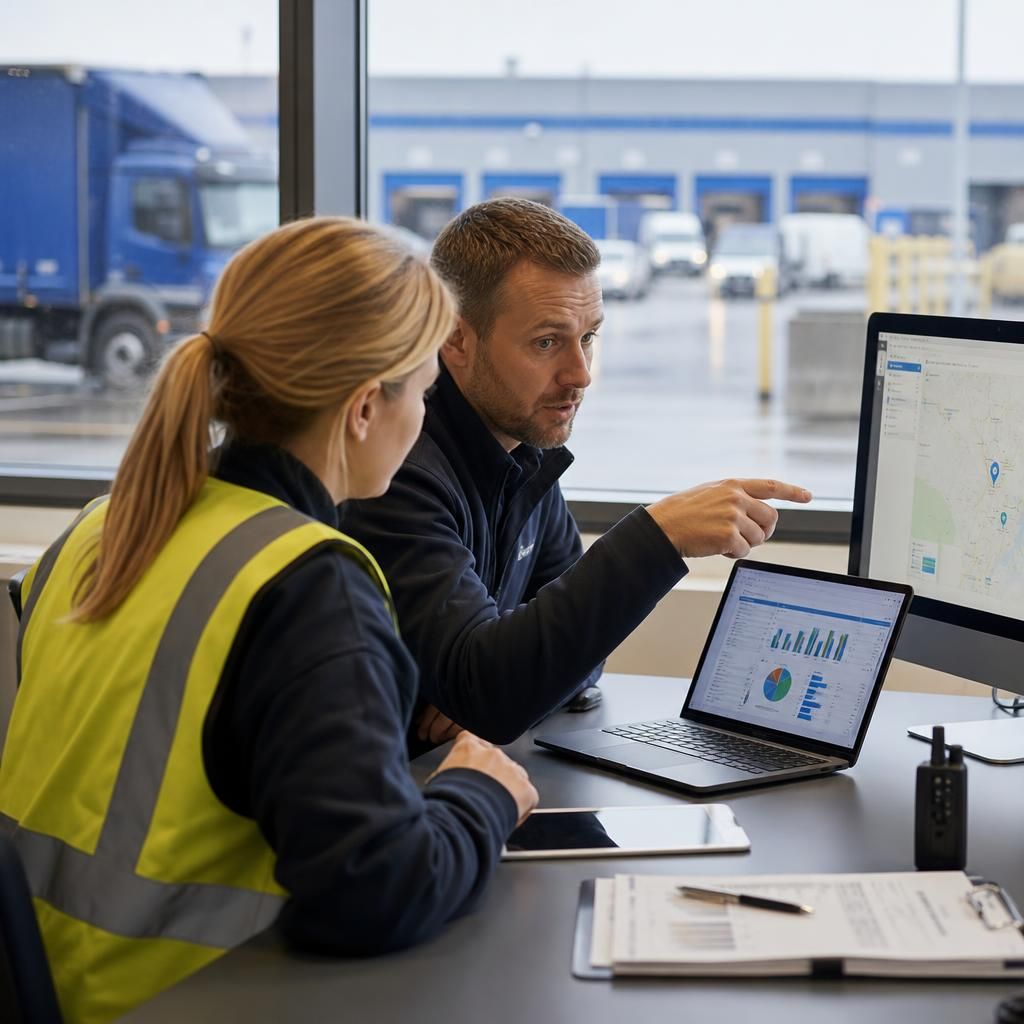
Logistics Organisations
Logistics businesses use interconnected systems to coordinate people, information and operational activity. Remote monitoring helps highlight issues affecting servers, network equipment and key devices before they become difficult to trace.
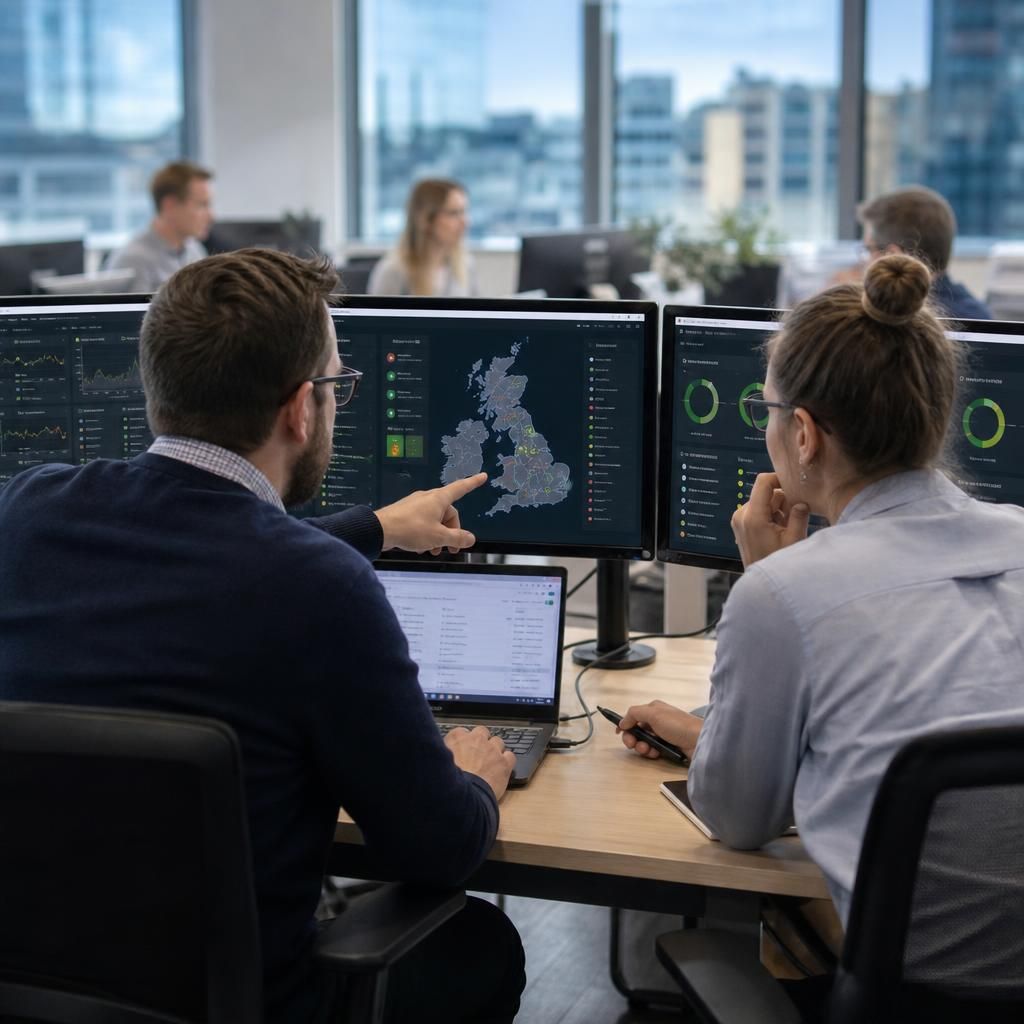
Multi-Site Businesses
Organisations operating across several locations need a consistent view of their technology environment. Centralised remote monitoring can bring system alerts and device information together, supporting more structured oversight across offices and sites.
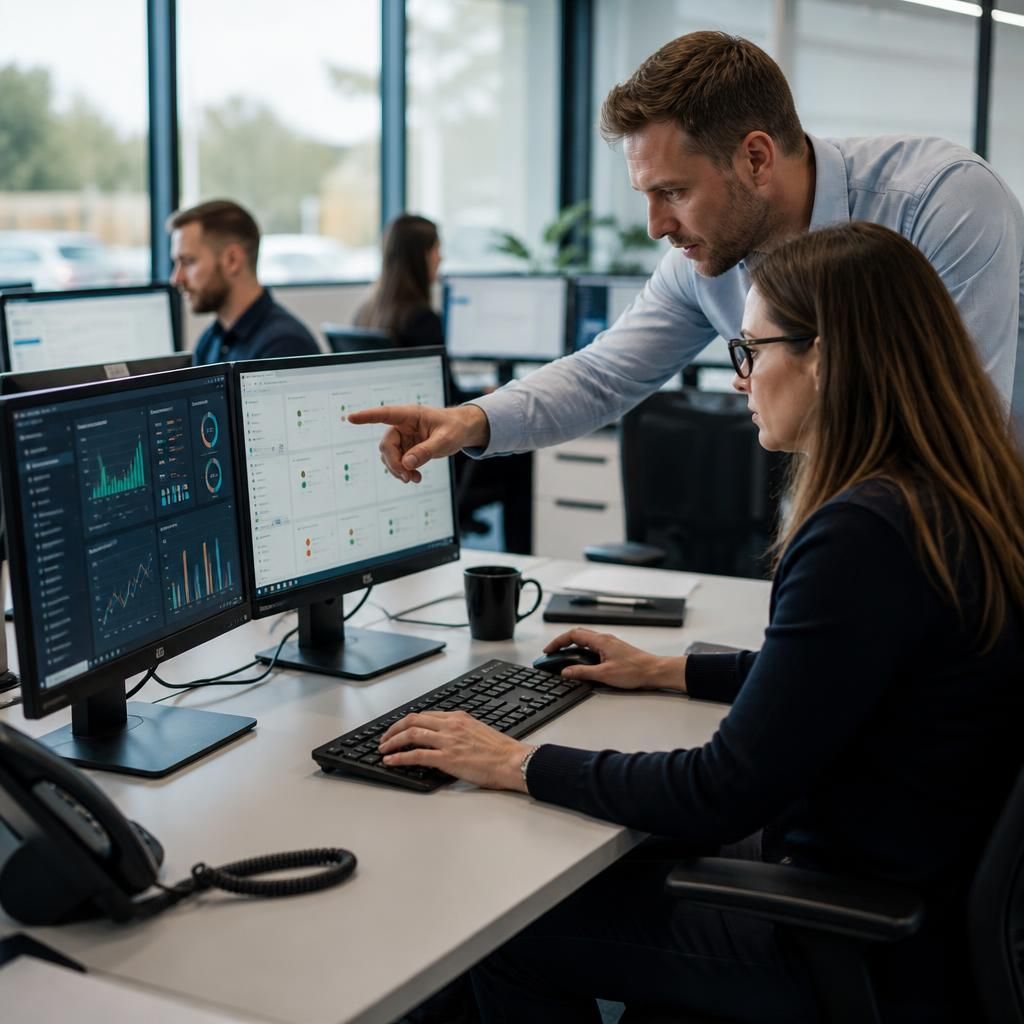
Growing Organisations
As an organisation expands, its technology estate may include more users, devices, applications and access points. Monitoring helps establish clearer visibility of system condition so that developing technical issues can be assessed alongside business growth.
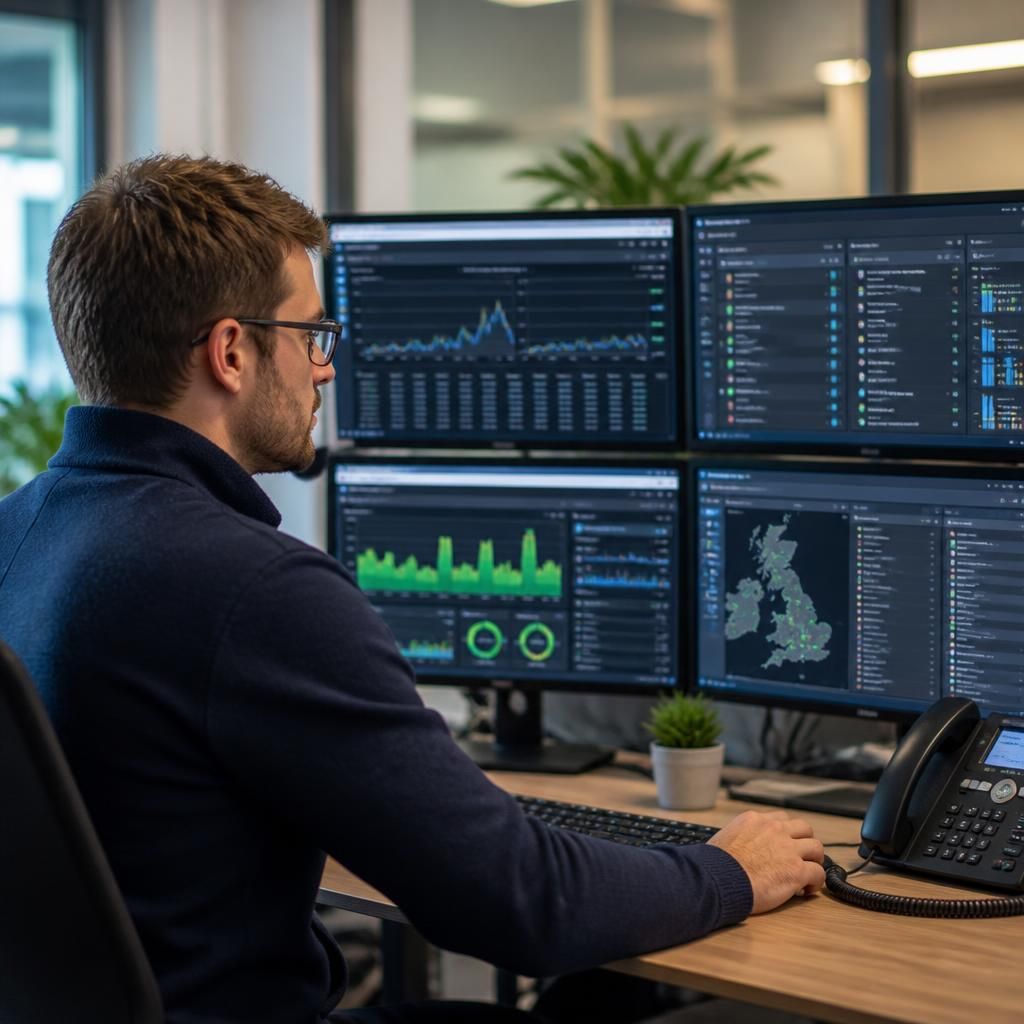
Businesses Without a Full In-House IT Team
Small and medium-sized businesses may need technical insight without maintaining a large internal IT function. Remote monitoring adds ongoing visibility of infrastructure and creates useful evidence for discussing maintenance, risks and appropriate next steps with an IT partner.
Where Remote Monitoring Fits
Remote monitoring is suited to organisations that need consistent visibility across distributed equipment, limited internal IT capacity, compliance-focused oversight, or evidence for troubleshooting. It can support planned maintenance, capacity reviews and investigation of recurring technical issues.
Distributed Offices And Sites
Remote monitoring provides a consistent view of servers, networks and devices across multiple locations, helping teams compare system conditions without relying on separate manual checks at each site.
Limited Internal IT Capacity
Organisations without a full in-house IT team can use monitoring to maintain visibility of important systems while technical specialists review alerts and help determine suitable follow-up action.
Planned Infrastructure Changes
Monitoring can record system conditions before and after upgrades, configuration changes or maintenance, providing useful evidence when assessing whether an adjustment has had the intended effect.
Recurring Technical Issues
When a fault appears intermittently, monitoring data can help identify patterns across devices, services and network activity, supporting a more evidence-based investigation.
Security And Compliance Oversight
Monitoring can highlight relevant changes and security indicators for review, helping organisations maintain a clearer record of system conditions where oversight and documented evidence matter.
Remote Monitoring Services: Common Questions
How can remote monitoring support compliance requirements?
Monitoring usually records operational information such as device status, resource use, connectivity and event logs; configuration should limit collection to what supports administration, troubleshooting, security review, reporting and business needs.
How are remote monitoring alerts investigated?
Alerts are investigated by validating the trigger, checking relevant logs and configuration, assessing affected systems and dependencies, then classifying the issue as genuine, benign or requiring planned corrective action work.
What information does remote monitoring provide for capacity planning?
Monitoring provides historical trends in utilisation, storage, memory, bandwidth and device growth. Reviewing these patterns helps identify constraints, forecast requirements and schedule upgrades before capacity limits affect operations or performance.
How are remote monitoring reports used in service reviews?
Reports support service reviews by summarising monitoring coverage, changes, open issues and recommended actions. They provide a structured basis for discussing priorities, configuration decisions and whether agreed improvements remain appropriate.
What is needed to set up remote monitoring?
Setup typically requires an inventory of monitored systems, suitable monitoring software, secure administrative access, defined thresholds, alert recipients, maintenance exclusions and agreement on reporting, escalation, data-handling requirements and ownership.
Discuss Your Remote Monitoring Requirements
Discuss your monitoring requirements with S2 Technology Group to clarify which systems need oversight, how alerts should be assessed and what information supports useful decisions. Enquire today for practical guidance suited to your organisation’s technology environment.