

Small Business IT Support
Small business IT support provides practical management of devices, users, systems and security for organisations without a full in-house IT team. S2 Technology Group combines technical assistance with proactive guidance, cloud solutions and cyber security measures to support dependable operations.
Outcomes of Small Business IT Support
The practical value of managed small business IT support is reflected in outcomes such as clearer technology ownership, consistent security controls, better user support, and more structured planning for future requirements.
Clearer IT Ownership
A defined support structure gives your organisation a clear point of responsibility for devices, accounts, systems and technology-related decisions, reducing uncertainty when an issue or change arises.
Consistent User Support
Staff can follow an organised process for reporting technical problems, requesting assistance and resolving common issues, helping them use business systems more effectively.
Stronger Security Controls
Managed support can apply consistent measures across user accounts, devices and access permissions, helping reduce avoidable weaknesses and support a more secure working environment.
More Reliable Cloud Access
Cloud services and remote access can be configured and managed as part of the wider IT setup, giving users a more structured way to work with the systems and information they need.
Better-Controlled Technology Changes
Planned updates, infrastructure improvements and system changes can be assessed before implementation, reducing the risk of unmanaged changes affecting day-to-day operations.
A More Scalable IT Foundation
Documented systems and structured management make it easier to review technology requirements as the organisation grows, adds users or changes how it operates.

The People Behind Your Small Business IT Support
Small business IT support is a people-led service connecting technical decisions with how an organisation works. The team listens to staff, considers business context and explains practical options in clear language, rather than treating every request as an isolated fault.
This approach helps employees understand what is changing and why. Clear communication makes it easier to raise concerns, follow agreed processes and adapt when systems or working practices are updated.
Behind each request is a team that shares knowledge, records relevant details and keeps technology decisions understandable. That combination of technical judgement and personal attention supports growing organisations as responsibilities, teams and requirements develop.
Specialist Expertise in Small Business IT Support
Small business IT support is most effective when technical decisions are assessed against operational risk, regulatory responsibilities and planned growth. S2 Technology Group applies this broader view to user access, endpoint management, cloud services, connectivity and cyber security, helping ensure that individual technology choices form part of a coherent IT strategy.
Its specialist approach considers the full technology lifecycle: assessing existing systems, identifying weaknesses, prioritising remedial work and documenting the controls needed to manage them. This is particularly relevant to professional services, accounting firms, manufacturing, logistics and multi-site organisations, where access, availability and information protection must be considered together.
For a small or medium-sized organisation, experienced IT guidance also provides a basis for informed decisions about support arrangements, infrastructure upgrades and future investment. S2 Technology Group combines hands-on technical knowledge with structured planning, giving business leaders a clearer framework for evaluating risks and developing dependable IT services.
Questions to Ask About Small Business IT Support
How does small business IT support manage access when an employee leaves?
Assess whether the provider defines included services, exclusions, escalation routes, user limits, project work, and additional charges clearly. This prevents apparently low support prices from obscuring gaps in coverage later.
How is cyber security built into small business IT support?
It is built through controlled access, device protection, software updates, backup oversight, security monitoring and user guidance. These measures should be documented, reviewed regularly and linked to identified business risks.
How are software licences managed in small business IT support?
Effective software licence management records entitlements, renewals, assignments and usage against each organisation's requirements. It reduces orphaned accounts, supports budgeting and helps ensure users access approved applications without unnecessary duplication.
What reporting should small business IT support provide?
Useful reporting summarises ticket trends, recurring faults, device and user issues, outstanding risks, completed improvements, and planned actions. It should distinguish operational data from recommendations, enabling informed business management decisions.
How does small business IT support manage new starter onboarding?
A structured onboarding process creates accounts, assigns appropriate permissions, prepares equipment, applies required policies and records handover details, helping new employees begin work with consistent, documented access from the outset.
Joined-Up Support
Combining technical support, cyber security, cloud and connectivity guidance in one coherent IT service gives organisations a single technology partner.
Businesses We Support
Professional Services Firms
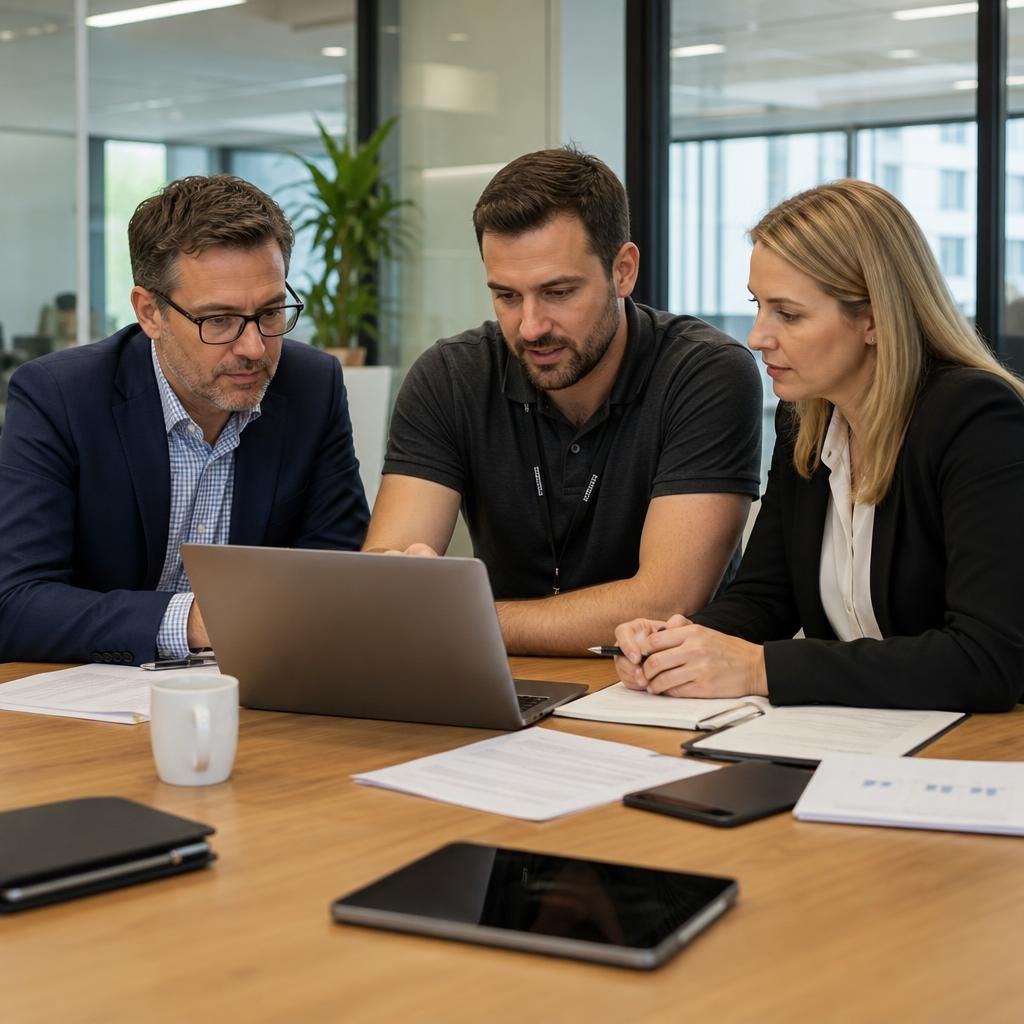
Legal, financial and consultancy practices depend on secure access to client information, dependable communication tools and well-managed user devices. Small business IT support can help align these systems with staff roles, data protection requirements and day-to-day workflows.

Manufacturing Businesses
Manufacturers often rely on a combination of office technology, operational systems and connected devices. Structured IT support helps businesses manage users, connectivity, security controls and infrastructure changes without placing every technical responsibility on production or administrative staff.
Logistics Operators
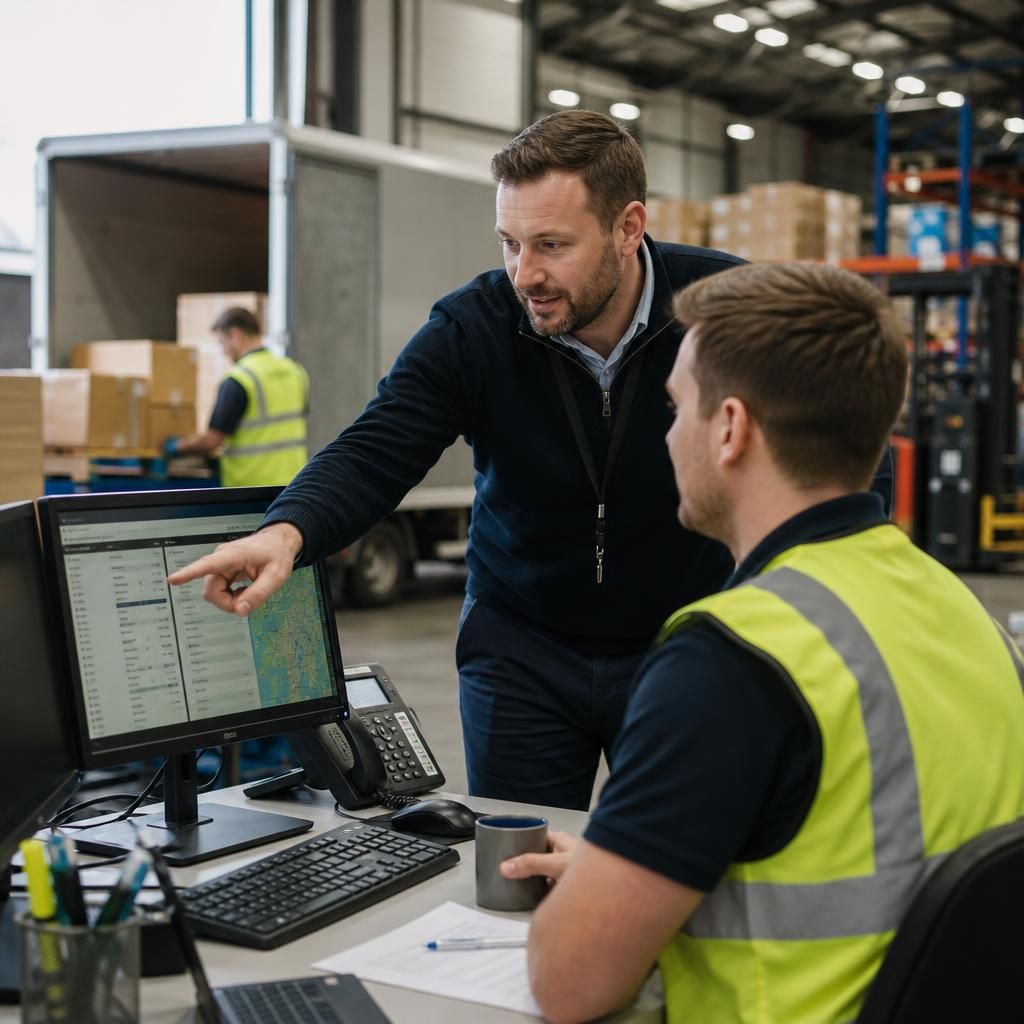
Logistics organisations need reliable access to systems used for planning, communication, stock management and coordination across teams. IT support can provide consistent management of devices, accounts, connectivity and cyber security across these connected working practices.

Multi-Site Organisations
Businesses operating from more than one location need technology policies and support processes that work consistently across sites. Small business IT support can help coordinate user access, cloud services, connectivity and security while accounting for the needs of each workplace.
Small Business IT Support for Different Working Environments
Small business IT support can be adapted to different operational situations, including business growth, office changes, cloud adoption, cyber security reviews and the need to formalise helpdesk processes. The suitable arrangement depends on staff requirements, existing infrastructure and planned development.
Distributed and Hybrid Teams
Small business IT support can help organisations manage laptops, user access and remote connections when employees work across office and home locations. Consistent device and account management helps keep working practices aligned across different environments.
Multi-Site Businesses
Businesses operating from more than one premises may need consistent support for networks, devices, permissions and shared systems. A coordinated approach makes it easier to apply the same technical standards across offices, workshops or operational sites.
Growing User Requirements
As teams change, IT support can cover practical tasks such as setting up users, reviewing access rights and preparing equipment for new responsibilities. This helps ensure technology arrangements reflect how staff actually work.
Infrastructure Improvements
Small businesses may need guidance when replacing ageing equipment, improving network infrastructure or connecting existing systems with newer services. Support can help assess compatibility, plan changes and reduce disruption during technical projects.
Mobile and Field-Based Work
Organisations with staff who travel between customers, sites or operational locations need dependable access to the systems and information relevant to their roles. IT support can help coordinate mobile devices, secure connections and suitable access arrangements.
Small Business IT Support Questions and Answers
What does small business IT support include?
Small business IT support costs depend on user numbers, required services, device complexity, security requirements and existing systems. Comparing inclusions, exclusions and contract terms gives a clearer assessment of suitability.
When should a small business outsource IT support?
Outsourcing is appropriate when internal staff lack the capacity or specialist expertise to manage users, devices, security and infrastructure, particularly during growth, technology changes or increasing operational complexity and risk.
What should small business IT support cover for remote workers?
It should cover secure remote access, device management, identity controls, collaboration tools, data protection and user guidance, while establishing clear procedures for lost equipment, home networks and changing working locations.
How can small businesses evaluate IT support providers?
Evaluate providers by comparing relevant experience, technical scope, security practices, support processes, documentation, contract terms and escalation arrangements. Ask how they assess risk and align recommendations with specific business priorities.
Can small business IT support help with hardware and device problems?
Yes. Support can diagnose hardware faults, assess device condition, arrange suitable repairs or replacement, configure new equipment, and apply secure settings so users can work reliably within established business processes.