
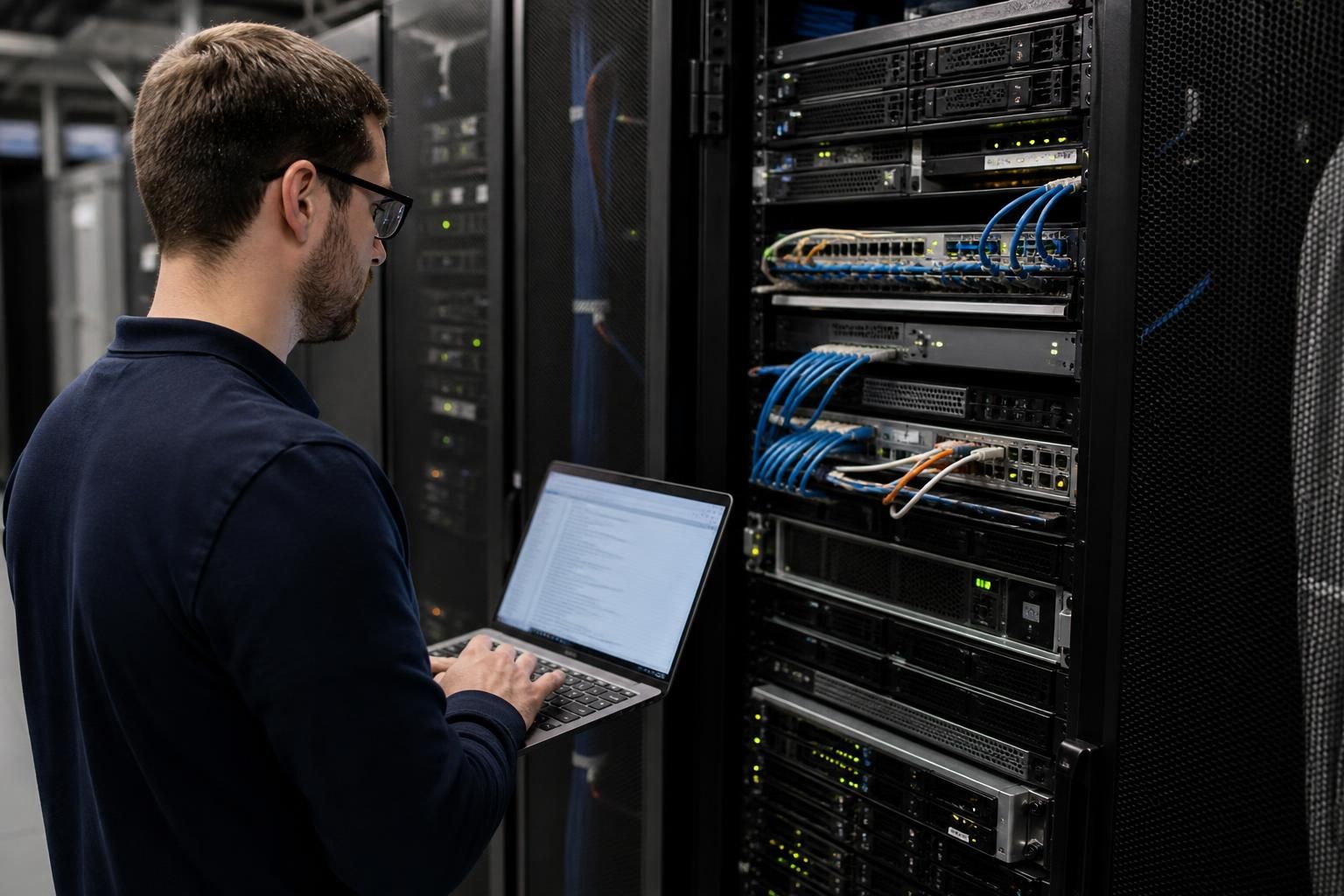
Managed IT Infrastructure Services
Managed IT infrastructure services provide structured oversight of servers, networks, devices, cloud platforms and core systems. S2 Technology Group combines monitoring, maintenance, configuration management and security controls to keep technology aligned with operational requirements as organisations grow.
What Managed IT Infrastructure Services Deliver
Effective infrastructure management produces practical outcomes beyond technical upkeep. It gives businesses clearer oversight, more dependable systems, controlled change and a stronger basis for planning, helping teams manage risk, support users and adapt technology to operational requirements.
Clear Infrastructure Visibility
A managed view of servers, networks, devices, cloud platforms and core systems makes it easier to understand what the organisation relies on, identify dependencies and make informed technology decisions.
Consistent System Configuration
Configuration management applies agreed standards across infrastructure, reducing variation between devices and systems and making technical issues easier to investigate and resolve.
Controlled Technology Changes
Planned changes can be assessed, documented and introduced in a structured way, helping organisations reduce avoidable disruption when updating infrastructure or adding new services.
Stronger Security Controls
Ongoing oversight supports the consistent application of security controls across infrastructure, helping businesses address weaknesses and protect systems that support daily operations.
More Predictable Infrastructure Costs
Regular maintenance and condition monitoring provide a clearer basis for identifying upcoming infrastructure requirements, prioritising upgrades and planning technology investment.
Infrastructure That Supports Growth
Scalable management of networks, devices, cloud platforms and core systems helps technology adapt as teams, locations and operational requirements change.
Better Support for Remote Access
Infrastructure can be configured and managed to support secure access to systems and resources from appropriate locations, while maintaining suitable control over business technology.
The People Behind Your Managed IT Infrastructure
Managed IT infrastructure is the planned care of the technical foundations a business depends on, including how systems are documented, reviewed and changed. The work is not limited to equipment; it also involves understanding how staff, applications and operational priorities connect.
S2 Technology Group takes time to understand that working context before recommending changes. Conversations with business owners and internal teams help distinguish an urgent fault from a wider systems issue, while clear records make decisions easier to review and explain.
That practical approach supports sensible improvement rather than change for its own sake. Advice is shaped around the organisation’s existing arrangements, future plans and risk considerations, with technical work communicated in terms that non-specialists can use when planning budgets, projects and day-to-day operations.
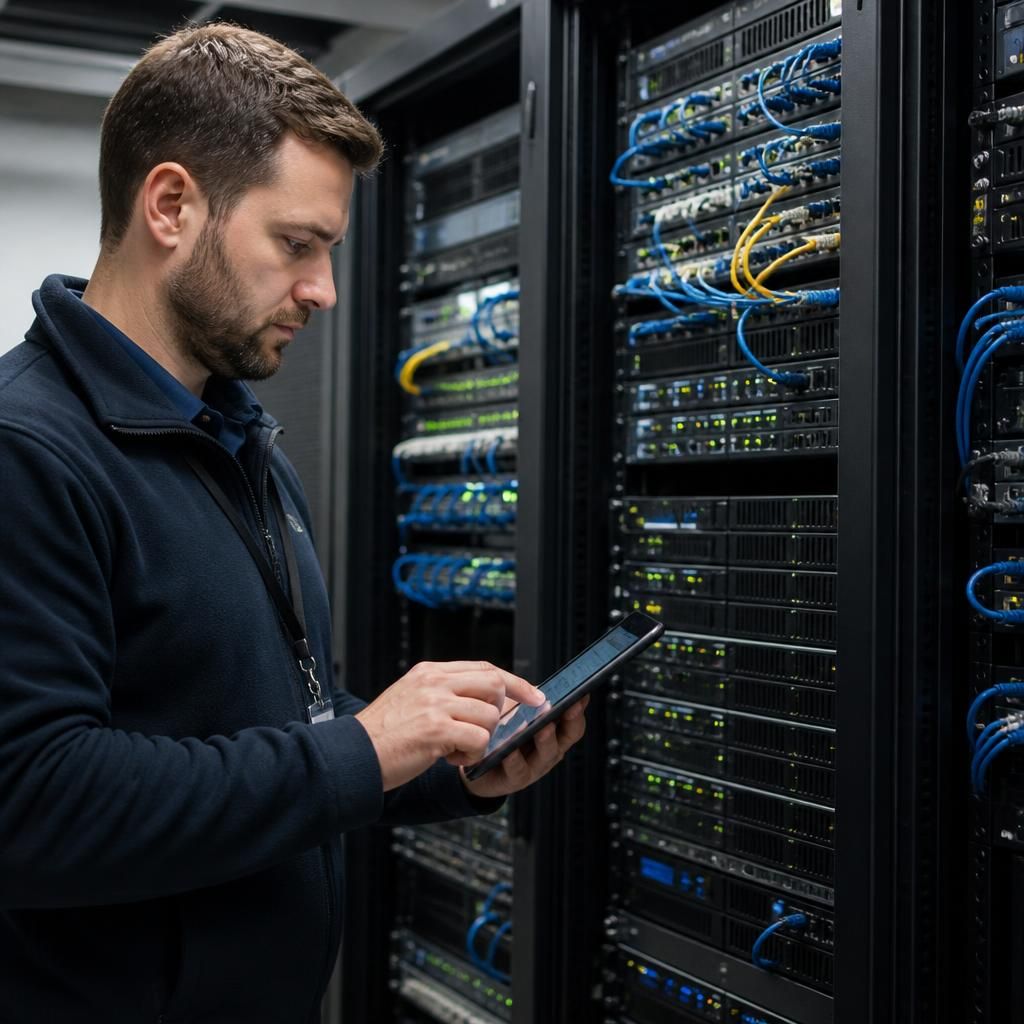
Specialist Expertise in Managed IT Infrastructure
Managed IT infrastructure is the coordinated administration of the systems that support business operations, from physical servers and network equipment to endpoints, cloud resources and core applications. S2 Technology Group applies structured oversight across these components, considering dependencies between systems so that maintenance, configuration changes and upgrades are assessed as part of the wider environment.
Its technical approach includes configuration management, infrastructure monitoring, server maintenance, system integration and lifecycle planning. Maintaining accurate records of assets, settings and relationships helps establish a dependable operational baseline, while regular review identifies outdated components, inconsistent configurations and capacity or security concerns that may affect future plans.
This breadth enables S2 Technology Group to advise on infrastructure decisions with both technical and operational context. Whether an organisation is refining an existing estate, integrating new systems or considering IT infrastructure outsourcing, recommendations can be evaluated against continuity, security, manageability and long-term suitability rather than isolated equipment choices.
Questions to Ask About Managed IT Infrastructure
How is accountability defined for managed IT infrastructure?
Assess documentation practices, change controls, monitoring coverage, security responsibilities, escalation routes and lifecycle planning. A capable provider should explain dependencies clearly and align technical decisions with business risk and priorities.
How is managed IT infrastructure adapted to business growth?
Assess whether new users, sites, applications and devices can be incorporated through repeatable standards, capacity reviews and documented dependencies, without creating unmanaged complexity or weakening security controls across the estate.
How are infrastructure changes tested before they affect production systems?
Look for documented testing in representative environments, including dependency checks, security validation and rollback plans. Approval records and post-change review show whether production changes are fully controlled, traceable and reversible.
How is infrastructure resilience assessed before systems become business-critical?
Assess redundancy across power, connectivity, storage and critical components, then review backup integrity, recovery dependencies, failure scenarios and evidence from exercises to confirm systems can be restored within acceptable constraints.
What should managed IT infrastructure reporting include?
Useful reporting should show monitoring coverage, incidents, unresolved issues, asset and configuration changes, capacity trends, security findings and recommendations. Reports should identify impact, ownership, priorities and next actions clearly.
Operational Context
S2 Technology Group uniquely connects infrastructure oversight with operational context, turning technical management into informed, maintainable technology decisions for businesses.
Organisations Supported by S2 Technology Group

Professional Services Organisations
Professional services firms depend on secure access to documents, collaboration platforms and client information. Managed IT infrastructure provides structured oversight of user devices, networks and permissions, helping technology remain consistent with the firm’s working practices.

Manufacturing Businesses
Manufacturing environments often connect office systems with production equipment, shared files and operational applications. Infrastructure management helps identify dependencies, maintain reliable connectivity and apply suitable controls across the technology used by different teams.
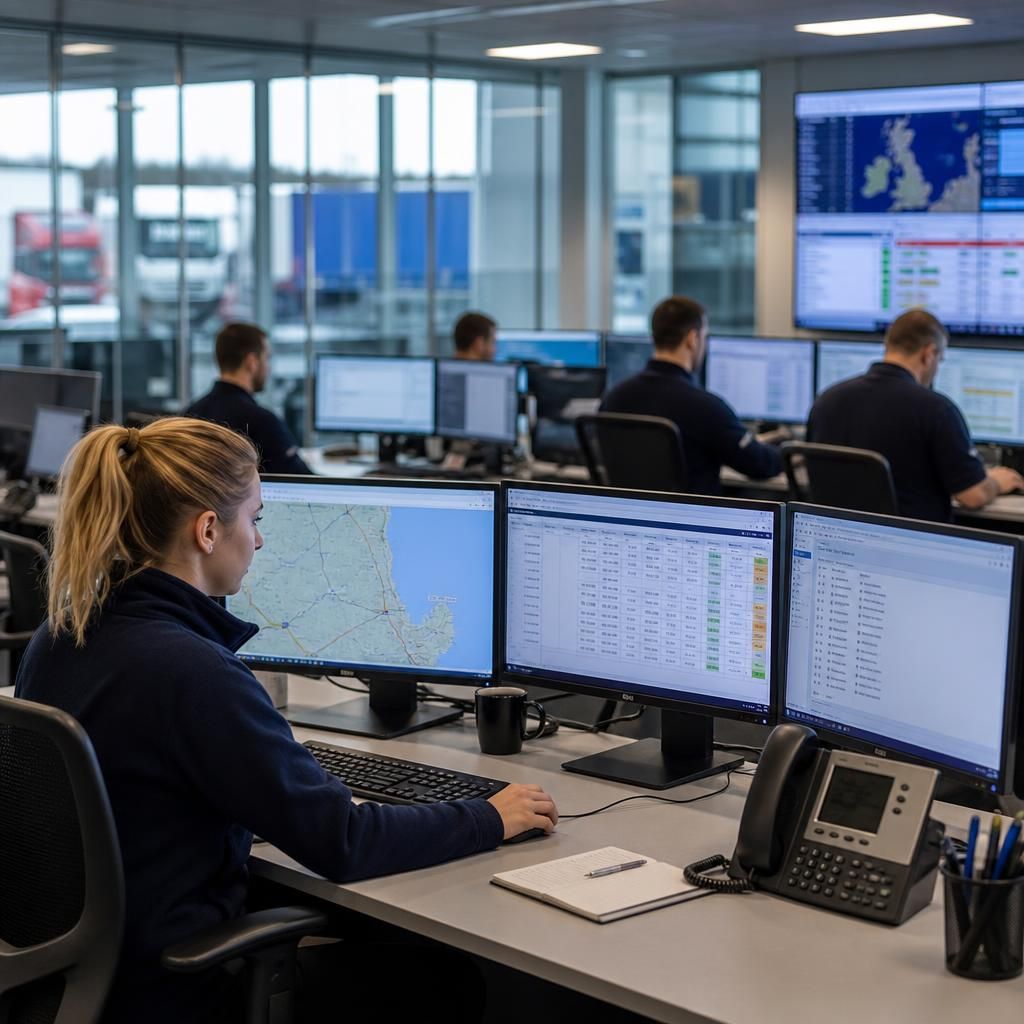
Logistics Operations
Logistics organisations rely on dependable systems for coordination, records and communication between operational staff. A managed infrastructure approach considers device configuration, secure access and connectivity so that technology supports processes across offices, depots and mobile users.

Multi-Site Businesses
Organisations operating from several locations need consistent standards without losing sight of local requirements. Managed IT infrastructure brings together network oversight, device management, access controls and documentation to make differences between sites easier to understand and govern.
Managed IT Infrastructure for Different Business Needs
Different infrastructure pressures call for different forms of management. The following situations show how managed IT infrastructure can support organisations addressing ageing equipment, dispersed users, compliance requirements, system changes or the need for clearer oversight of technical dependencies.
Ageing or Inconsistent Infrastructure
Where servers, network equipment or user devices have been added at different times, managed infrastructure brings configuration, maintenance and documentation into a more coherent structure. This helps identify dependencies and inform decisions about replacement, remediation or continued use.
Growing Organisations
As teams, applications and workloads expand, infrastructure needs to accommodate new users without becoming difficult to manage. Ongoing oversight helps align capacity, access controls and technical standards with planned business development.
Multi-Site Operations
Businesses working across offices, warehouses or other locations need consistent connectivity, device management and security controls. Centralised infrastructure oversight provides a clearer view of how sites connect and where local arrangements may create technical dependencies.
Cloud and Hybrid Environments
When business systems span cloud platforms, local servers and remote access tools, responsibilities and dependencies can become harder to track. Managed infrastructure services bring these components into a coordinated management approach, including configuration review and security considerations.
Infrastructure Upgrades and Change
System migrations, hardware replacements and network changes require more than installation alone. A managed approach considers preparation, configuration, documentation and the effect on connected systems so that technical changes remain aligned with operational requirements.
Greater Control and Accountability
Organisations that need clearer records of assets, configurations and technical decisions can use managed infrastructure services to establish a more consistent oversight process. Documented information supports internal planning, risk reviews and discussions about future technology requirements.
Managed IT Infrastructure Services: Frequently Asked Questions
What does managed IT infrastructure include?
Managed IT infrastructure covers servers, networks, endpoints, cloud connections and supporting systems, with services such as configuration control, patching, maintenance, monitoring, documentation and planned lifecycle management to support business operations.
When should a business consider IT infrastructure outsourcing?
Outsourcing becomes appropriate when internal capacity, specialist knowledge or governance is insufficient for planned infrastructure changes, dispersed environments, compliance demands or lifecycle decisions, and technology risks outpace available internal oversight.
How does managed IT infrastructure support compliance requirements?
Managed IT infrastructure supports compliance by maintaining documented configurations, controlled access, patch records, change histories and reviewable system evidence, helping organisations demonstrate that technical safeguards align with applicable organisational requirements.
How does managed IT infrastructure support system integration?
Managed IT infrastructure supports system integration by coordinating servers, networks, cloud platforms and applications, controlling dependencies, validating configurations, and documenting changes so systems operate consistently without undermining security or manageability.
How does managed IT infrastructure address legacy systems?
Legacy systems can remain necessary despite obsolete hardware or software. Infrastructure management assesses dependencies, isolates risks, plans migration, and applies proportionate controls, preventing unsupported technology from dictating business decisions unnecessarily.
Discuss Your IT Infrastructure Requirements
Discuss your IT infrastructure with S2 Technology Group to identify management priorities, clarify risks and plan practical improvements. Enquire today for informed guidance on supporting your servers, networks, devices and cloud systems as your organisation develops.