
Local IT Support for Businesses
Local IT support gives businesses practical help with user devices, networks, cloud systems and security controls. S2 Technology Group combines remote guidance, onsite expertise and strategic advice to keep technology managed, secure and aligned with operational requirements.
Business Outcomes of Local IT Support
The value of local IT support can be assessed through practical business outcomes. Effective provision helps organisations reduce disruption, strengthen user productivity, control technology risks, support informed planning and maintain clearer oversight of their IT environment.
Fewer avoidable disruptions
Structured local IT support helps identify recurring faults, configuration issues and infrastructure weaknesses before they develop into wider operational problems. This gives teams a clearer basis for maintaining dependable day-to-day technology.
More consistent user support
A defined support arrangement gives employees a recognised route for reporting technical issues and obtaining practical guidance. Consistent handling can reduce confusion and help users return to their normal tasks with less disruption.
Stronger security practices
Ongoing support can help maintain access controls, device settings, software updates and other safeguards across the business. This supports a more consistent approach to reducing exposure to common cyber security risks.
Better use of cloud systems
Local IT expertise can help organisations review how cloud services are configured, accessed and managed. This supports effective collaboration while keeping permissions and administrative responsibilities clearer.
Technology that supports growth
As teams, locations and workloads change, IT support can help assess whether existing systems remain suitable. Planned upgrades and infrastructure advice provide a more controlled way to adapt technology to business requirements.
Clearer technology decisions
Regular input from an IT partner gives decision-makers a more informed view of current systems, risks and future requirements. This helps connect technology planning with operational priorities rather than treating individual issues in isolation.

Meet the People Behind Your IT Support
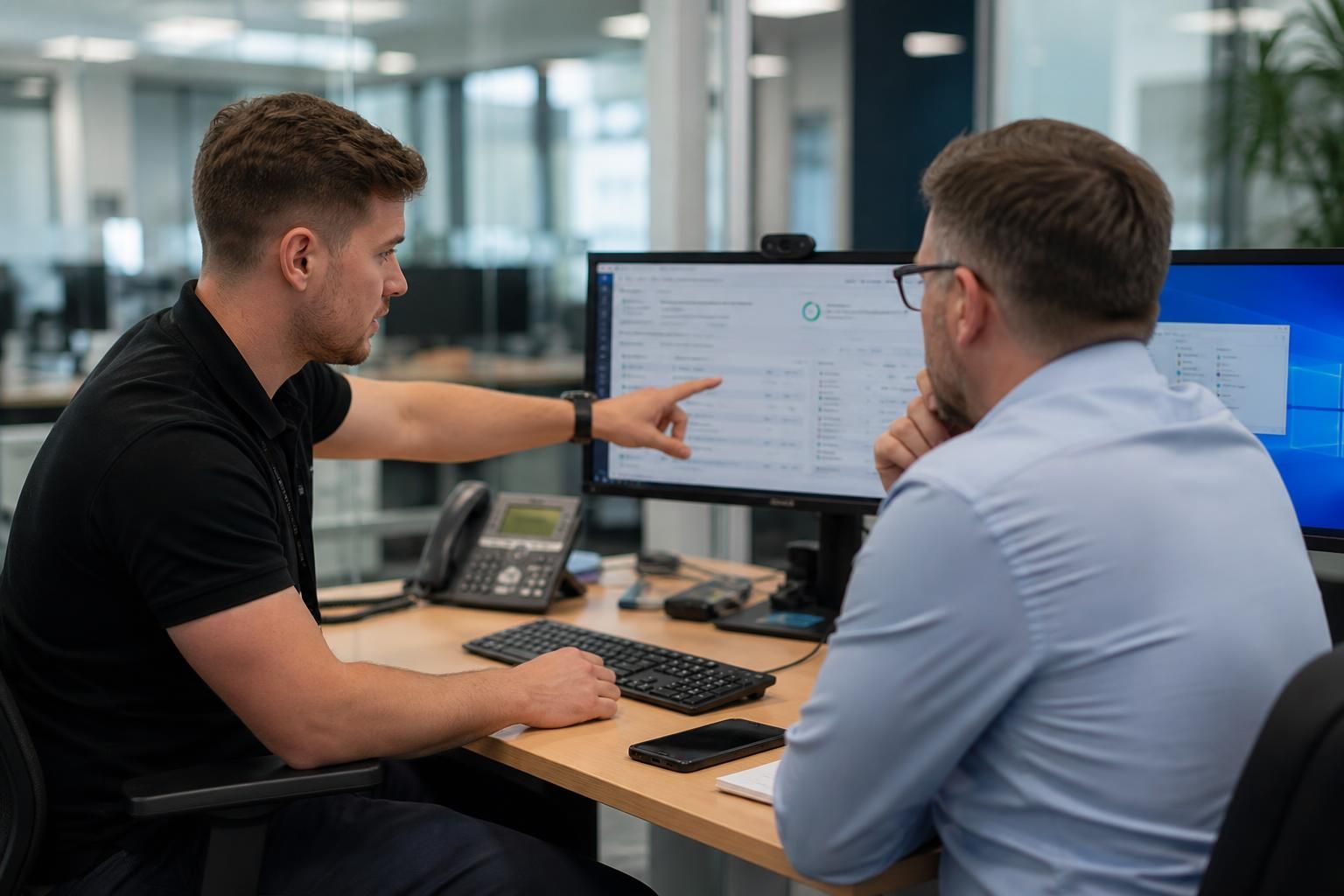
Local IT support is a people-led service as well as a technical function. It gives your staff a clear point of contact for understanding how systems are used, which issues interrupt work and where recurring problems need more considered attention.
Good support starts with listening. Rather than treating every request as an isolated fault, an experienced technician can consider the user, device, application and wider environment before recommending a practical next step. This helps separate a simple user query from a network, access or security concern.
For business leaders, that human connection makes technical decisions easier to understand. You can discuss priorities in plain language, review issues in context and build a more accurate picture of your organisation’s technology needs. The result is support that fits the way your teams actually work.
Specialist Expertise in Local IT Support
Local IT support requires more than resolving individual faults; it depends on understanding how devices, networks, cloud platforms and security controls interact. S2 Technology Group applies specialist knowledge across these areas to assess technical dependencies, identify weaknesses and recommend proportionate improvements for business environments.
Its expertise covers the practical requirements of growing organisations, including infrastructure upgrades, secure remote access, cyber security management and cloud adoption. This breadth enables technical decisions to be considered in relation to operational risk, compliance needs and future scalability rather than as isolated equipment or software choices.
For businesses around Stourbridge and neighbouring areas, S2 Technology Group provides an informed technology partner with the capability to support both day-to-day IT requirements and longer-term planning. The emphasis is on structured management, clear technical guidance and systems that remain aligned with the organisation’s changing needs.
Questions to Ask a Local IT Support Provider
How does a local IT support provider identify recurring problems?
Ask how incidents are classified, escalated and documented, who owns unresolved issues, how changes are authorised, and how performance is reviewed. Clear governance separates dependable support from ad hoc troubleshooting.
Can local IT support serve businesses with multiple locations?
Yes, local support can serve multi-site organisations when remote access, consistent security controls, documented configurations and coordinated onsite assistance connect each location to a manageable technology framework with clear ownership.
How should a local IT support provider protect privileged access?
A provider should enforce least-privilege permissions, multifactor authentication, separate administrator accounts, password controls, session logging and access reviews. Privileged activity should be monitored, documented and revoked promptly when personnel responsibilities change.
What happens to our IT documentation when we change local support providers?
Documentation should be transferred in an agreed, usable format, covering configurations, licences, suppliers, credentials held securely, network diagrams, asset records, outstanding risks and planned changes. Review completeness carefully before handover.
What should local IT support include in a service agreement?
A service agreement should define included services, responsibilities, support channels, escalation routes, security obligations, change control, documentation standards, exclusions, fees, review arrangements, termination requirements and measurable performance criteria in writing.
Contextual Expertise
S2 unites local technical understanding with strategic oversight, aligning daily support with security, cloud and infrastructure planning for growing businesses.
Businesses We Support

Professional Services
Professional services organisations depend on accessible files, dependable user devices and secure handling of client information. Local IT support can help maintain these core systems while giving staff practical guidance when technology affects their work.
Manufacturing Businesses
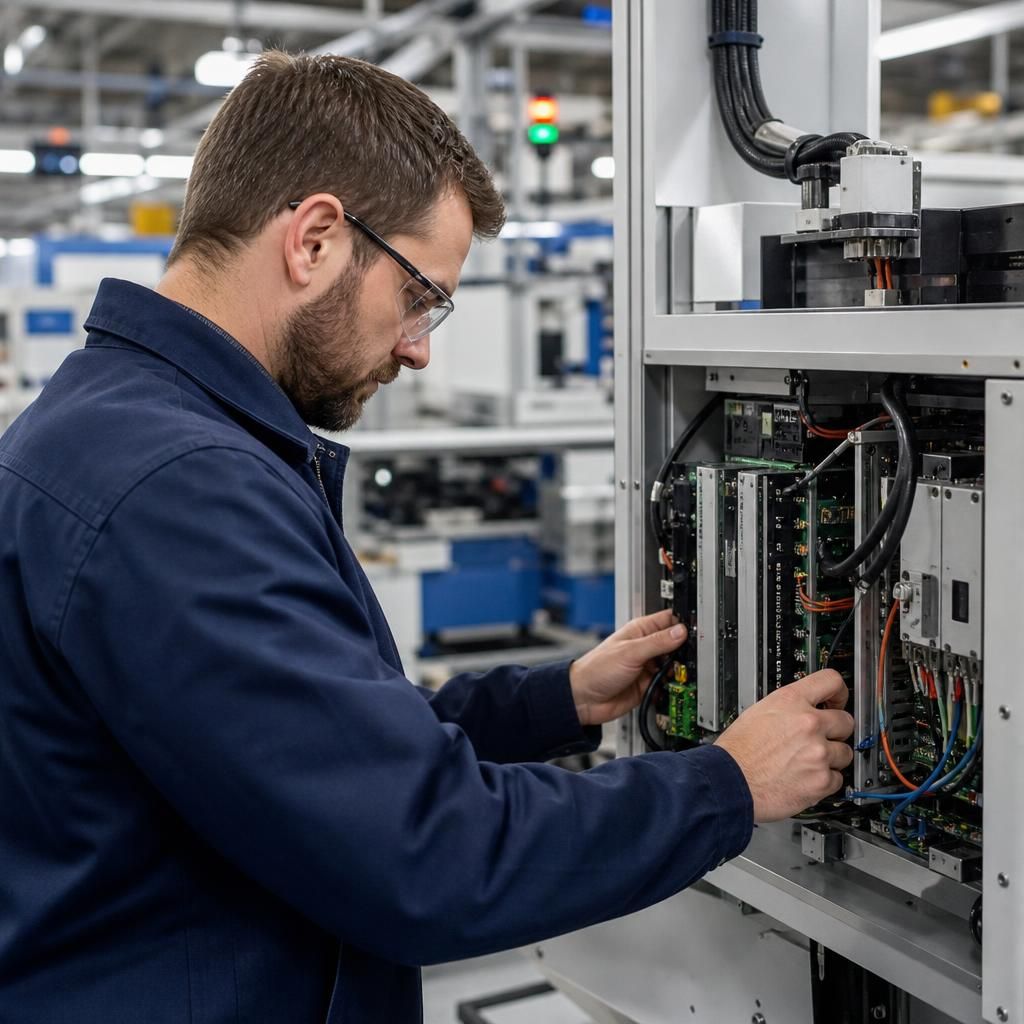
Manufacturers often rely on a combination of office technology, operational systems and dependable connectivity. IT support needs to consider how users, devices and infrastructure interact so that technical changes are planned with the wider working environment in mind.

Logistics Operations
Logistics businesses need technology that supports communication, information access and coordination across day-to-day operations. A structured local support service can help identify recurring device, connectivity and access issues before they affect wider workflows.
Growing and Multi-Site Organisations
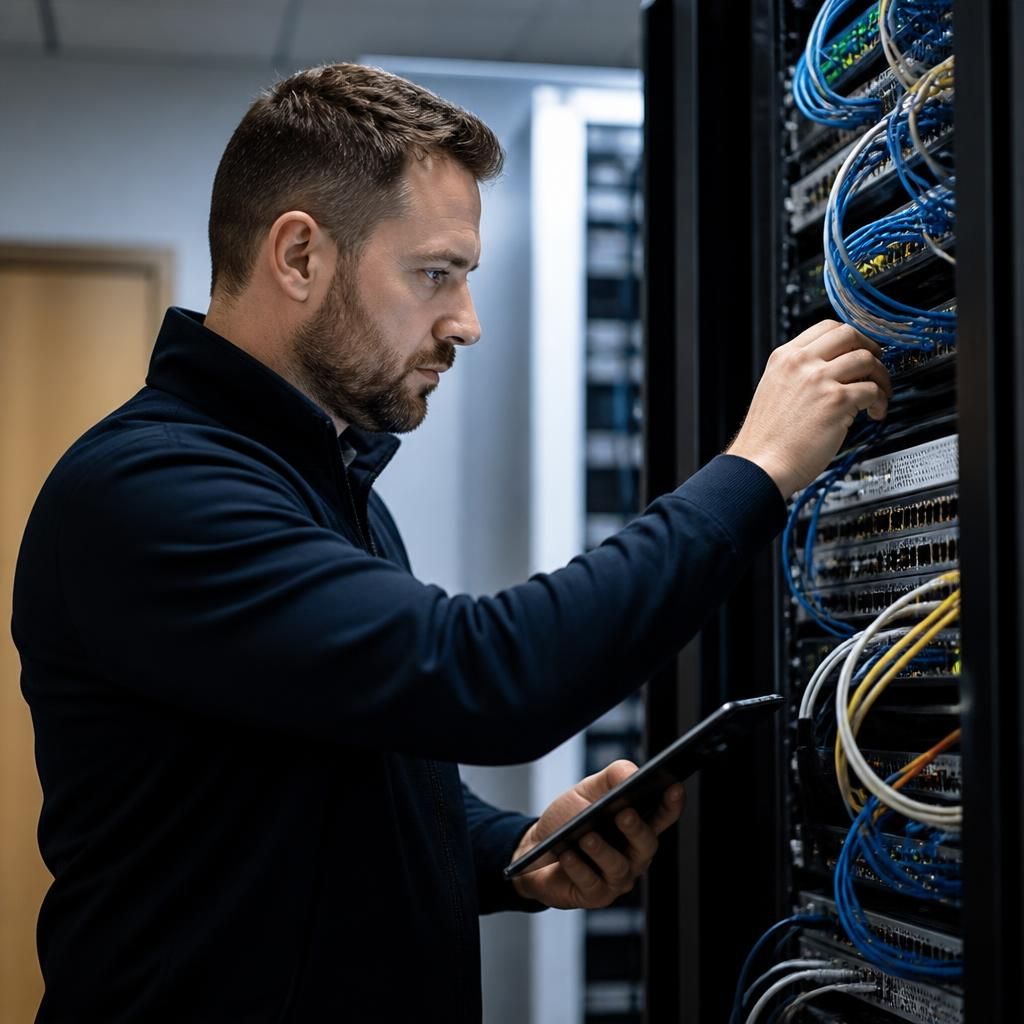
As an organisation grows or operates from more than one location, consistent user access, connectivity and security become more important. Local IT support can provide a clearer view of the wider environment and inform decisions about infrastructure, cloud systems and ongoing management.
Local IT Support for Different Business Needs
Local IT support can be structured around specific operational situations, from resolving recurring device and connectivity faults to preparing new starters, reviewing access permissions or coordinating infrastructure changes. The appropriate approach depends on your systems, users and priorities.
Workstation and Device Issues
Local support is useful when desktop computers, laptops, printers or peripherals develop faults that are difficult to diagnose remotely. A technician can assess the device in its working environment and identify whether the cause relates to hardware, configuration, applications or connectivity.
Growing Teams and New Users
Businesses adding staff may need a consistent process for preparing devices, setting up accounts and applying appropriate access permissions. Local IT support can help coordinate these changes so new users receive the technology and guidance required for their role.
Cloud and Remote Access
Businesses using cloud applications or remote access need dependable account configuration, permissions and device connectivity. Support can help investigate access problems, review how users connect to systems and align cloud usage with wider IT management.
Security and Access Reviews
A review of user accounts, devices and permissions can highlight avoidable risks in everyday IT. Local support can help document who has access to business systems, identify areas requiring attention and connect practical changes with broader cyber security planning.
Infrastructure Changes
Office moves, network upgrades and changes to servers or connectivity often affect several users and systems at once. Local technical expertise can support planning, coordination and onsite checks while keeping the change aligned with the organisation’s operational requirements.
Multi-Site Technology
Organisations operating across more than one location may need consistent support for devices, connectivity, user access and shared systems. A structured local IT service can help compare issues between sites and inform decisions about standardising or upgrading the underlying setup.
Questions About Local IT Support
Can local IT support work alongside an existing IT team?
Local IT support means professional assistance delivered with knowledge of nearby business conditions, enabling technicians to understand operational context, investigate faults and recommend suitable technical changes for that organisation.
Can local IT support help with staff onboarding?
Yes, local IT support can help onboard staff by preparing devices, creating accounts, assigning permissions, configuring applications and explaining access procedures, while applying security requirements consistently for each new user.
How does local IT support handle device security?
Device security involves applying updates, endpoint protection, encryption, strong authentication and access controls, while monitoring configuration and investigating unusual activity to reduce risks from malware, loss and unauthorised access effectively.
How can local IT support improve network troubleshooting?
Effective network troubleshooting starts by isolating the affected device, connection or service, then reviewing configurations, logs and recent changes before testing repairs and documenting recurring causes to guide future resolution.
What should businesses check before choosing a local IT support provider?
Businesses should assess technical expertise, security practices, service scope, communication methods, documentation, escalation arrangements and familiarity with their systems, ensuring the provider can support current operations and planned growth effectively.