

IT Outsourcing Companies for Stourbridge Businesses
IT outsourcing companies provide external expertise to manage selected or complete technology functions. S2 Technology Group combines IT support, cyber security, cloud solutions and connectivity with practical guidance for dependable, scalable business operations.
Business Outcomes of IT Outsourcing
The value of IT outsourcing is measured through practical operational outcomes: clearer accountability, fewer avoidable disruptions, stronger risk control, better use of internal resources and technology decisions aligned with business requirements and future growth.
Clearer IT accountability
Outsourcing assigns responsibility for defined technology functions to an external provider, giving the business a clearer point of ownership for support, infrastructure and ongoing IT management.
Fewer avoidable disruptions
Proactive monitoring, maintenance and structured support help identify technical issues before they develop into wider operational problems, reducing preventable interruptions to business activity.
Stronger security and risk control
Managed cyber security measures, access controls and regular review of the technology environment help reduce exposure to common threats and improve the organisation’s overall risk position.
More productive use of internal resources
Employees can focus on their core responsibilities instead of handling recurring technical issues, while internal managers retain access to specialist guidance when technology decisions arise.
Better technology planning
An external IT partner can assess current systems, explain practical options and align technology decisions with operational requirements, business priorities and planned growth.
Infrastructure that supports growth
Managed cloud solutions, connectivity and infrastructure upgrades provide a more structured foundation for changing workloads, additional users and evolving business requirements.
More consistent IT management
Documented processes, regular maintenance and coordinated support create a consistent approach to managing systems, devices, connectivity and security across the organisation.
People, Processes and Clear Communication
IT outsourcing is an arrangement in which an external provider manages agreed parts of an organisation’s technology operation. The scope may cover day-to-day technical tasks, specialist projects or a defined function that would otherwise sit with an internal team.
At S2 Technology Group, the human side of this arrangement matters. Conversations focus on listening to how people work, explaining technical choices in plain language and agreeing where external expertise is genuinely useful. This helps create a practical working relationship rather than a one-size-fits-all package.
That relationship gives staff contact for questions while keeping decisions grounded in the organisation’s needs. S2’s role is to provide informed support and advice that can develop as those needs change.

Specialist Expertise in IT Outsourcing
IT outsourcing is the structured delegation of defined technology responsibilities to an external specialist, while the organisation retains oversight of business priorities and risk. A capable provider must understand how support, security, cloud platforms, infrastructure and connectivity interact, rather than treating each requirement as a separate service.
S2 Technology Group applies this joined-up view when assessing an organisation’s technology environment. Its expertise covers operational support, cyber security controls, cloud adoption, infrastructure improvements and business connectivity, helping decision-makers distinguish between immediate technical issues and changes that require longer-term planning.
This breadth is particularly relevant where technology underpins professional services, manufacturing, logistics or multi-site operations. S2 provides informed input on service scope, technical dependencies and future requirements, giving businesses a basis for selecting an outsourcing model that is proportionate, accountable and capable of developing with the organisation.
Questions to Ask IT Outsourcing Companies
What happens when an IT outsourcing arrangement needs to end?
Clarify contract scope, ownership of configurations and documentation, exit assistance, subcontracting arrangements, review points and dispute processes. These details reveal whether the relationship remains manageable as requirements change over time.
How will an IT outsourcing company measure service performance?
Agree measures such as ticket trends, resolution quality, security incidents, system availability and user feedback. Review results against business priorities rather than relying on activity volume alone or isolated targets.
How does an IT outsourcing company control privileged access?
Use least-privilege permissions, named administrator accounts, multi-factor authentication, approval workflows and comprehensive audit logs. Review access regularly, remove unnecessary rights promptly, and separate administrative duties where practical for higher-risk changes.
How will an IT outsourcing company work with our existing IT team?
Define responsibilities, escalation routes, shared documentation and decision rights before work begins. A suitable provider complements internal specialists, handling agreed expertise without duplicating ownership or disrupting established technical processes unnecessarily.
How does an IT outsourcing company handle technology changes and upgrades?
Assess proposed changes through documented impact analysis, testing, security review, approval and rollback planning. This reduces disruption, clarifies dependencies and ensures upgrades support business requirements rather than technology trends alone.
Joined-Up Expertise
S2 Technology Group connects outsourced IT support, cyber security, cloud and connectivity planning through one accountable technology relationship for businesses.
Organisations We Support

Professional Services Organisations
Professional services firms often depend on secure access to documents, email, line-of-business applications and client information. Outsourced IT can coordinate user support, device management and security requirements while the organisation concentrates on its specialist work.

Manufacturing Businesses
Manufacturers may need technology support across office systems, production-related devices and operational sites. An outsourced IT arrangement can help define responsibilities, maintain consistent security controls and align infrastructure decisions with operational requirements.

Logistics Businesses
Logistics organisations rely on dependable connectivity and access to systems used for planning, coordination and record keeping. External IT expertise can support users and devices while helping ensure that technology requirements are considered across warehouse, office and operational environments.
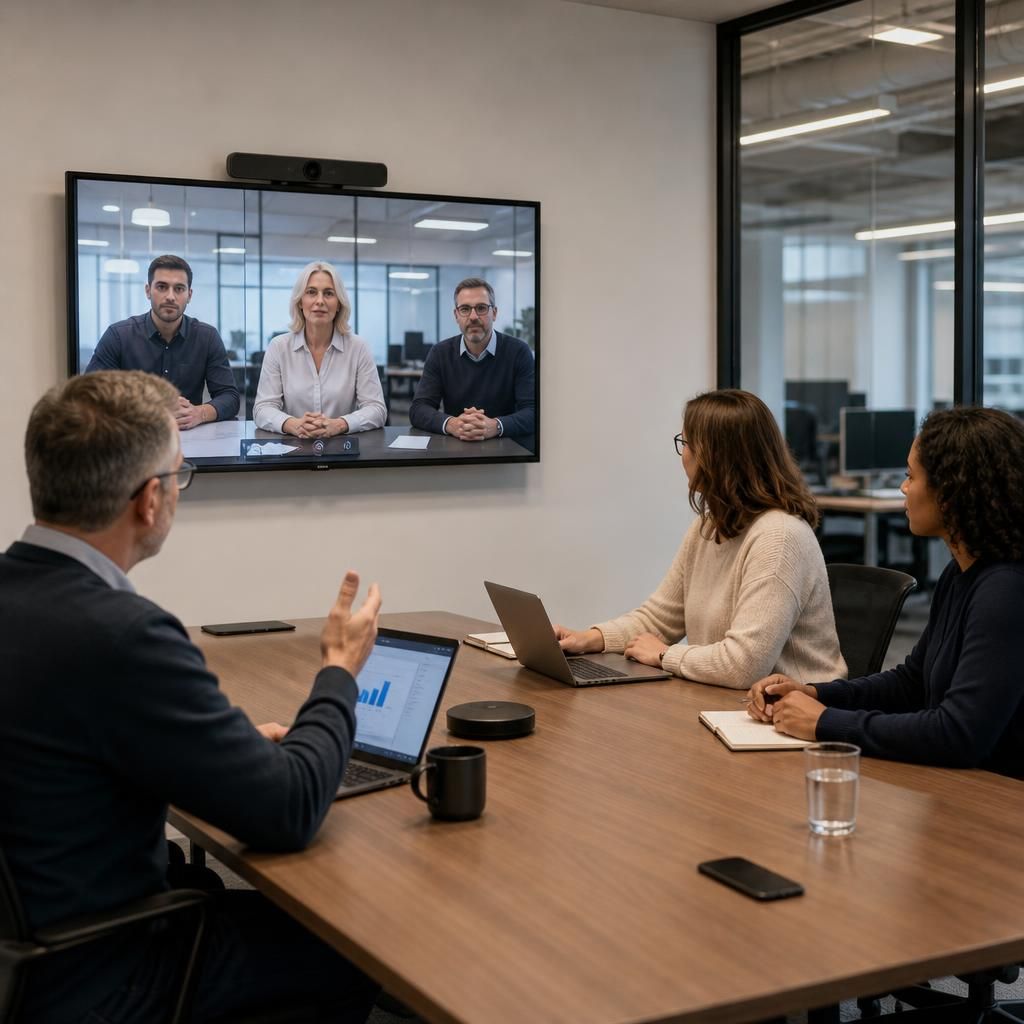
Multi-Site Organisations
Organisations operating across several locations need consistent approaches to access, connectivity, security and user support. Outsourced IT can provide a coordinated framework for managing technology across sites, with arrangements shaped around the organisation’s structure and growth plans.
IT Outsourcing for Different Business Needs
IT outsourcing can be structured around a specific operational gap rather than a complete technology handover. Common arrangements include supplementing an internal team, covering specialist requirements, coordinating several locations, or managing defined systems while business leaders retain overall control.
Additional IT Capacity
Outsourcing can extend an existing internal team when routine support, user administration or technical coordination begins to compete with strategic work. Responsibilities can be defined around the team’s current structure.
No Dedicated IT Team
Growing organisations without in-house IT staff can use an external provider for structured support, technology advice and management of agreed systems, without creating a complete internal function.
Cyber Security Requirements
Businesses that need clearer oversight of cyber security can outsource defined security responsibilities, including advice on protective controls, risk areas and practical improvements to the technology environment.
Cloud Technology Management
Cloud outsourcing is suited to organisations moving services away from local infrastructure or reviewing how cloud systems are managed. The provider can help coordinate the technical arrangements and ongoing administration.
Multi-Site Technology
Businesses operating across several offices or premises may outsource the coordination of users, systems and connectivity between locations, helping create a more consistent approach to technology management.
Planned Technology Changes
External IT expertise can support infrastructure upgrades, system changes and other defined projects where internal staff understand the business but need additional technical planning or implementation capability.
Questions About IT Outsourcing Companies
How is an IT outsourcing contract structured?
IT outsourcing companies manage agreed technology functions, such as support, security, cloud administration or infrastructure, while your organisation retains oversight of priorities, policies, business decisions and operational accountability.
How can a business assess whether IT outsourcing is suitable?
Assess internal workload, specialist skill gaps, security requirements, project demands and expected governance. Outsourcing is suitable when external expertise addresses defined needs more effectively than hiring or building capabilities internally.
How are data protection responsibilities handled by IT outsourcing companies?
Responsibilities for data protection are defined in the agreement, including access controls, breach reporting, retention and compliance obligations. The organisation remains accountable for duties, while the provider follows agreed processes.
What should businesses look for in an IT outsourcing company?
Look for clearly defined scope, relevant technical capability, transparent escalation routes, documented service processes, compatible communication practices, and governance arrangements that support informed decisions while preserving accountability and operational control.
What costs should businesses consider when choosing IT outsourcing companies?
Costs may include recurring management fees, project charges, onboarding, software licences, equipment, security measures and connectivity. Compare what each quotation includes, excludes and how additional work is authorised before proceeding.