
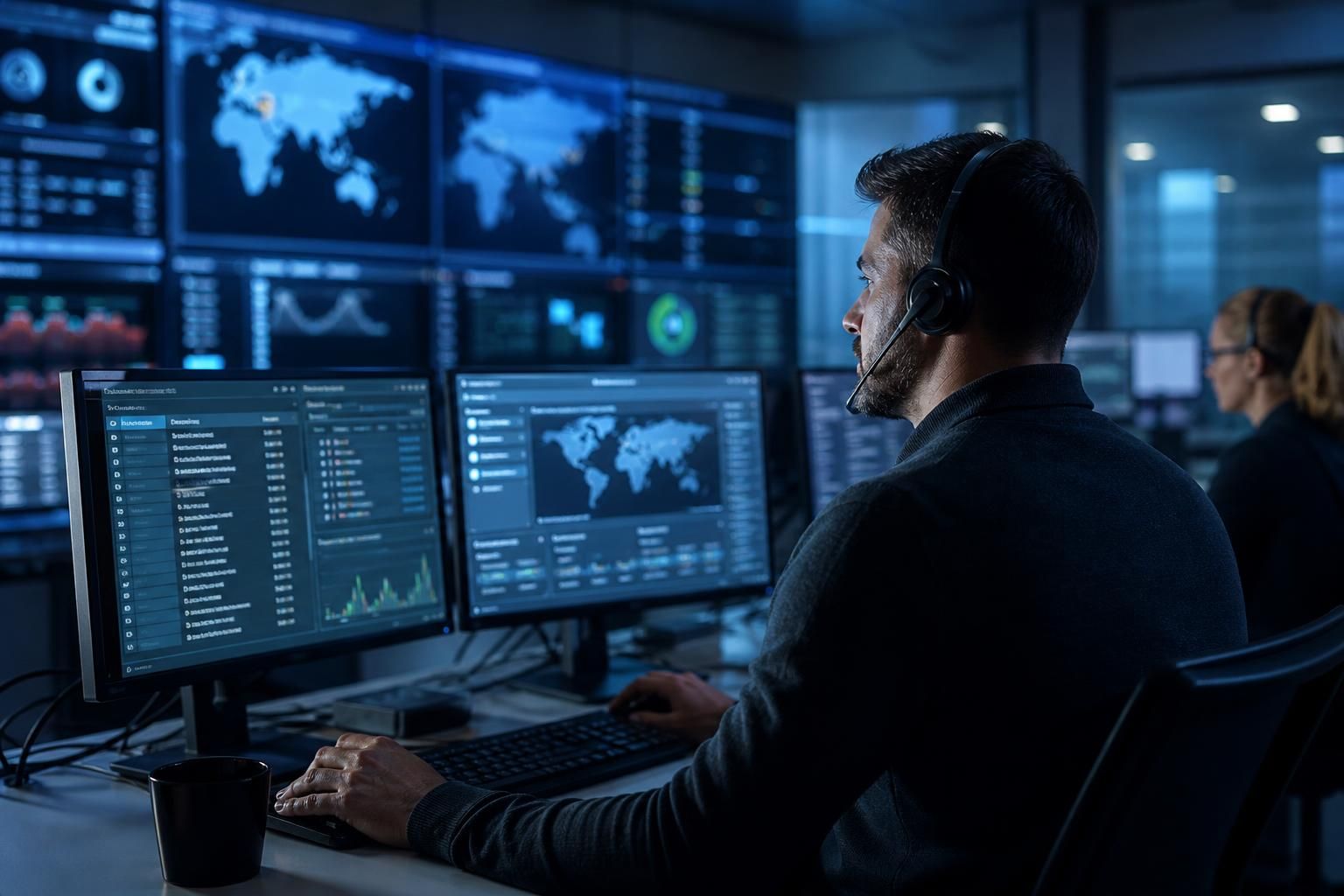
SIEM Security Monitoring
SIEM (Security Information and Event Management) brings together security logs from systems, applications and devices, then analyses them for suspicious patterns. S2 Technology Group provides managed SIEM security monitoring to support threat detection, investigation and informed incident response.
What SIEM Security Monitoring Can Help You Achieve
SIEM monitoring can provide a structured evidence base for understanding security activity across an organisation. Its practical value includes clearer accountability, more consistent review of controls, stronger audit preparation and better-informed decisions about where security resources are needed.
Centralised security visibility
Bring relevant logs from systems, applications and devices into a more consistent monitoring process, making security activity easier to review across the organisation.
Earlier identification of suspicious activity
Use event correlation and pattern analysis to highlight activity that may indicate a threat, such as unusual access, repeated failed logins or unexpected changes.
More focused security investigations
Give IT and security teams a structured starting point for investigating alerts, with related events and timestamps available for closer examination.
Clearer incident evidence
Retain a useful record of security events and investigation findings, helping teams establish what happened, which systems were involved and what actions were considered.
Better-informed incident response
Support proportionate response decisions by providing relevant context around alerts, affected assets and the sequence of activity.
Stronger audit preparation
Use organised monitoring records to demonstrate how security events are reviewed and how controls are being assessed during internal or external audits.
Improved security decision-making
Identify recurring patterns, control gaps and areas of higher risk so security resources can be directed towards the issues that need attention.
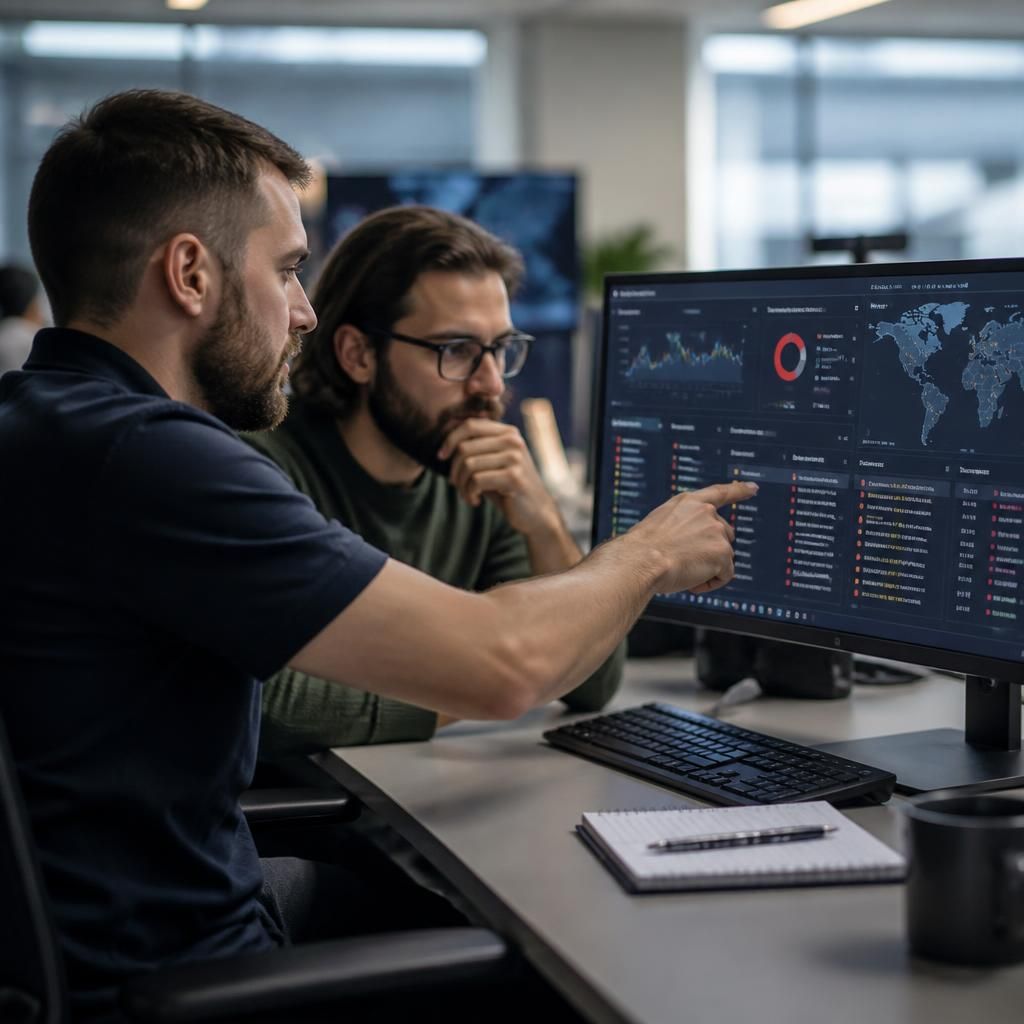
The People Behind SIEM Monitoring
SIEM security monitoring is the process of collecting and analysing security data from across an organisation so unusual activity can be assessed in context. It helps turn separate event records into a clearer view of potential threats, rather than treating every alert as an isolated technical issue.
The technology is only part of the service. S2 specialists review alert information, refine the understanding of what has happened and distinguish activity that needs investigation from events with a reasonable explanation. This human judgement helps keep monitoring relevant to the organisation’s systems and working practices.
Good monitoring also depends on clear communication. Findings should be explained in practical terms, with useful evidence and sensible next steps for the people responsible for IT and risk. S2’s approach keeps the focus on informed decisions, not alarmist reporting or unexplained lists of alerts.
Specialist Expertise in SIEM Security Monitoring
SIEM security monitoring depends on more than sending logs into a central platform. Effective implementation requires decisions about which data sources matter, how records are normalised, how long evidence is retained and which relationships between events warrant investigation. These choices determine whether the SIEM produces useful security insight or simply generates a high volume of disconnected alerts.
S2 Technology Group applies this technical perspective when shaping monitoring around an organisation’s infrastructure, users and risk profile. Log sources can include identity systems, endpoints, servers, cloud services, firewalls and business applications, allowing activity to be assessed across the environment rather than within isolated systems. Careful rule design and alert tuning help maintain meaningful detection coverage as the technology estate changes.
A mature SIEM service also supports security governance. Consistent records can assist with control reviews, forensic enquiries and the assessment of whether policies are operating as intended. By combining platform configuration with structured analysis and clear technical documentation, S2 provides a more dependable basis for cyber security decisions and ongoing improvement.
Questions to Ask About SIEM Security Monitoring
What happens when a SIEM alert requires investigation?
Evaluate how the service handles false positives, prioritises business-critical risks, documents decisions, and feeds lessons into detection improvements. These capabilities indicate operational maturity more reliably than platform features by themselves.
How does SIEM monitoring fit your existing security processes?
SIEM monitoring should connect with risk registers, access controls, incident procedures and reporting routes. Define ownership, escalation criteria and evidence requirements so findings support established governance without creating parallel workflows.
How does a SIEM protect the logs it collects?
Protection should include restricted administrative access, encryption where appropriate, tamper-evident storage, secure transmission and audit trails. Ask how retention rules, deletion processes and privileged access are controlled and reviewed.
How does SIEM monitoring scale as your technology estate grows?
Scalability depends on modular log collection, adaptable parsing and rules, storage planning, and prioritised data sources. Ask how new sites, cloud workloads and devices are incorporated without obscuring significant events.
What are the limitations of SIEM security monitoring?
SIEM monitoring cannot detect activity absent from its data sources, may misinterpret legitimate behaviour, and depends on accurate configuration. It supports, rather than replaces, endpoint controls, governance and human investigation.
Expert Oversight
S2 uniquely combines SIEM technology with human security expertise, translating complex alerts into practical, evidence-based decisions for growing business teams.
Organisations We Support

Professional Services
Professional services organisations often manage confidential client information across email, cloud applications and user devices. SIEM monitoring brings relevant security events together so unusual sign-ins, access changes and other activity can be reviewed in context.

Manufacturing Organisations
Manufacturing environments may connect office systems, production technology and remote access tools. Centralised security monitoring helps identify activity that crosses these environments and provides useful evidence for investigating potential risks.
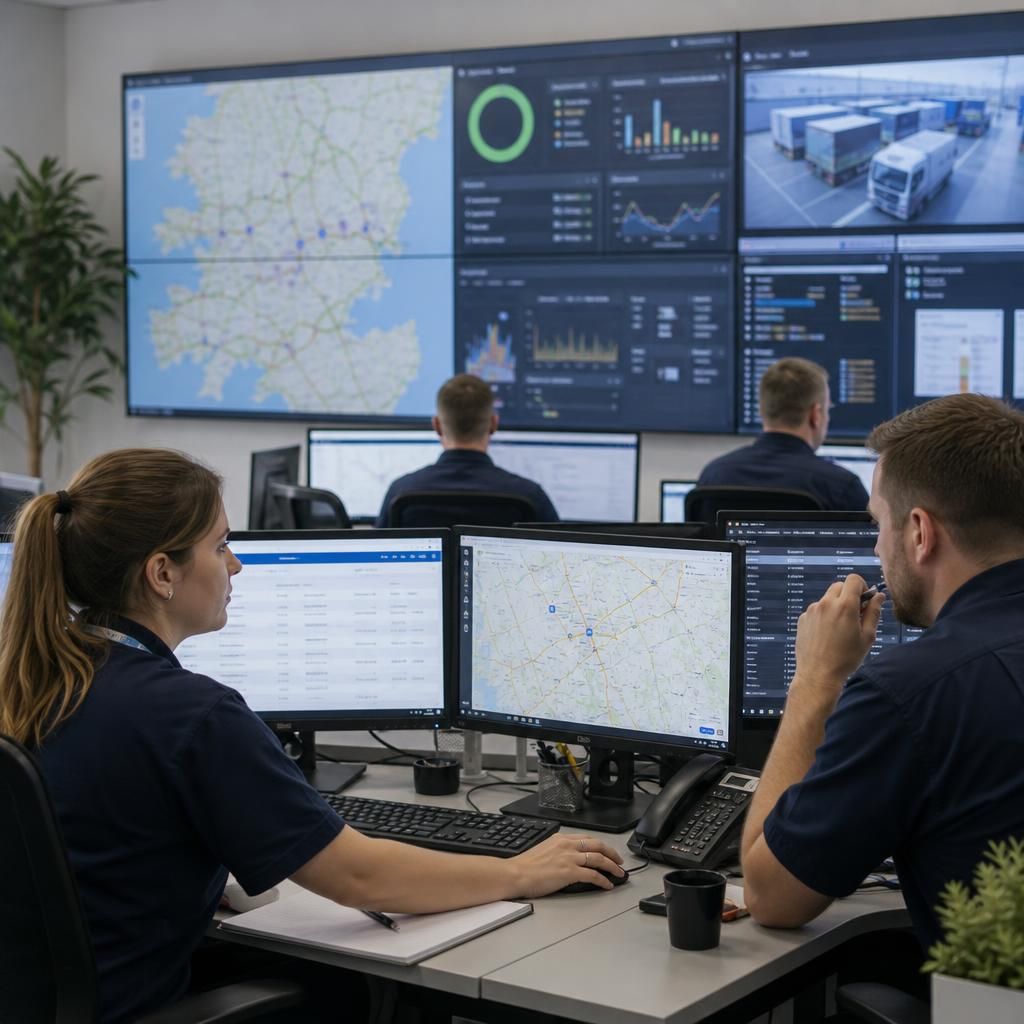
Logistics Businesses
Logistics organisations depend on connected systems for planning, communication and operational data. SIEM monitoring helps security teams assess activity across users, endpoints and business applications rather than reviewing each source separately.
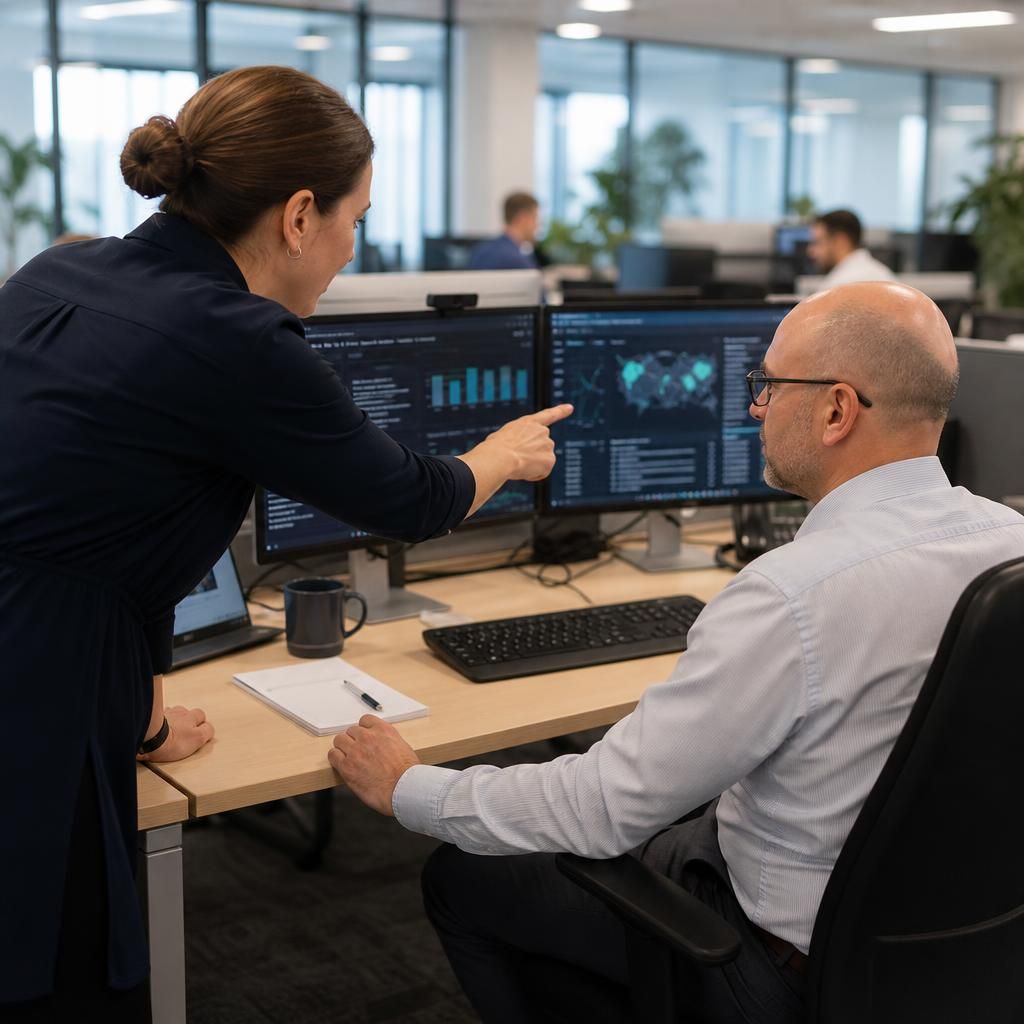
Multi-Site Businesses
Businesses operating across multiple locations need a consistent view of security events from different networks, devices and cloud services. SIEM monitoring supports structured comparison of activity and helps teams investigate events using information from across the organisation.
Where SIEM Security Monitoring Fits
SIEM security monitoring is relevant when an organisation needs consistent oversight of security events across changing systems, distributed users or limited internal resources. The following situations show where structured monitoring can support investigation, governance and technology risk decisions.
Multiple Systems And Devices
SIEM monitoring fits organisations where security data is spread across servers, endpoints, cloud services, network equipment and business applications. Bringing these records together makes it easier to assess related events across the wider environment.
Distributed Or Hybrid Teams
Remote users, branch locations and cloud-based work can create a broader set of access points to review. Centralised event analysis helps identify unusual sign-ins, access patterns or activity that may require further investigation.
Limited Internal Security Capacity
A growing organisation may have IT staff who manage infrastructure without dedicated security monitoring expertise. Managed SIEM support adds structured alert review and analysis without requiring a separate in-house security function.
Complex Alert Investigation
When individual alerts lack context, it can be difficult to judge their significance. SIEM analysis correlates relevant event data so suspicious activity can be examined alongside normal system and user behaviour.
Governance And Audit Evidence
Organisations with governance requirements may need a clearer record of security events, investigations and decisions. SIEM monitoring can support consistent review by retaining relevant log information and documenting how notable activity was assessed.
Changing Cloud Infrastructure
Cloud adoption, new applications and infrastructure changes can alter where security events are generated. SIEM monitoring provides a structured way to include changing technology environments in an organisation’s security oversight.
SIEM Security Monitoring FAQs
What data sources can SIEM security monitoring analyse?
SIEM monitoring collects security events from multiple sources, correlates them and highlights anomalies for review. It supports earlier investigation, clearer evidence gathering, compliance oversight and informed decisions about cyber risk.
What is the difference between SIEM and an intrusion detection system?
An intrusion detection system identifies suspicious activity on specific networks or devices. SIEM security monitoring aggregates those alerts with wider event data, adding correlation, context and investigation support during investigations.
Can SIEM security monitoring replace an internal security team?
No. SIEM security monitoring complements an internal team by supplying centralised event analysis and investigative context, while in-house staff retain responsibility for risk decisions, technical remediation, governance and organisational priorities.
Can SIEM security monitoring identify unusual user behaviour?
SIEM monitoring can flag unusual login locations, access times or privilege use by comparing activity with established user patterns. Analysts assess context before deciding whether the behaviour requires further investigation.
How long should SIEM security monitoring retain security logs?
Retention periods should reflect investigation needs, regulatory obligations, contractual requirements and available storage. Organisations should define access controls, preservation procedures and deletion rules, reviewing them as systems, risks and obligations change.
Discuss Your SIEM Security Monitoring Requirements
Contact S2 Technology Group to discuss your SIEM requirements and identify a monitoring approach aligned with your systems, security priorities and internal responsibilities. You can also ask how managed oversight could fit within your wider cyber security arrangements.