
Managed IT Services for Small Business
Managed IT services for small business combine ongoing technical support, infrastructure management and security oversight through an external provider. S2 Technology Group helps growing organisations maintain dependable systems, manage risk and align technology with business needs.
Business Outcomes of Managed IT Services
Managed IT services can produce practical business outcomes beyond resolving technical faults. The main benefits include more consistent system performance, stronger control over security risks, better visibility of technology needs and a clearer basis for planning future investment.
More dependable day-to-day operations
Ongoing infrastructure management helps maintain reliable systems and reduces the likelihood that avoidable technical issues disrupt routine business activities.
Stronger control over cyber security risks
Regular security oversight helps identify weaknesses, maintain appropriate protections and respond to the changing threats facing small businesses and growing organisations.
Access to specialist IT expertise
An external managed IT provider gives organisations access to technical knowledge and support without requiring them to build a complete in-house IT function.
Technology that can support growth
Managed IT services help align infrastructure with changing business requirements, making it easier to plan upgrades and maintain scalable systems as the organisation develops.
More secure remote access
Remote access solutions allow authorised users to work with business systems away from the main workplace while maintaining a stronger focus on secure access and controlled infrastructure.
The People Behind Your Managed IT Support
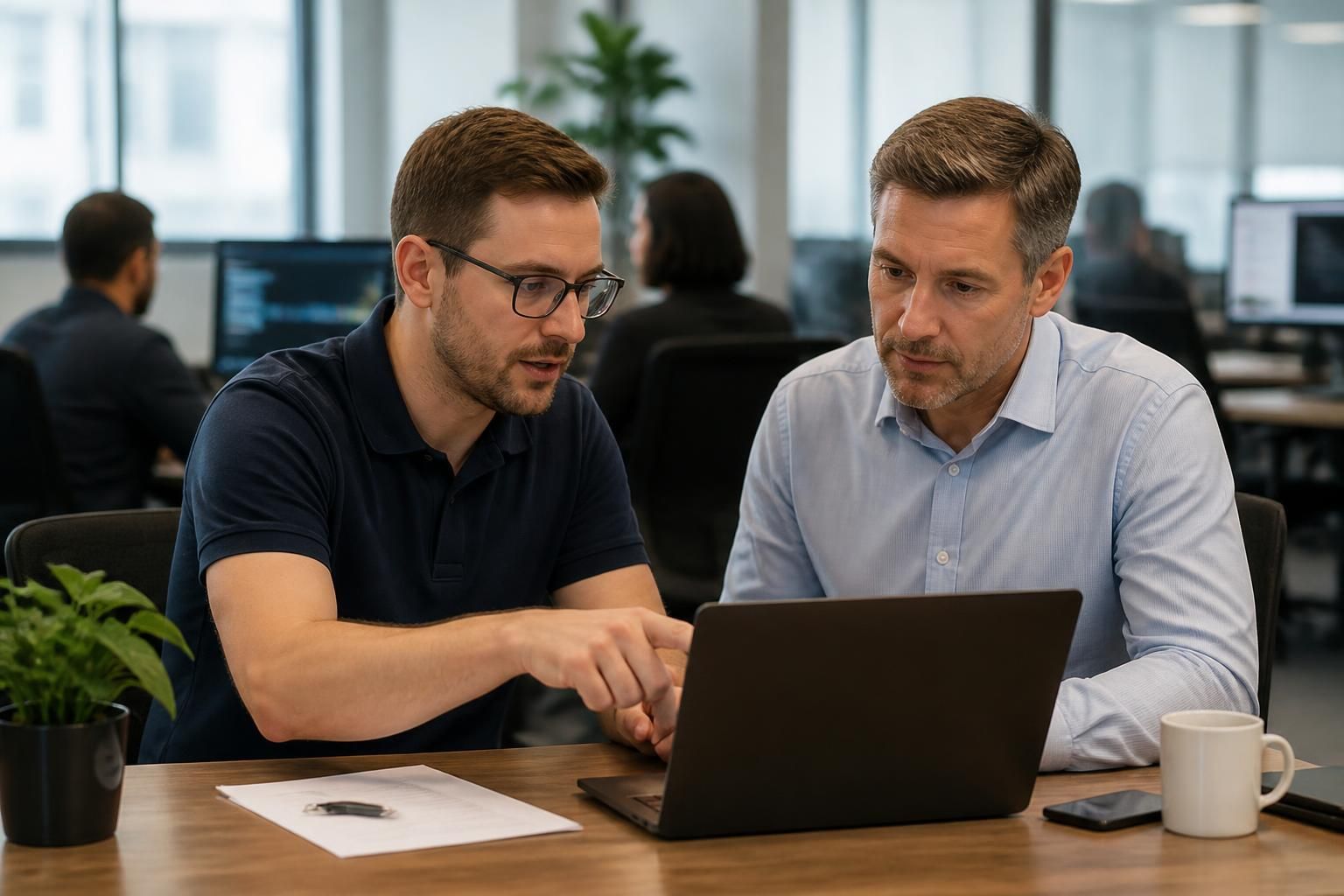
Managed IT services for small business work best when technical decisions are grounded in how people actually use systems. Alongside maintaining technology, an IT partner should understand business processes, identify practical constraints and explain the implications of each recommendation in clear language.
That human input helps turn a broad technology problem into a defined piece of work. S2 Technology Group can discuss the working practices behind an issue, distinguish immediate operational concerns from longer-term improvements and present options without relying on unnecessary jargon.
Good communication also includes accurate records: what has been changed, why it was changed and what should be reviewed next. This gives business owners and managers a clearer basis for decisions, while helping the IT team apply knowledge consistently across users, devices and locations.
Specialist Expertise in Small Business IT
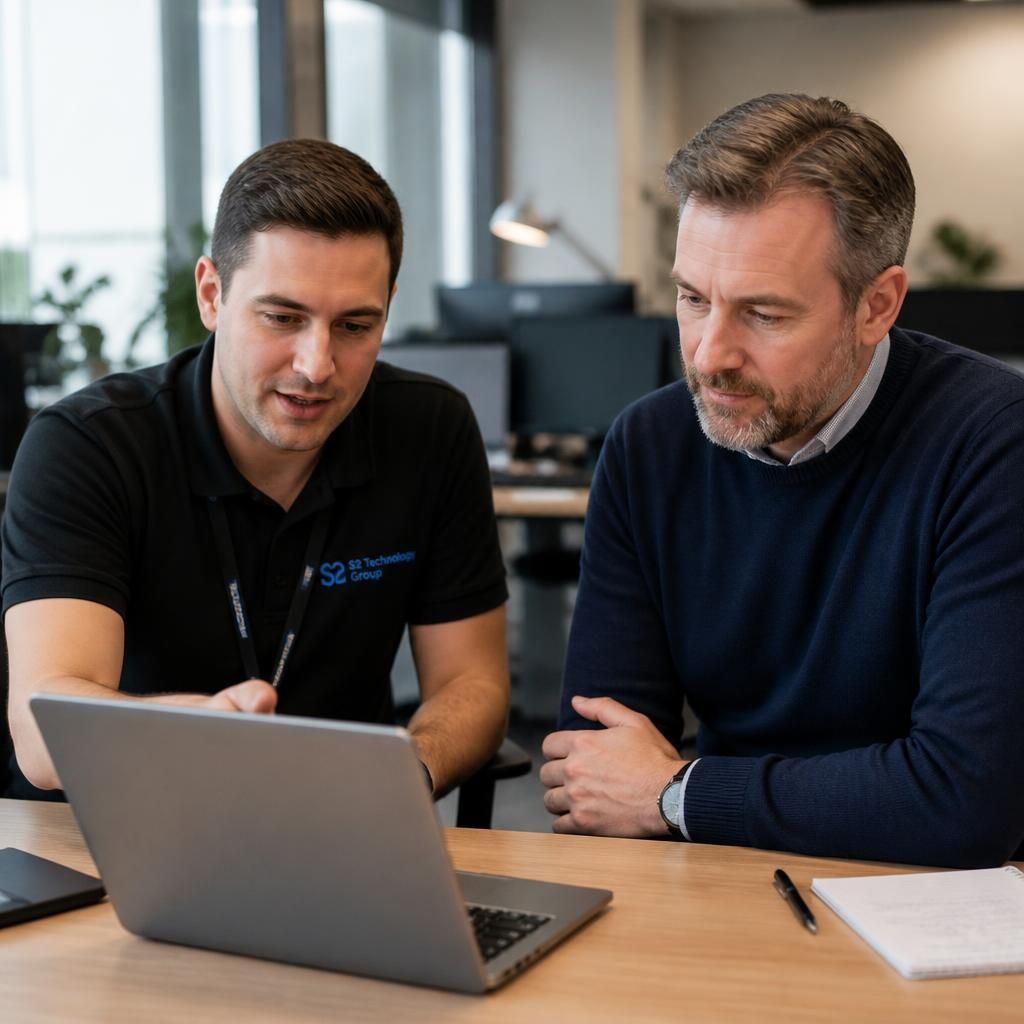
Managed IT services for small business require more than general technical assistance; they require structured oversight across users, devices, systems, security controls and suppliers. S2 Technology Group applies specialist knowledge to assess how these elements interact, identify dependencies and shape a support model that is appropriate to the organisation’s size, operating practices and risk profile.
That depth is particularly relevant where a business is developing its technology estate or managing several locations. Technical decisions may involve access permissions, cloud adoption, connectivity, device standards, backup arrangements and cyber security controls. Considering these areas together helps avoid isolated fixes that create new dependencies elsewhere and provides a more coherent basis for business IT management.
S2 Technology Group combines practical IT support with consultancy-led guidance, helping small and medium-sized organisations evaluate options before committing to change. This approach gives decision-makers a clearer understanding of technical trade-offs, operational impact and the level of management required to keep business systems secure, usable and suitable for continued growth.
Questions to Ask Before Choosing Managed IT Services
How is managed IT support aligned with your business’s risk profile?
Assess whether the provider documents responsibilities, escalation routes, security ownership, reporting, supplier coordination and review arrangements. Ask how changes are authorised, tested and recorded, and whether recommendations reflect business requirements.
What should a managed IT services contract include?
A suitable contract should define included services, exclusions, charges, term, renewal, termination, data protection, documentation ownership, change control, service levels, reporting, and arrangements for onboarding or transferring support between parties.
Can managed IT services scale with a small business’s changing requirements?
Yes, provided the service model permits modular changes. Review user numbers, locations, applications, device standards and security requirements periodically, ensuring additions remain documented, governed and technically compatible with existing systems.
When should a small business choose managed IT services over hiring in-house?
Choose managed IT services when internal staff cannot consistently cover support, security oversight and infrastructure management, or when specialist expertise is needed without building a larger dedicated in-house technical team.
How should a small business measure the value of managed IT services?
Measure value using agreed indicators such as support demand, recurring faults, unresolved risks, technology-related disruption, user productivity and progress against improvement priorities, reviewed alongside documented costs and management effort required.
Business-Focused IT
S2 Technology Group connects practical IT support, strategic guidance and security oversight into one coordinated service for growing small businesses.
Businesses We Support

Professional Services Organisations
Consultancies, accountancy practices and other professional firms depend on secure access to documents, email and specialist applications. Managed IT services can bring user support, device management and access controls together, helping the organisation maintain consistent working practices as its team develops.

Manufacturing Businesses
Manufacturers often combine office systems with operational technology, shared files and site-based equipment. A managed IT approach helps separate and protect critical systems, maintain suitable user access and plan infrastructure changes around the organisation’s production environment.

Logistics Operations
Logistics businesses rely on dependable communication, shared information and access to systems across offices, warehouses and mobile teams. IT support can help coordinate devices, connectivity and security controls so that operational technology remains manageable as working requirements change.

Multi-Site Businesses
Organisations with several premises need technology arrangements that remain consistent across locations. Managed IT services can support standardised devices, user permissions, connectivity and security policies while allowing each site to carry out its own day-to-day work.

Growing Small Businesses
As a small business expands, informal technology arrangements can become harder to manage. External IT support provides a structured way to review devices, accounts, infrastructure and security requirements, giving managers clearer information when prioritising future improvements.
IT Needs That Managed Services Can Address
Managed IT services can be structured around the situations small businesses commonly face, from limited internal expertise to changing operational demands. The right arrangement depends on your users, devices, locations, compliance considerations and plans for future growth.
No Dedicated IT Team
Managed IT services provide small businesses with access to structured technical support and professional guidance without the cost or administration of building a full in-house IT function. This can cover user assistance, device management, system documentation and ongoing technology planning.
Growing Organisations
As a business adds employees, devices or applications, informal technology arrangements can become difficult to manage. A managed service can provide a consistent approach to user access, equipment configuration and infrastructure planning as operational requirements change.
Multiple Locations
Businesses working from more than one office, site or premises need technology standards that can be applied consistently. Managed IT support can help coordinate devices, connectivity, user access and shared systems across different locations.
Security Risk Management
Small businesses remain responsible for protecting systems and information even when they have limited internal security expertise. Managed services can support security controls, software updates, access management and practical guidance on reducing avoidable risks.
Cloud-Based Working
Organisations using cloud applications need more than an initial setup. Ongoing management can include user permissions, device access, configuration checks and support for maintaining a consistent working environment across office and remote users.
Infrastructure Improvements
When systems become outdated or business requirements change, a managed IT provider can help define and coordinate improvement work. This may include network upgrades, device refreshes, software changes and migration planning, with recommendations linked to operational needs.
Managed IT Services for Small Business: Frequently Asked Questions
What do managed IT services for small businesses usually cover?
Typically, services include helpdesk assistance, device and software administration, backups, user access controls, patching, monitoring, and technology planning, with coverage adjusted to your organisation’s requirements, risk profile and internal capabilities.
How are managed IT services introduced into a small business?
Introduction usually starts with an assessment of users, devices, applications, connectivity and risks. The provider then proposes priorities, documents responsibilities, and schedules changes to minimise disruption during implementation and review.
What does managed IT support cost for a small business?
Managed IT support costs depend on user numbers, devices, locations, service scope, security requirements and contract structure. A tailored assessment identifies included services, optional work and ongoing management responsibilities upfront.
How do managed IT services support compliance for small businesses?
Managed IT services can support compliance by applying access controls consistently, maintaining records, supporting backup and security policies, and identifying documented evidence needed for internal reviews or applicable external requirements.
What should a small business assess before choosing a managed IT provider?
Assess the provider’s relevant experience, service scope, technical expertise, security practices, escalation arrangements, documentation standards, contract terms and ability to understand your organisation’s applications, users and operational priorities.